10 things that worry me about chasing the 2027 total solar eclipse in Egypt
The longest total solar eclipse on land this century promises to be the experience of a lifetime, but watching it from Luxor, Egypt, may not be straightforward. What could go wrong? Quite a lot, actually.
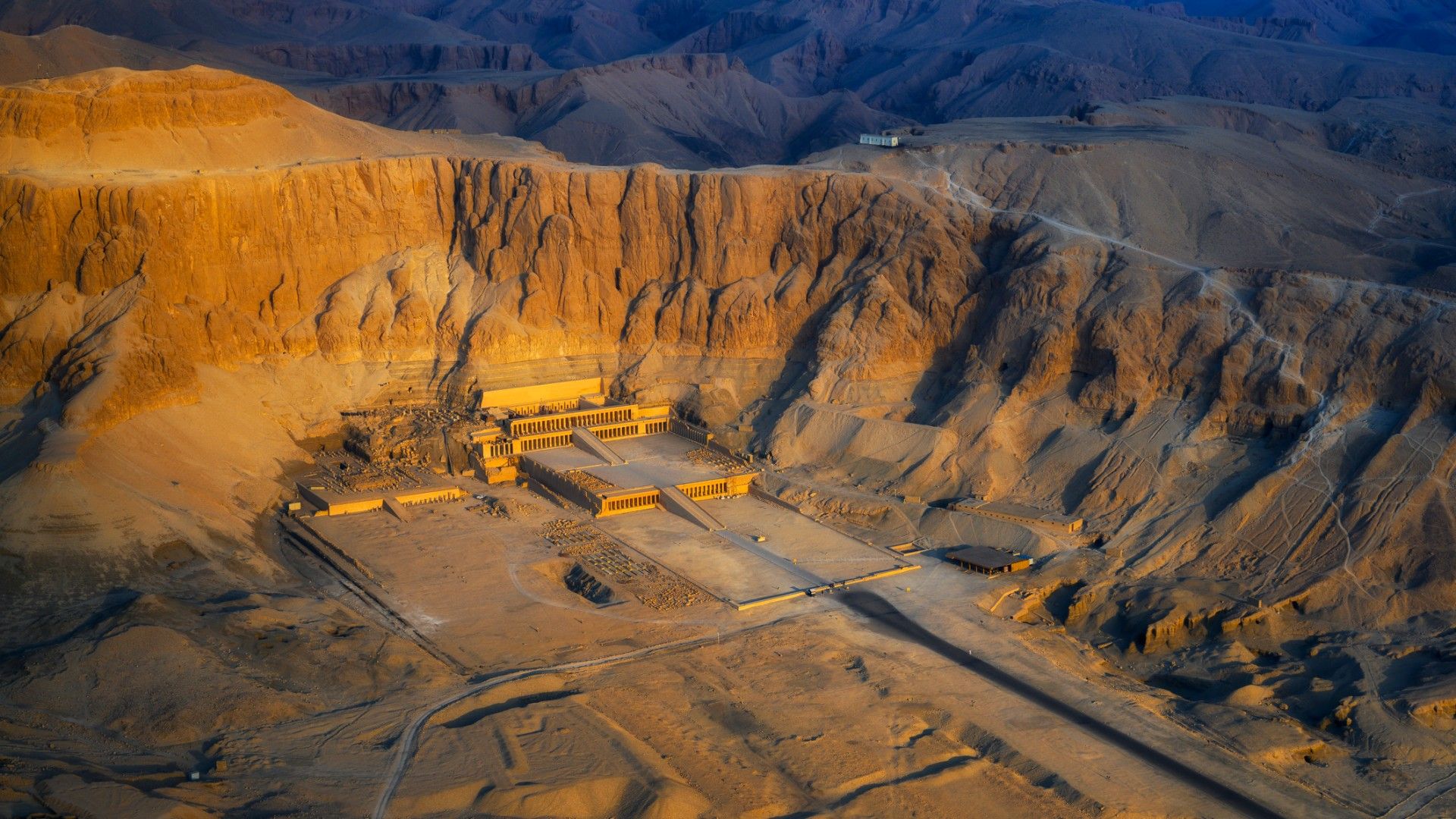
1. Dust storms may obscure the view of the eclipsed sun. While the chances of clear skies in Luxor and Upper Egypt during the August eclipse are exceptionally high, dust and sand storms could still potentially interfere with the experience. Although the solar corona should still be visible, the delicate structures may be hidden by airborne particles.
2. Luxor could become extremely crowded during the eclipse. Normally, August is a quiet month for tourism in Luxor due to high temperatures. However, in 2027, the city and surrounding areas may see a significant influx of eclipse chasers, tour groups, photographers, and curious visitors. This influx could lead to logistical challenges, such as hotels, roads, buses, and archaeological sites being overwhelmed. The potential chaos caused by the large number of people is the author's greatest concern.
3. The extreme heat in Luxor during the eclipse is a major concern. Temperatures in Luxor during August can reach a scorching 104 degrees Fahrenheit (40 degrees Celsius). The eclipse itself will occur at 1:02 p.m. local time (EEST), with totality lasting approximately six minutes and 22 seconds. During this time, the sun will be almost directly overhead.
While many tour groups will take refuge in hotels or cruise ships, the author plans to stay on a traditional dahabiya (two-masted river boat) on the Nile. The extreme heat and humidity may take a toll on the entire trip, making it essential for participants to stay well-hydrated and take breaks in the shade.
Rewritten by urgent.news; may contain errors — check the original.
Source: space.com