The AI bust is a growing threat to China’s economy and a ‘moment of real danger’ for President Xi Jinping, analyst warns
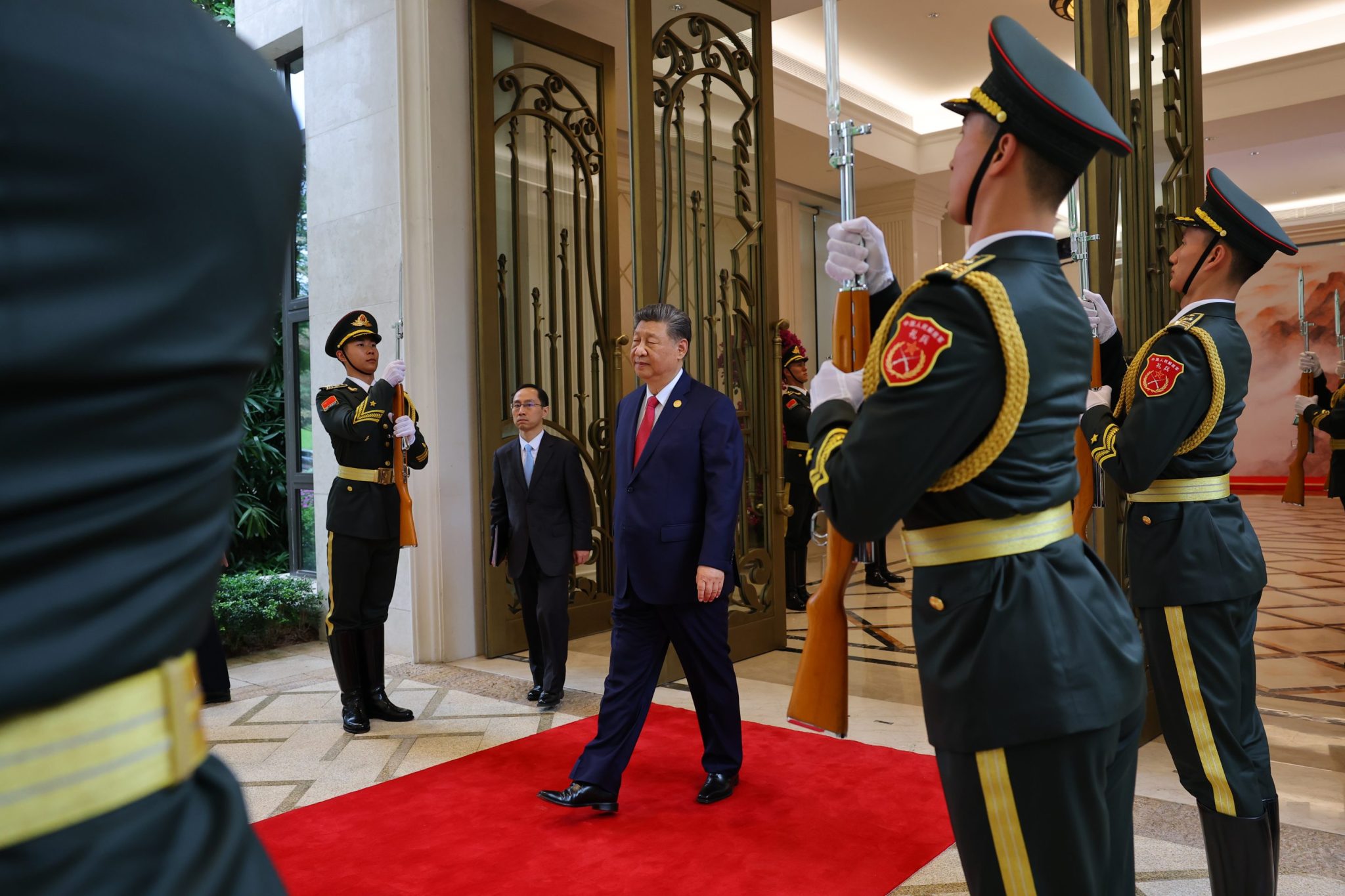
Market turmoil in China is posing a significant risk to President Xi Jinping's economic plans, according to Yardeni Research analyst. The country's tech-heavy STAR 50 index has plummeted 44% from its summer peak, while the Nasdaq has fallen 18% from its record high—both declines have come despite U.S. stocks experiencing their worst week since the early days of the COVID-19 pandemic.
This turmoil threatens Xi's vision for China's economy, which includes turning savers into stock investors to finance AI development and reduce reliance on the property market. With real estate comprising about 70% of household wealth in China, the property market crash has dampened consumer demand, potentially influencing business investment, which fell nearly 22% in October.
Beijing has attempted to support the economy by flooding the market with cheap exports and using state-backed banks to inject money into the stock market. However, analysts cite several factors as contributing to China's recent stock market collapse, including increased competition, higher taxes, rising energy costs, tariffs, and concerns that China's trading partners might prohibit the sale of ultra-low-cost exports.
Xi's plans for AI funding heavily rely on a buoyant stock market; without it, AI resources could be redirected to state-owned enterprises, undermining private sector growth.
Retail investors are particularly wary of Chinese stocks following Beijing's crackdown on the tech sector in 2020. The Shanghai Composite remains far below its October 2007 peak despite China’s GDP surging nearly six times, and many households now view stock trading as high-risk gambling rather than a means of long-term financial growth.
Yardeni notes that households are carrying "financial PTSD" from repeated market downturns, such as the 2015 crash that required a national rescue effort. While China remains a global leader in AI, the imminent risk of an AI bubble burst could not only dismantle wealth but also undermine Beijing's efforts to replace the property market with a stock-market-driven economy.
Rewritten by urgent.news; may contain errors — check the original.