“It is a rollercoaster ride”: Angie Jones of the Agentic AI Foundation on keeping up with AI agents
Only a few years ago, it would have been impossible to picture this scenario: A lead developer once gave 10 The post “It is a rollercoaster ride”: Angie Jones of the Agentic AI Foundation on keeping up with AI agents appeared first on The New Stack .
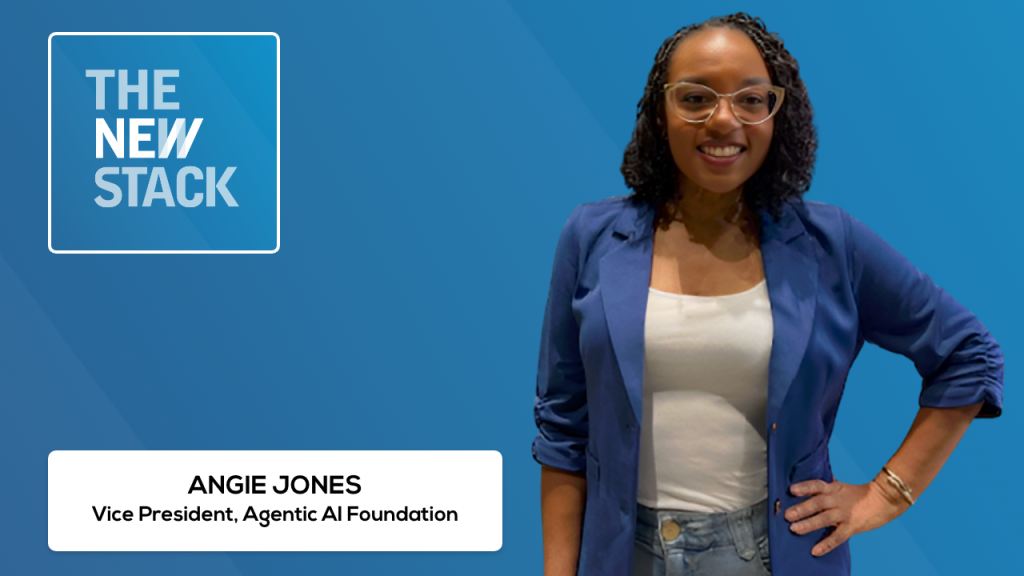
In the rapidly evolving world of AI agents, Angie Jones, the lead developer and now vice president of the Agentic AI Foundation, acknowledges the challenging yet exciting journey. At Block, a team of new hires once delivered solutions on their first day, given access to AI agents and a codebase they had never seen before. This experiment raises the question: what might experienced engineers learn from these junior developers?
Jones describes the scenario as a "rollercoaster ride." Her expertise lies in leading AI enablement at Block and maintaining the open-source coding agent Goose. She emphasizes the difference between learning to work with an agent and building one others can rely on. To facilitate this learning process, Jones uses the Model Context Protocol (MCP) to connect agents to applications.
This enables developers to build interfaces around the tools as they evolve, ensuring they can depend on the agents. However, the engineering required to build agents is significant. Developers must understand the loop that allows agents to choose actions, examine results, and decide on the next steps. Additionally, they need to determine constraints for the loop and the access agents should have to customer data.
To address these challenges, the Agentic AI Foundation offers MCP Associate certification, allowing developers to demonstrate their understanding of the protocol. At the same time, the foundation's working groups tackle issues that arise when agents are used in everyday scenarios, such as identity, reliability, security, and governance.
At Block, Jones initiated the adoption process by creating an easier development environment for agents. By integrating this work into the system, developers can benefit from the group's knowledge even if they have missed recent updates on prompting techniques. The project's maintainer perspective, represented by Goose, demonstrates how coding agents have facilitated easier proposal of fixes or features.
Developers can now submit pull requests, which still require review time. To streamline the process, the project has shifted to an issue-first approach. Contributors and maintainers can agree on the problem and design before generating a patch. Goose's maintainers utilize agents to triage issues, review incoming code, and run security scans.
The tools that make it easy to open pull requests also help maintainers manage the queue, while issue discussions provide contributors an opportunity to explain why a change should be included in the project. Jones observes a parallel exchange between junior and senior engineers at work. A new hire may excel at getting an agent up and running quickly, while an experienced reviewer can guide them in identifying which changes are worth shipping.
The full interview, including Jones' account of her first day at Block, Goose's experiences with AI-assisted contributions, and the future of building agents, can be watched on The New Stack's YouTube channel.
Rewritten by urgent.news; may contain errors — check the original.