On this day in space! Nov. 21, 1676: Danish astronomer discovers speed of light — by accident — while observing Jupiter's moon Io
On Nov. 21, 1676, the Danish astronomer Ole Rømer discovered the speed of lightwhile observing Jupiter and its moon volcanic moon Io. Here's why it mattered.
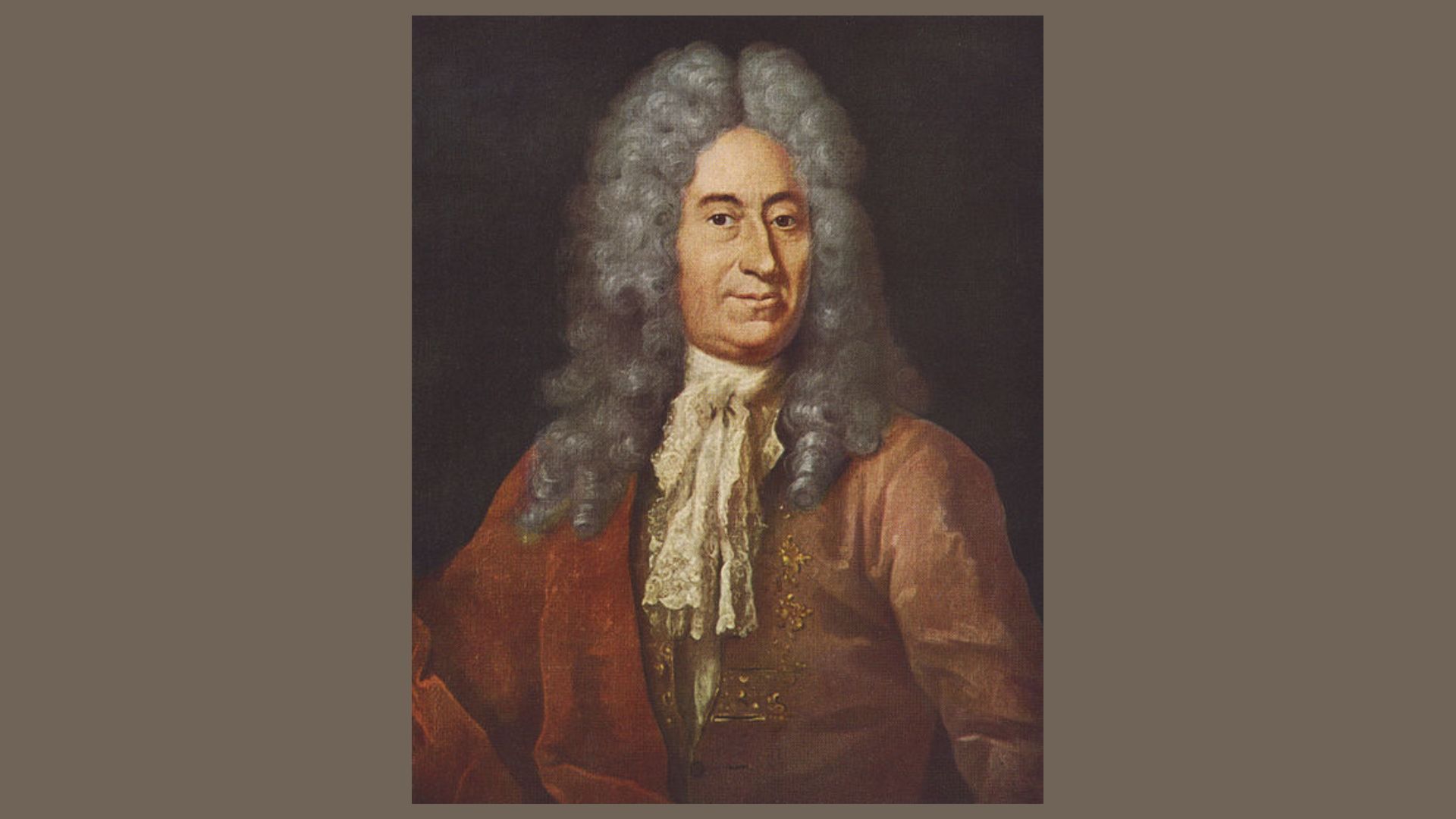
On November 21, 1676, Danish astronomer Ole Rømer made a groundbreaking discovery that would forever change our understanding of the universe. Before Rømer's findings, scientists believed that light traveled instantaneously, a notion that Rømer quickly disproved. The Danish astronomer was studying Jupiter's moon Io, attempting to determine the time it took for the moon to orbit Jupiter - essentially a cosmic clock.
Rømer meticulously observed Io's eclipses, watching them disappear behind Jupiter and then reappear on the other side, repeating this process over and over every 42 hours for numerous years.
However, Rømer was taken aback when he noticed that the timing of these eclipses was not consistent. When Earth was closest to Jupiter, the eclipses occurred 11 minutes earlier than expected. Conversely, when the two planets were at their farthest distance from each other, the eclipses were delayed by 11 minutes. Rømer recognized the pattern and made an accurate prediction for Io's eclipse on November 9, 1676.
This led to his revelation on November 21, which he presented to the Royal Academy of Sciences. Rømer proposed that a finite speed of light was responsible for these discrepancies.
Rewritten by urgent.news; may contain errors — check the original.