Inside the race to put computers in the human brain
What will we surrender when companies become intermediaries between our minds and machines?
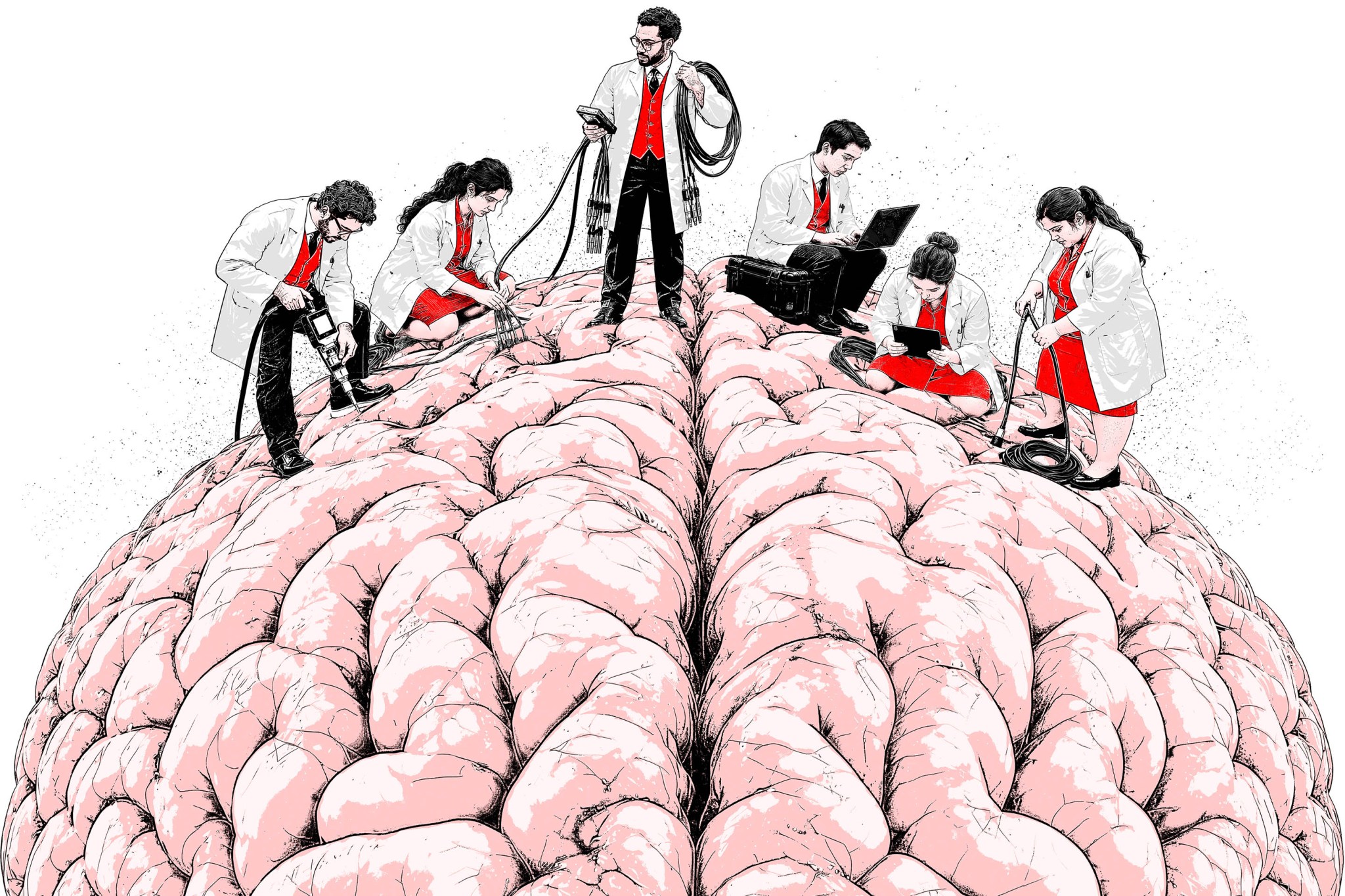
Inside the race to put computers in the human brain, Silicon Valley giant Elon Musk's Neuralink is making headlines. The company's N1 implant, which costs around $50,000, has been tested on 26 people with severe disabilities. These patients can now use their phones and tablets without lifting a finger, sending data from their brain to their devices via 64 electrodes thinner than a human hair.
Neuralink's ambitious goal is to merge human minds with machines, a vision that some experts warn could come with significant privacy implications.
The FDA has yet to approve BCIs for public sale, but companies like Paradromics and Precision Neuroscience are also racing to get their devices on the market. Precision Neuroscience aims to help patients with paralysis, while Paradromics focuses on restoring speech. Chad Bouton, CEO of Neuvotion, predicts that FDA clearance could come within the next three to four years.
However, Synchron, another BCI company, might be the first to market with its less invasive Stentrode device. Synchron has implanted its device in 15 people since 2021, compared to Neuralink's 26 patients.
Neuralink's rapid progress has been fueled by its substantial $1.3 billion funding, but it still faces stiff competition. As AI continues to advance, BCIs may become even more powerful, potentially enabling users to control robots or AI agents with their thoughts. This could pave the way for widespread employee surveillance and shape the future of human-machine interaction.
Rewritten by urgent.news; may contain errors — check the original.