GCC railway project crosses the halfway mark, eyes 2030 launch
The ambitious railway network linking all six Gulf Cooperation Council (GCC) countries is now 55.92% complete, bringing the region closer to a landmark transport transformation that promises seamless ...
The ambitious railway network connecting all six Gulf Cooperation Council (GCC) countries has reached the 55.92% completion milestone, signaling progress toward a major transportation transformation. Spanning approximately 1,768 kilometers, the multi-billion project is on track to launch by the end of 2030, according to the latest data from 2026.
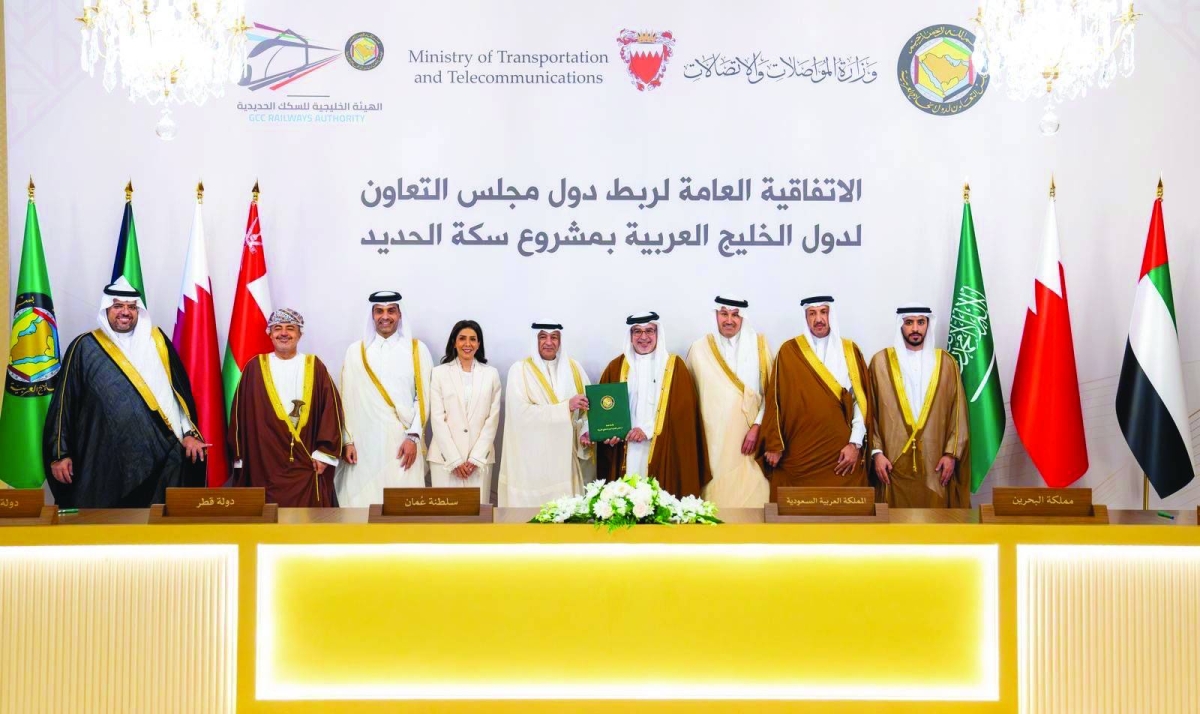
The project gained momentum on November 8, when the six GCC states signed a landmark agreement in Manama, Bahrain, establishing a unified framework for completion and ensuring smooth operations across national borders. This agreement, signed during the 30th meeting of the GCC Committee of Transport Ministers, defines each member state's responsibilities, sets implementation timelines, and harmonizes technical specifications, operating procedures, and safety standards.
The agreement marks a shift from planning to the practical integration of national railway networks into a single Gulf transport system. Upon completion, the railway is expected to transform passenger and freight movement across the Arabian Peninsula, lower logistics costs, boost trade and tourism, and enhance the region's standing as a strategic transport and distribution hub.
For Qatar, the project promises expanded market access, strengthened supply chains, and new opportunities for its ports and manufacturing sectors. The railway concept was first approved in 2009 by the GCC Supreme Council, and in December 2021, the GCC Railway Authority was formed to oversee implementation. Beyond economic benefits, experts view the railway as a strategic tool for enhancing Gulf solidarity, improving food security, and reducing vulnerability to international supply chain disruptions.
Dr Nafja Sabbah al-Kuwari, a political science professor at Qatar University, views the latest agreement as a watershed moment in Gulf integration, shifting from coordination to tangible economic interdependence. She highlights the project's role in diversifying transport routes and reducing dependence on conventional freight networks, especially during crises or maritime trade disruptions.
Dr Ahmed Ghaith al-Kuwari, a legal expert, notes that the agreement tests the GCC's ability to translate the concept of a common Gulf market into practical arrangements. Success will depend on binding regulations covering cargo transit, liability, dispute resolution, and operational standards.
Rewritten by urgent.news; may contain errors — check the original.
Source: gulf-times.com