Galamsey could fuel violent extremism in Ghana – Security expert warns
A security expert has warned that illegal mining, commonly known as galamsey, could create conditions that fuel violent extremism in Ghana if the growing insecurity and conflicts in mining communities are not urgently addressed. Mutaru Mumuni Muqthar, Executive Director of the West Africa Centre for Counter-Extremism, says illegal mining areas are increasingly becoming vulnerable to […]
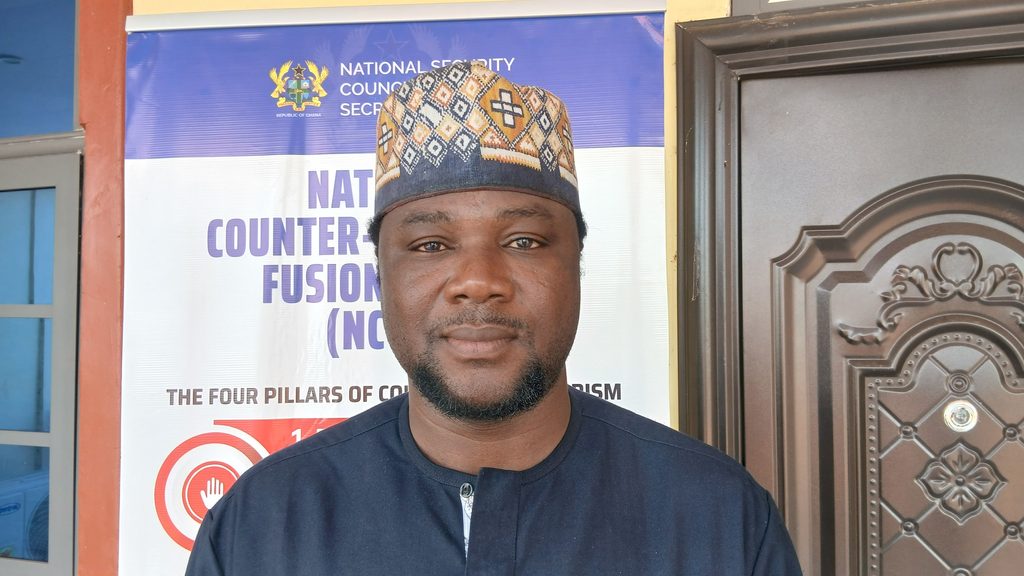
A security expert has cautioned that illegal mining, known as galamsey, could potentially contribute to the rise of violent extremism in Ghana if the ongoing insecurity and conflicts in mining communities are not promptly addressed. Mutaru Mumuni Muqthar, the Executive Director of the West Africa Centre for Counter-Extremism, highlighted that illegal mining zones have become increasingly prone to violence due to factors such as the widespread availability of firearms, disagreements over mining concessions, and political influences.
Muqthar emphasized that the situation poses a significant security concern that demands immediate attention, warning that it could become more complicated in the next decade if not resolved. Speaking during a three-day regional consultation in Goaso, Ahafo Region, organized by the National Security Council Secretariat, Muqthar noted that although Ghana has not experienced a terrorist attack within its borders, the country is not entirely immune, especially given the spread of extremist activities from neighboring countries like Burkina Faso and Mali.
He identified youth unemployment, unresolved conflicts, poverty, inequality, and marginalization as conditions that could render vulnerable individuals susceptible to extremist recruitment. Moreover, conflicts in mining communities, chieftaincy disputes, land disagreements, and ethnic or religious tensions must be tackled as part of efforts to prevent violent extremism, Muqthar stressed. He pointed out that terrorism typically arises from a combination of social, economic, and governance issues, rather than a single cause.
The expert called for stronger government intervention, enhanced local governance, and sustained efforts to resolve disputes before they escalate. He also advocated for increased investment in youth employment and the provision of essential infrastructure such as roads, schools, healthcare, and clean water, particularly in underserved areas.
Muqthar urged Ghanaians to remain vigilant, report any suspicious activities to the relevant authorities, and cautioned against individuals exploiting promises of quick wealth to lure young people into dangerous activities or extremist groups.
Muqthar stressed the importance of national unity, cautioning against ethnic and religious divisions, to which extremist groups often resort to advance their agendas. He assured the public that Ghana, with its history of relative peace and stability, remains a strong asset in preventing violent extremism. Muqthar mentioned that over the past twelve years, his organization had trained more than 12,200 security personnel and community leaders in preventing and countering violent extremism, conflict prevention, and peacebuilding.
The organization has also helped prevent 23 young individuals from joining extremist groups and trained 360 border security officers in northern Ghana over the past two years.
He urged the government to strengthen the implementation of the National Framework for Preventing and Countering Violent Extremism and Terrorism and to intensify public education through initiatives like the See Something, Say Something campaign. Professor Yunus Dumbe, an academic from the Department of Religion and Human Development at Kwame Nkrumah University of Science and Technology (KNUST), also addressed the GBCNEWS.
He acknowledged Ghana's democratic stability as a significant contributor to its peace but warned that internal governance challenges should not be ignored. Dumbe highlighted issues such as political corruption, youth unemployment, and poverty that could erode public confidence in state institutions and create frustration among young people.
He called for stronger public education on the threat of violent extremism and urged citizens to report suspicious activities to the authorities rather than taking matters into their own hands. Dumbe emphasized the need for collaboration between traditional authorities, security agencies, religious leaders, and youth groups to identify and address threats within their communities.
He also recommended that government provide border security personnel with the necessary resources and motivation to enhance their performance. The regional consultations, which are expected to include engagements in the Western North, Ahafo, Bono East, Ashanti, and Greater Accra regions in 2026, following previous meetings in the Oti and North East regions in 2025, aim to strengthen the country’s response to violent extremism and terrorism.
Rewritten by urgent.news; may contain errors — check the original.
Source: gbcghanaonline.com