Net zero is an egregiously bad deal for the UK
As diplomats gather for Cop31, Bjorn Lomborg runs the numbers on net zero – and finds it to be an egregiously bad buy.
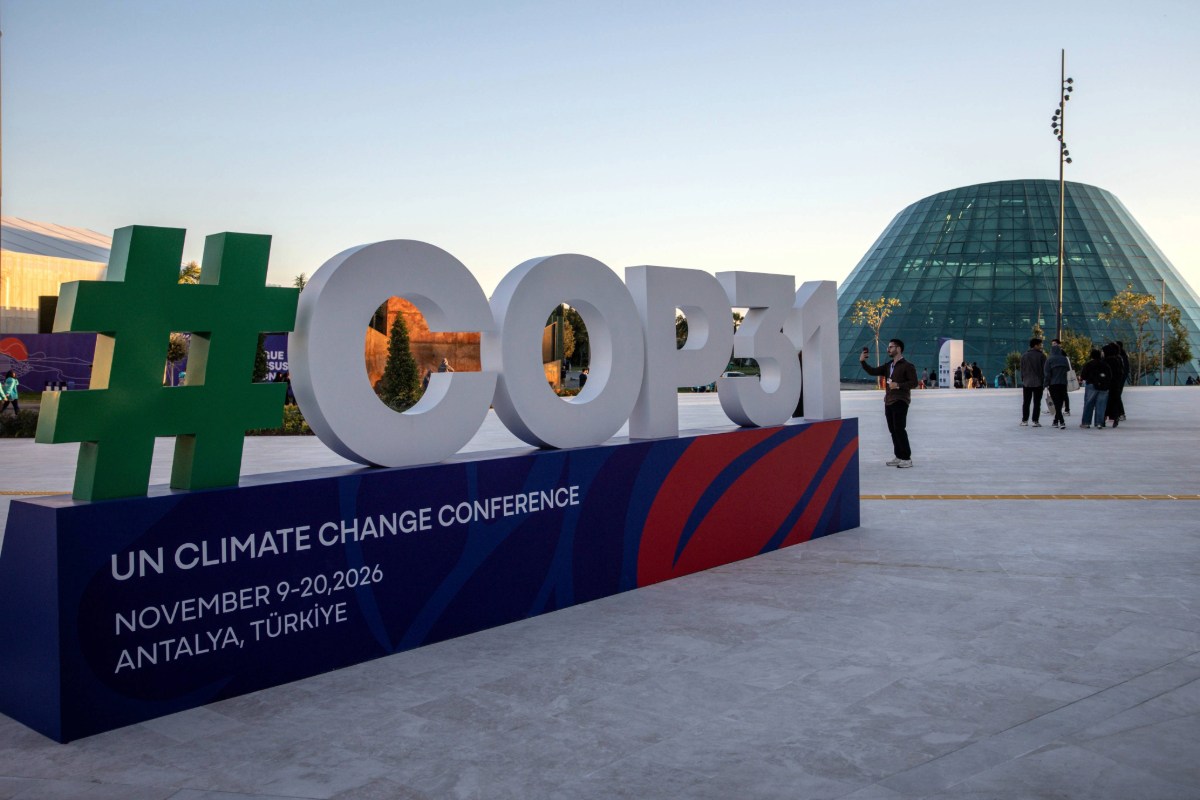
Cop31 climate summit diplomats are discussing the costs and benefits of achieving net zero emissions by 2050. The issue at hand is the alleged exorbitant cost and minimal benefit that net zero would bring. I decided to examine this claim by using a tool called NetZeroCostBenefit.com, which calculates the potential outcomes of net zero for countries like the United Kingdom.
The tool uses established climate models and economic data to determine what reaching net zero would mean for a country's GDP, global temperatures, and the value of climate benefits.
Upon running the numbers for the UK, I found that achieving net zero by 2050 would cost the country 7.2% of its GDP in that year. This loss would be nowhere near the projected global climate damages, which range from 1.8% to 2.8% of global GDP by 2100. Moreover, achieving net zero in the UK would only marginally reduce global temperatures by 0.0038°C by 2100, an amount that would likely go unnoticed.
However, the costs would be significant for Britons, with an annual cost of £70.3 billion by 2045 and a total of £695 billion over the century. In comparison, the global climate benefits would only amount to £74 billion. Despite these staggering figures, the policy still falls short, delivering only eleven pence of benefits for every pound spent.
The analysis reveals that the world would avoid $24 trillion in climate damages this century through net zero, but at a cost of $255 trillion. This shows that the policy costs more than it delivers, with nine cents on the dollar in return. Even though fossil fuels are still abundant and relatively cheap, emissions have increased again in the last year, indicating that they will remain prevalent for the foreseeable future.
Instead of focusing on net zero by 2050, the article suggests that alternative solutions, such as early-warning systems, stronger infrastructure, and poverty alleviation, would yield greater benefits for a fraction of the cost. The author argues that net zero by 2050 is an egregiously bad deal, and the need to recognize this fact has been overlooked for three decades of climate conferences. The article encourages readers to run the numbers themselves using the NetZeroCostBenefit.com tool.
Written by urgent.news from City AM's reporting — not their text. Machine-written — may contain errors; check the original before relying on it.