‘We are not just a fair-weather friend’: Harrods boss on the importance of the Middle East
There are few retailers so synonymous with a single address. Since 1849, Harrods has occupied its corner of Knightsbridge, evolving from a department store into an international destination where fashion, culture, food and luxury converge. For Michael Ward, its managing director since 2005, that sense of place is fundamental to the business. At a time when luxury brands are expanding their…
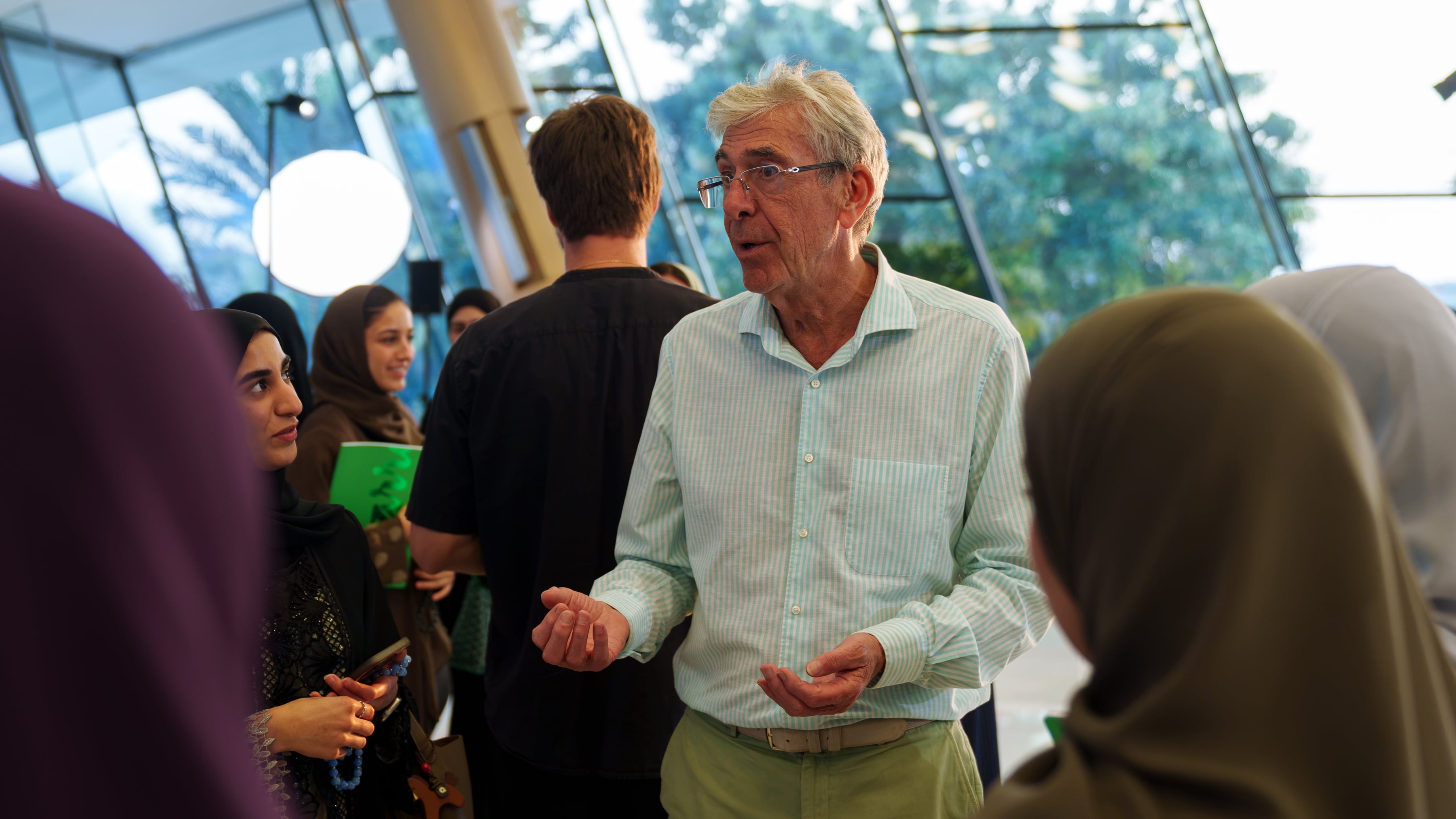
Harrods, the iconic London department store, occupies a singular address since 1849, evolving from a department store to an international destination where fashion, culture, food, and luxury converge. Managing Director Michael Ward emphasizes the importance of Harrods' presence in London, where it has built a strong community over the years.
The retailer, however, has ambitions beyond Britain, engaging with emerging creative communities in mainland China, Hong Kong, and the Middle East through Harrods Hive. In its fourth year in Dubai, Harrods Hive returned this week, bringing together students, entrepreneurs, and industry figures for workshops, discussions, and networking at the Etihad Museum.
Ward stresses that Harrods' relationships in the Middle East should not be temporary but should be cultivated over time, building communities and helping the next generation. The retailer remains committed to the region despite regional unrest, demonstrating its dedication to the community. Ward's philosophy is rooted in the institution's 176-year history, aiming to establish Harrods as the top international luxury brand catering to the wealthiest 0.1 percent of the world's population.
This has led to significant changes in the Knightsbridge store, with subtle adjustments such as reinstating traditional awnings and restoring architectural coherence.
Ward's approach extends beyond fashion, as he believes in curating people's lifestyles by introducing luxury brands in homeware and children's departments. He has resisted exporting the Harrods model, maintaining that Harrods' unique Britishness is a central part of its appeal, and replicating it elsewhere would dilute its distinctiveness.
Ward also values Britain's cultural institutions, expressing frustration at the country's self-deprecating attitude towards its cultural assets. This same confidence drives Harrods' approach to buying, as seen in the success of its Salon de Parfums, which accounts for 55 percent of UK sales of fragrances priced above £1.
Written by urgent.news from The National Business's reporting — not their text. Machine-written — may contain errors; check the original before relying on it.
This story
This is one outlet's version. Read the fullest account.
- Commission takes EU’s Middle East spotlight as Kallas’ Israel channel stays frozen politico.eu
- Mothercare future hangs in balance after Boots and Middle East blow cityam.com
- Uptick in Middle East attacks indicates deepening stalemate semafor.com
- Sotheby’s Middle East chairman to join The Briefing for exclusive fireside chat on Abu Dhabi’s auction boom arabianbusiness.com