Internet Archive Staffers Are Unionizing
A supermajority of eligible workers at the nonprofit digital library voted to join the Communications Workers of America.
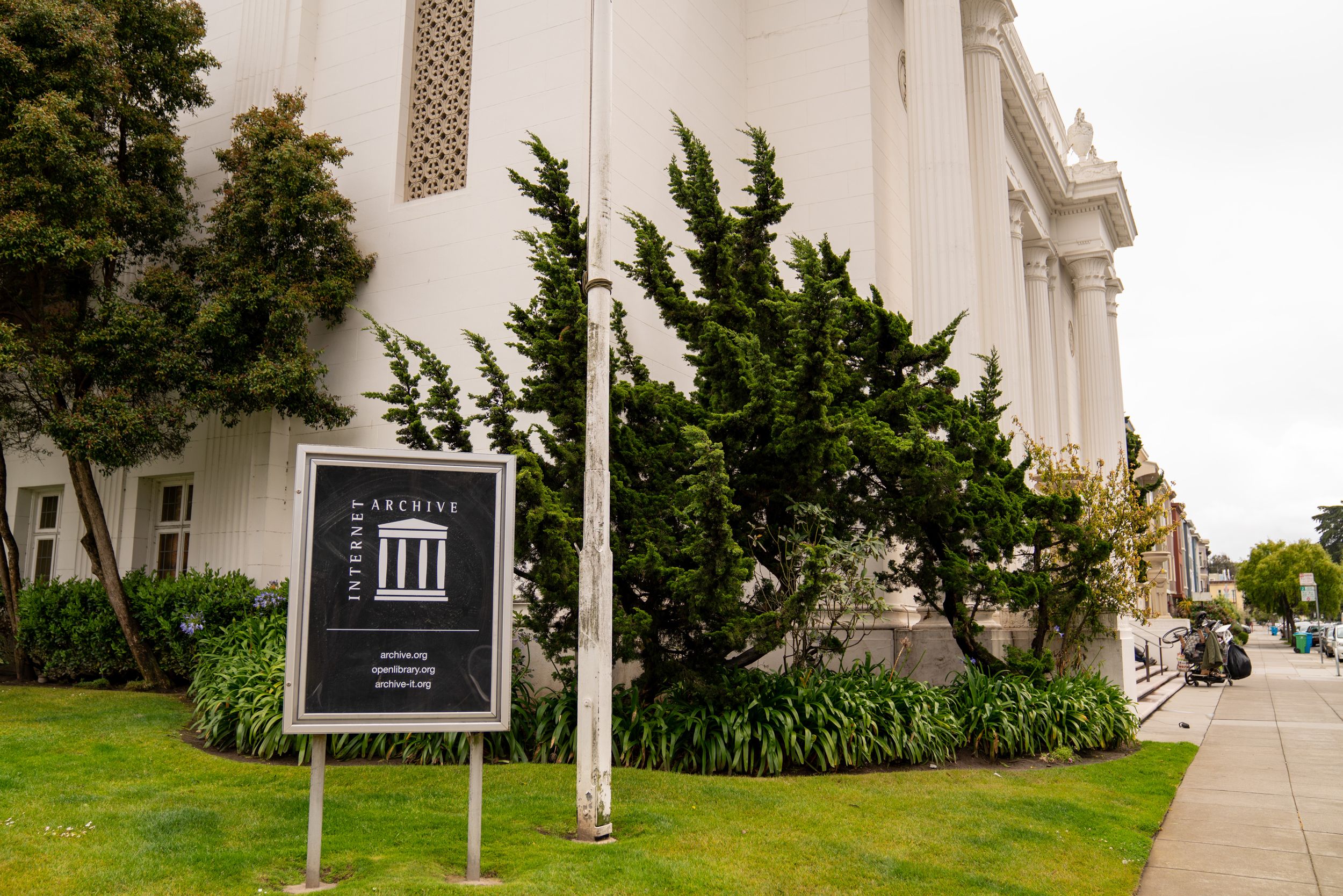
Staff members at the Internet Archive, a non-profit digital library known for its Wayback Machine, have voted to join the Communications Workers of America (CWA). Over 80 out of 124 eligible US employees voted in favor of unionization. The Internet Archive, founded in 1996 by Brewster Kahle, aims to provide universal access to all knowledge.
Will Howes, an Internet Archive engineer, sees the unionization as accepting Kahle's challenge to make the workplace the best it can be in pursuit of the mission. The union's primary goals include securing wage increases, additional benefits, and ensuring these benefits are consistently available to all employees. The Internet Archive, which has archived over 1 trillion web pages, employs a diverse set of workers, including librarians, engineers, physical media specialists, and facility coordinators.
The unionization process, which began in February 2025, is a unique challenge due to the staff's diversity, but Howes and Leard find it rewarding. The simultaneous efforts by the Internet Archive and the Wikimedia Foundation, both core infrastructures of the internet, are seen as powerful. The unionization drive is particularly important amid tech layoffs and concerns about emerging technologies like AI.
The Internet Archive has been affected by AI, as some news websites have blocked web crawlers from it, fearing it gives AI companies access to their content. The Internet Archive's unionization is seen as a potential domino effect, encouraging other organizations to follow suit and improve the tech industry.
Written by urgent.news from Wired's reporting — not their text. Machine-written — may contain errors; check the original before relying on it.