Fiona the Hippo Died After Eating a Hat. But How Does a Hat Kill a Hippo?
The beloved 9-year-old hippo at the Cincinnati Zoo was famous for surviving premature birth. A veterinary expert explains how a 2,500-pound animal can succumb to a knit hat.
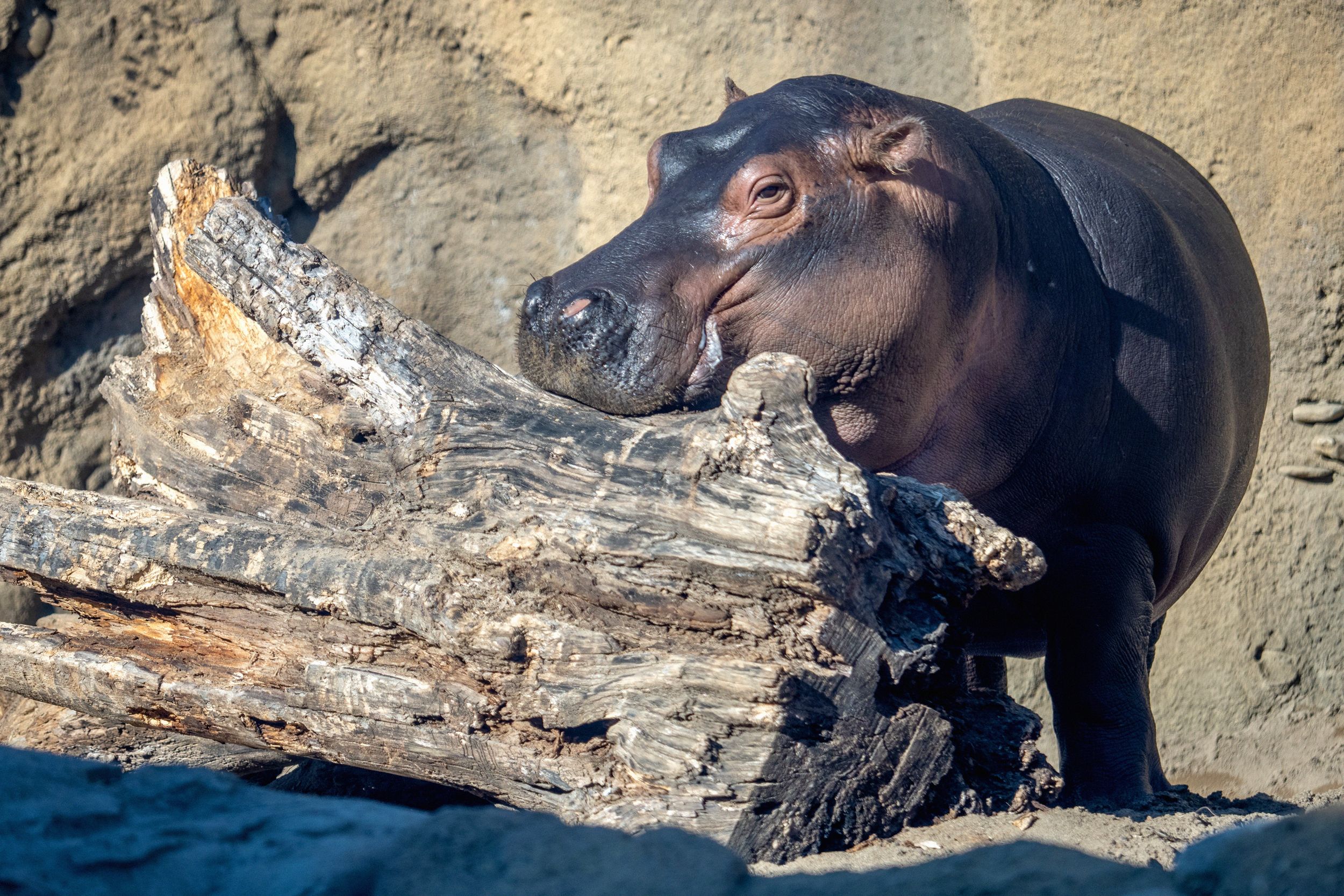
The tragic death of Fiona the hippo, allegedly caused by her consumption of a hat, has left many questions unanswered. According to zoo officials, the hat entered her enclosure after a child tossed it into the air. It reportedly collided with a ceiling fan and was launched through a one-foot gap above the 12-foot-tall viewing window. A few days after consuming the hat, Fiona's condition began to deteriorate.
The question arises: how could a seemingly harmless hat cause such a catastrophic outcome for a creature that weighs over 2,500 pounds? Dr. Jan Hawkins, head of the clinical science department at North Carolina State University's College of Veterinary Medicine, explains that the cause of Fiona's death was likely due to an intestinal blockage. Hippos have incredibly long intestinal tracts, estimated to be over 100 feet long, with more than 70 feet in the small intestines alone.
When the hat got stuck in Fiona's intestines, it likely caused a significant amount of swelling and pressure in her abdomen. This could have led to a blockage in her blood circulation, eventually causing tissue death. If the dead tissue ruptured, the contents of the digestive tract could have leaked into Fiona's bloodstream, leading to toxic shock and organ failure. Another possibility is that Fiona's intestines twisted around the hat, cutting off blood circulation and causing tissue death.
The type of hat Fiona ate is also a subject of speculation. If it was made of organic materials like cotton or other biodegradable materials, it might have partially broken down in her intestines. However, if it was made of materials such as plastic or polyester, which do not degrade, it could have been even more detrimental to Fiona's health.
The decision not to perform surgery on Fiona was based on the complexity of the procedure and the unpredictable nature of hippo responses to sedation and anesthesia. Hippos are known for their unpredictable reactions to anesthesia, and their large size makes administering proper ventilation during surgery a significant challenge.
The Cincinnati Zoo's video shows that an ultrasound revealed "some bunching of intestines," suggesting that Fiona was able to pass some of the materials through her small intestine. This could provide some insight into the type of hat she consumed.
Written by urgent.news from Wired Science's reporting — not their text. Machine-written — may contain errors; check the original before relying on it.