Brains of people with PTSD have unique epigenetic marks, study finds
The brains of people with PTSD bear molecular changes that differ from those in people with other conditions, like depression, a new study finds.
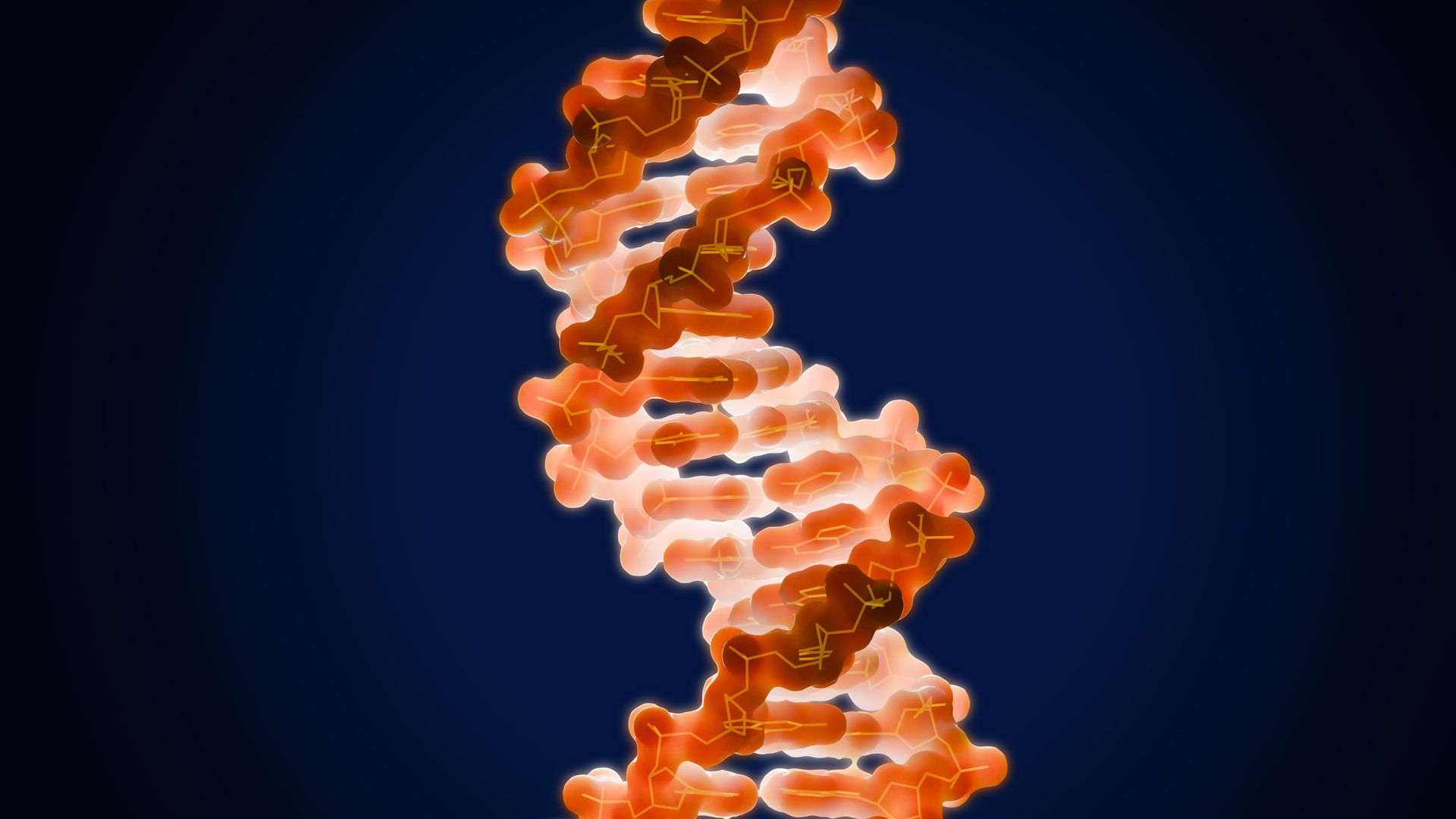
A new study published in Cell Reports has uncovered distinct epigenetic markers in the brains of individuals diagnosed with post-traumatic stress disorder (PTSD) compared to those without the condition. These epigenetic differences, which include alterations in DNA methylation, provide insights into the underlying molecular mechanisms that contribute to the development of PTSD.
The research team analyzed DNA methylation patterns in 302 brains, derived from individuals who had donated their brains after death. The brains were categorized into three groups: 101 brains of individuals with PTSD, 101 with major depressive disorder, and 100 without any diagnosed psychiatric disorders. Medical records were also available for each participant.
The researchers focused on three key brain regions: the prefrontal cortex, responsible for cognitive functions such as planning and decision-making; the amygdala, which plays a crucial role in emotional processing; and the hippocampus, essential for memory and learning.
The study found that PTSD affected the methylation patterns in the prefrontal cortex, while major depressive disorder showed distinct methylation in the amygdala. Unlike in depression, where the methylation patterns affected similar sets of genes across various brain regions, the patterns in PTSD were more inconsistent, with different genes being impacted in different areas.
Furthermore, the methylation differences in PTSD were influenced by factors such as the individual's sex, ethnicity, and age at which they experienced trauma. While the findings cannot yet be used for diagnostic purposes, they offer a promising avenue for future research. By understanding these epigenetic differences, scientists could potentially correlate measurements in blood tests with brain changes, facilitating more accurate PTSD diagnosis and treatment.
However, the study does have limitations. As the analysis was conducted on postmortem brains, the researchers relied on existing medical records rather than direct assessments of the study subjects. Additionally, both PTSD and major depressive disorder are associated with substance use, which can also impact DNA methylation. This confounding factor was not accounted for in the study.
Lastly, the researchers are unable to determine whether the observed epigenetic differences are a consequence of PTSD, a risk factor, or a downstream effect of other co-occurring conditions.
Despite these limitations, the study marks a significant step forward in understanding the molecular basis of PTSD. Dr. Frances Champagne, a co-author and psychologist at the University of Texas at Austin, expressed excitement about the implications of the findings. Her team is now exploring other factors, such as sex, timing of traumatic experiences, and history of substance use, that may contribute to the variation in PTSD-related epigenetic patterns.
Written by urgent.news from Live Science's reporting — not their text. Machine-written — may contain errors; check the original before relying on it.