Anthropic mathematician claims AI-assisted proof of the Riemann hypothesis
The Riemann hypothesis is one of the most difficult problems in mathematics, having stood for 167 years. It may have just been settled with the help of AI
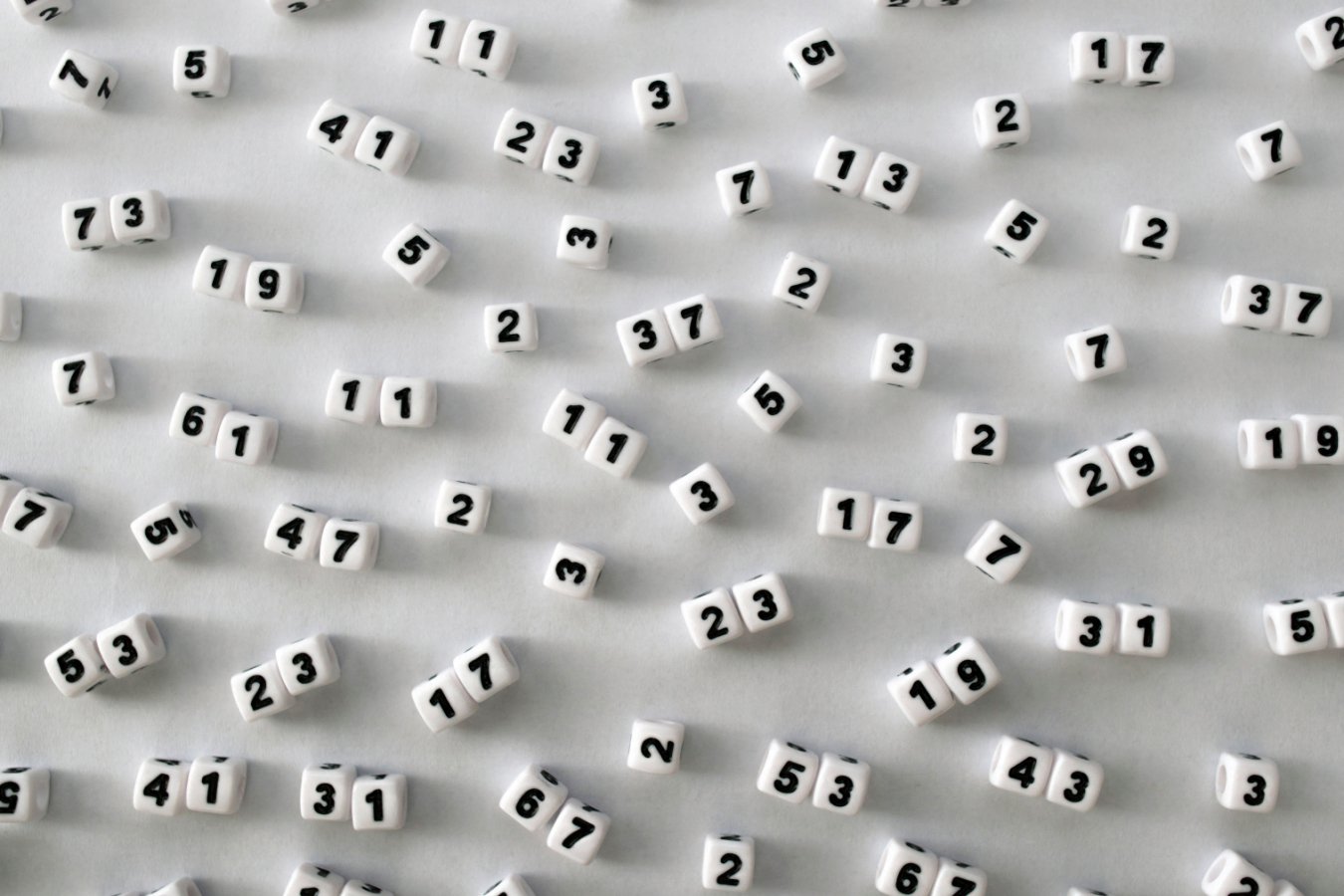
In a groundbreaking claim, Levent Alpöge, a mathematician at AI company Anthropic, asserts that he and the company's Claude AI have discovered and verified a proof for the Riemann hypothesis, a centuries-old mathematical conundrum. The Riemann hypothesis, first proposed by Bernhard Riemann in 1859, posits an underlying pattern within prime numbers. It remains one of the Clay Mathematics Institute's Millennium Prize Problems, offering a $1 million reward for a verified solution.
Alpöge detailed his claim in a statement, crediting Claude for assisting in the discovery. He expressed awe at the progress AI is making in solving complex mathematical problems, suggesting that this breakthrough could herald a new golden age of mathematics. However, he notes that the proof, which is currently in the form of computer code, will require thorough human verification due to potential vulnerabilities in the formalization process.
Alpöge has previously made headlines with claims about solving other complex mathematical problems, such as disproving the Jacobian conjecture and cracking three significant problems leading to the Navier-Stokes problem. Anthropic, Anthropic's stock market debut occurred on November 19, and Alpöge suggests that he waited to announce this Riemann hypothesis proof until after the stock market listing, citing constraints from Anthropic CEO Dario Amodei.
Written by urgent.news from New Scientist's reporting — not their text. Machine-written — may contain errors; check the original before relying on it.