What makes Americans feel financially ready to have kids? It’s complicated.
When it comes to wanting kids, the size of your paycheck seems to matter less than which way it’s moving. That’s one of the key findings in the 2026 American Family Survey, released Thursday by Brigham Young University and the Deseret News, which has been conducted annually since 2015. This year’s survey was conducted by […]
When it comes to wanting children, how much a paycheck grows or shrinks appears to matter less than whether it's trending upward or downward. That's one of the primary insights from the 2026 American Family Survey, released recently by Brigham Young University and the Deseret News. The survey polled 3,000 Americans, alongside an additional 1,500 adults aged 18 to 40.
Among childless adults under 50, 44% of those whose finances improved over the past year expressed a definite desire for children, while only 24% of those whose finances declined felt the same. Interestingly, income made a smaller difference: 29% of those earning under $50,000 said they definitely want kids, compared to 32% of those earning $100,000 or more.
Andrew Cherlin, a professor of sociology at Johns Hopkins University, notes that people's perception of their financial future plays a more significant role than their current income in determining whether they want to have children. Jeremy Pope, a political scientist at Brigham Young University and one of the survey's authors, adds that people care about security but define it differently based on their individual circumstances.
The survey also revealed that younger Americans tend to have higher expectations before starting a family. Young adults were more likely to list multiple conditions such as financial stability, a career, a home, or marriage as prerequisites for parenthood. Financial stability topped the list for young adults, chosen by 68% of adults under 40.
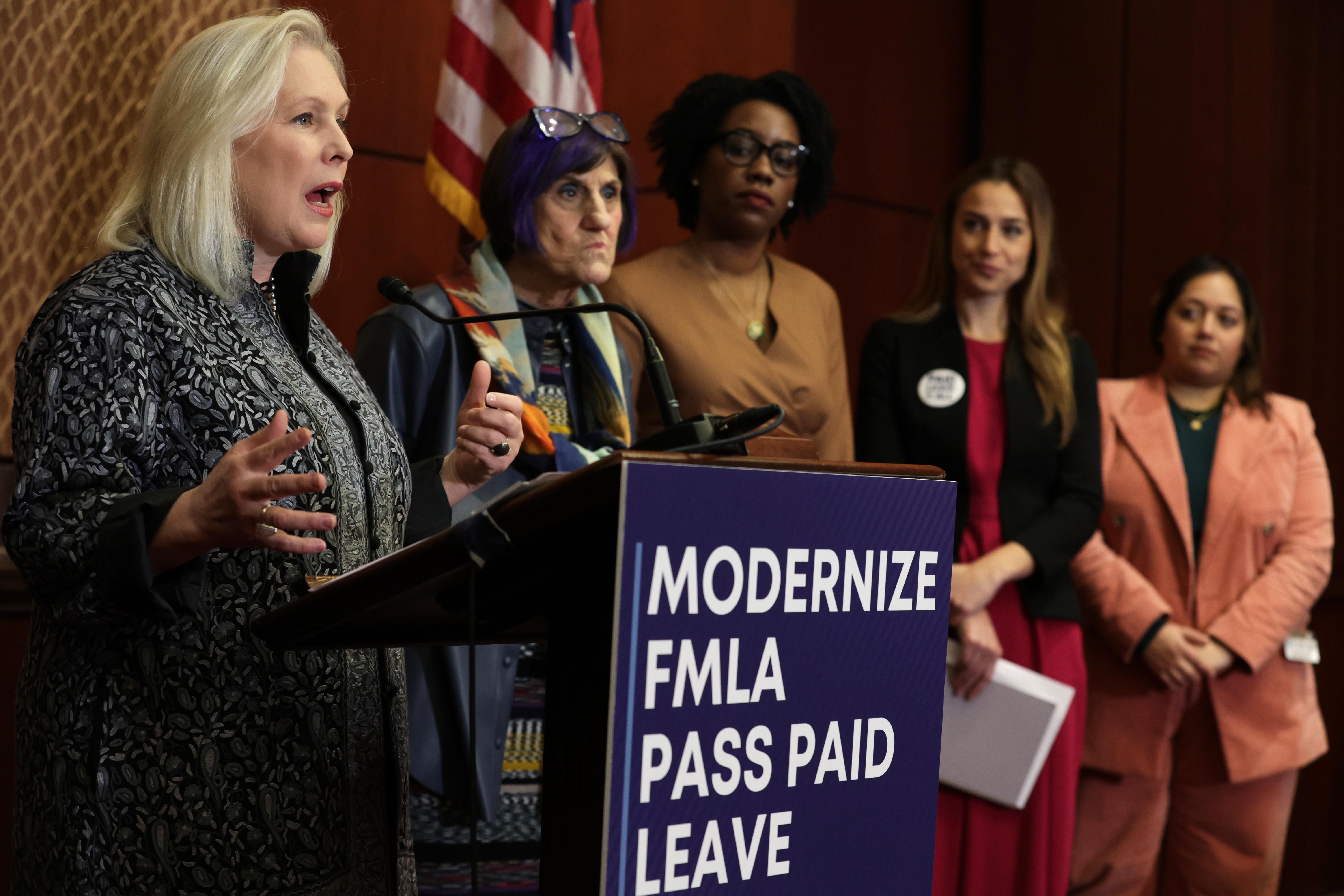
The findings suggest that policymakers focusing on family formation should prioritize measures that provide a more stable sense of security, such as making homeownership more affordable, ensuring permanent child care assistance, and implementing federal paid family leave. In the short term, persistent inflation, tariffs, and the Iran war, which have contributed to lower real wages this year, may have social ramifications.
Additionally, alleviating worker anxiety about their future earnings, particularly in the context of the AI era, can influence people's willingness to envision having children.
The survey highlights that the notion of being "ready" to have a child may need to be redefined, but elected officials must also take steps to make people feel secure enough to pursue parenthood. While the study does not definitively prove that future concerns are preventing people from wanting to have children, it raises questions about the expectations and financial realities that shape these decisions.
Written by urgent.news from Vox's reporting — not their text. Machine-written — may contain errors; check the original before relying on it.