The Amputations America Can Prevent
Your ZIP code shouldn’t determine whether you lose a limb, writes Dr. Foluso Fakorede
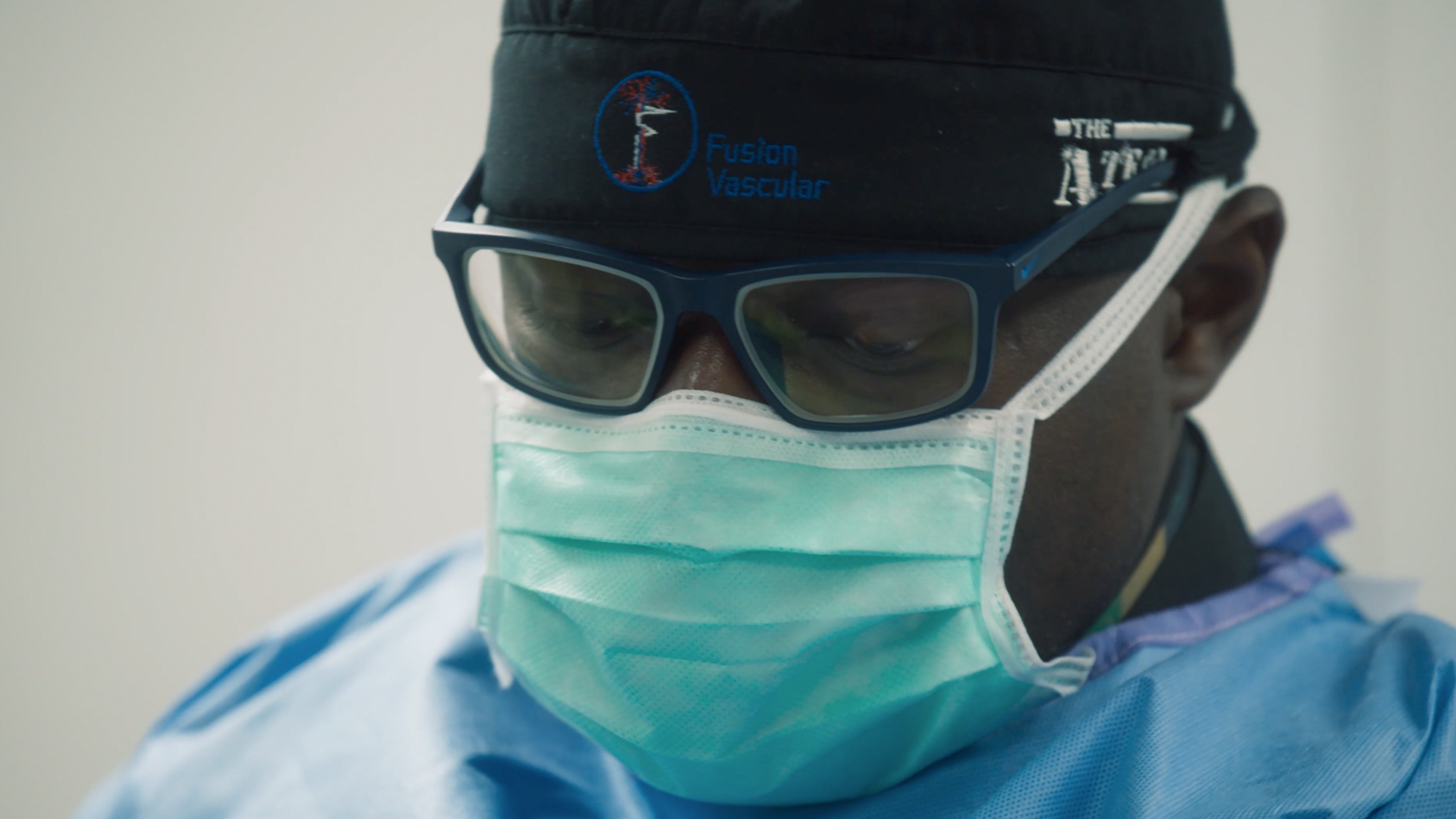
Dr. Foluso Fakorede, a cardiovascular specialist from New Jersey and New York City, has dedicated his career to addressing a deeply personal and generational healthcare issue in the Mississippi Delta. He was moved to take action after witnessing a disturbing pattern of preventable limb loss among Black Americans, a phenomenon he has termed the Black American amputation epidemic.
This issue is driven by alarming disparities in limb loss rates between Black and other racial groups, with Black patients experiencing rates three to four times higher than others.
Peripheral artery disease (PAD) is a significant contributing factor to this crisis. This condition, caused by the buildup of plaque in arteries, results in reduced blood flow to the lower limbs, causing leg pain, cramping, fatigue, and even non-healing wounds, ulcers, and gangrene. Early detection and treatment of PAD are crucial in preventing these devastating outcomes, yet they are often overlooked.
Simple, inexpensive tests like the ankle-brachial index (ABI) or toe-brachial index (TBI) can identify impaired circulation, yet these tests are frequently neglected during routine medical visits.
Despite its prevalence and the potential for life-saving interventions, PAD remains largely undetected and undertreated. This lack of awareness presents a significant barrier to early detection and prevention of limb loss. Dr. Fakorede stresses the importance of incorporating regular screenings for PAD during medical visits, as well as providing guideline-directed treatments to prevent downstream systemic consequences such as heart attack, stroke, and amputation.
Despite advances in minimally invasive procedures and surgical techniques, these alternatives are often overlooked before amputation becomes a necessary course of action. The primary challenge lies in consistently implementing these treatments, rather than the science or evidence supporting them.
Written by urgent.news from Time's reporting — not their text. Machine-written — may contain errors; check the original before relying on it.