Seven Spheres Became an App: Here's How
How the Hermetic cosmology I researched for my MA became the astrology platform I've spent the last two years on.
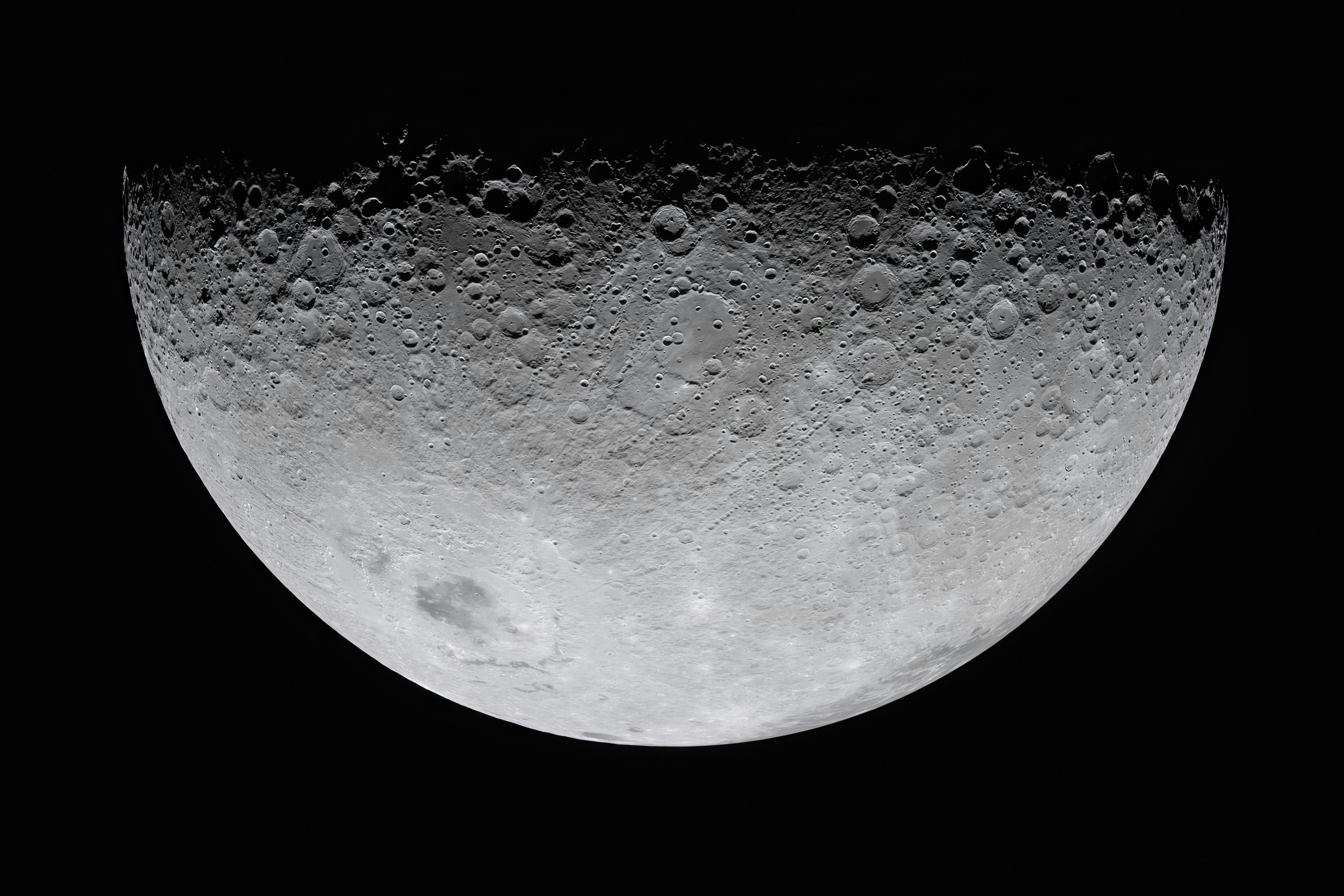
In 2017, the reporter took a photograph of a specific page from Jonathan Black's "The Secret History of the World" in a university library. This page detailed the planetary sequence: Saturn, the Sun, Venus, the Moon, and Jupiter, highlighting the conditions that allowed life on Earth to thrive. Nine years later, the reporter opened a software dashboard built over two years, which had garnered 43,000 visitors last month.
Most visitors came from articles in a knowledge base containing around 2,000 entries on planetary correspondences, crystals, herbs, spells, runes, tarot, and their relationships.
The reporter has been working on this project for six years, with the MA (Master's of Arts) research not concluding with graduation. Instead, the research led to further questions and an ongoing inquiry about the Hermetic cosmology and its internal coherence. The reporter questioned how this mechanism could be represented in software, ultimately leading to the creation of Lunary.
Lunary is a software program that renders the Hermetic cosmology in a digital format. It calculates the positions of celestial bodies using astronomy-engine, an open-source VSOP87 implementation in JavaScript, and provides a real-time transit engine that maps the ongoing conversations between acquired qualities and planetary spheres.
The grimoire, a knowledge base containing 2,000 entries on planetary correspondences, herbs, crystals, spells, runes, tarot, and their relationships, is structured as a queryable graph to allow the software to retrieve the information coherently.
The astral guide, an AI layer in Lunary, retrieves passages from the grimoire and the user's own chart context to provide answers, stitching them together into a response. It is not a generative astrology tool but rather a means to save users time by surfacing information already available in the knowledge graph. The software functions as a UV light, revealing the truths about the sky at the moment of birth and the current state of the sky, all while maintaining the internal consistency of the tradition that spans two thousand years.
Written by urgent.news from HackerNoon's reporting — not their text. Machine-written — may contain errors; check the original before relying on it.