Nvidia Asked to Sell Chips to Companies Tied to Chinese Military and Megaspeed
Lawmakers released confidential information showing the Commerce Department had approved sales of more than 800,000 A.I. chips to Chinese companies, some with military ties.
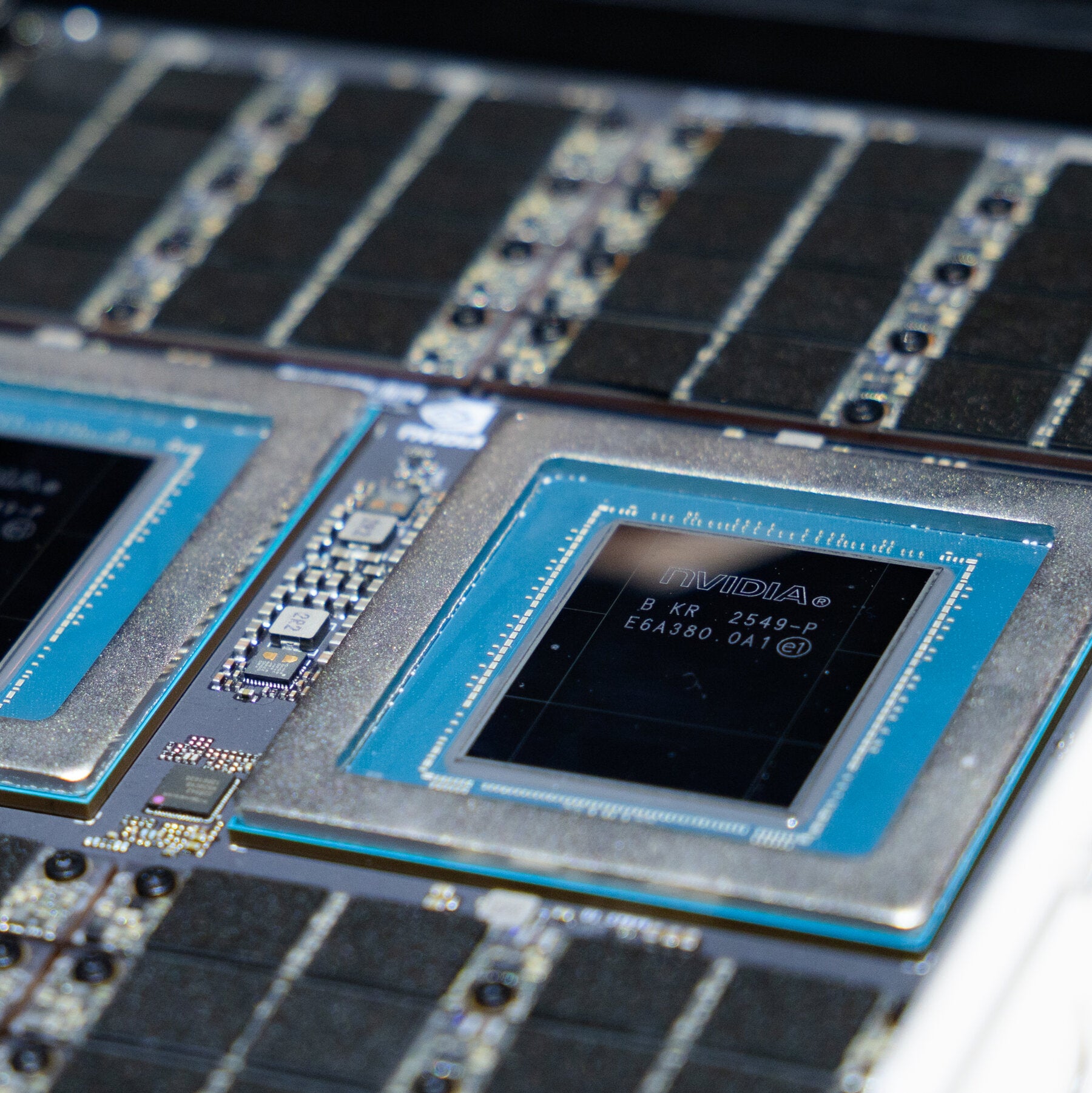
US chip manufacturer AMD experienced a significant drop in stock value by up to 10% on Wall Street, following an investigative report alleging that certain Chinese companies were utilizing its chips in violation of US export restrictions. The report, published by Hunterbrook, a leading investigative outlet, claims that IEIT Systems, a Chinese AI infrastructure company and a US-listed entity, allegedly acquired advanced AMD chips. Additionally, three other server makers with connections to IEIT are also implicated in the report.
In response to these allegations, an AMD spokesperson unequivocally rejected the claims, emphasizing that the company adheres to US export control laws and maintains stringent compliance measures across its global operations. The spokesperson further stated that AMD strictly adheres to applicable US export control laws and regulations, and upholds rigorous processes to ensure compliance throughout its global operations.
The US government has consistently tightened its restrictions to curb China's access to cutting-edge American technologies, as evidenced by the recent announcement of new measures aimed at obstructing China's access to US chips via intermediary countries. This development came in the wake of a scandal involving allegations of adultery and potential espionage, which ultimately led to the resignation of Nvidia CEO Jensen Huang.
Interestingly, AMD CEO Lisa Su is the first cousin once removed of Nvidia's previous CEO, Jensen Huang. According to the Hunterbrook report, investors are trading one cousin's troubles for the other's benefit, highlighting the complex web of relationships within the AI sector. Critics argue that both AMD and Nvidia contribute to a precarious funding ecosystem in the AI industry, which they claim could collapse in the event of a market downturn.
The report also highlights the symbiotic relationship between big tech companies, chipmakers, and cloud computing providers. These entities often invest in and provide financing to AI startups, which subsequently utilize these funds to acquire the products and services offered by the chip and tech giants.
Written by urgent.news from Free Malaysia Today's reporting — not their text. Machine-written — may contain errors; check the original before relying on it.
This story
This is one outlet's version. Read the fullest account.
- AMD slides after report links its chips to blacklisted Chinese firm freemalaysiatoday.com