New designer drug found in Toronto fentanyl supply
A new opioid part of an emerging class of designer drugs has been found in fentanyl samples in Toronto, according to a drug monitoring program.
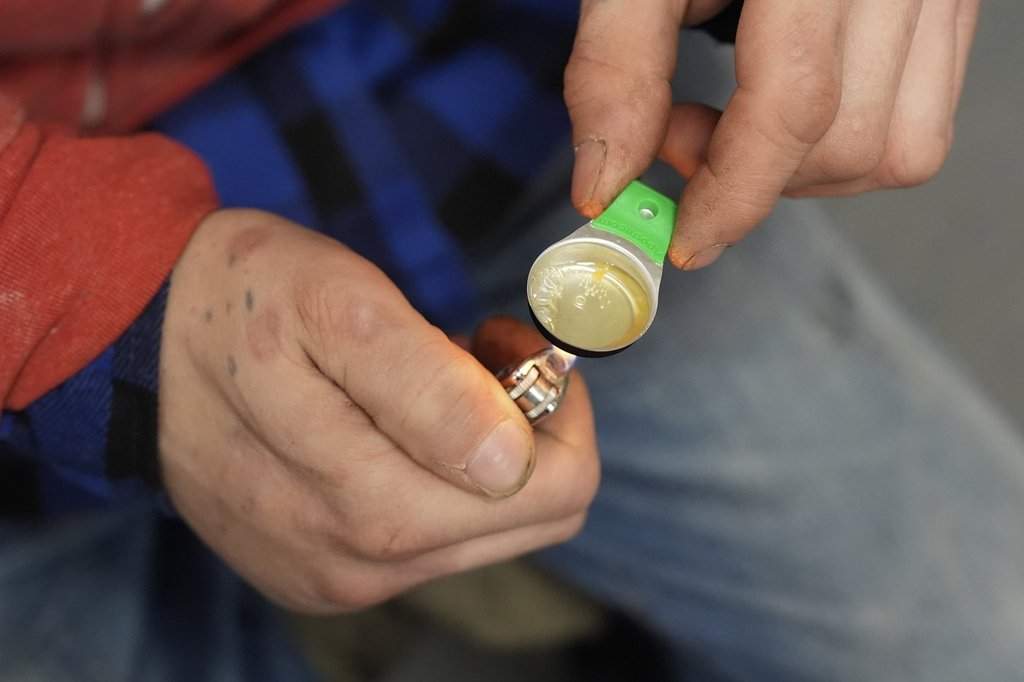
Toronto's drug checking service has discovered a new opioid substance within the city's fentanyl supply, raising concerns about the ever-evolving nature of the street drug market. The substance, still unnamed, belongs to the orphine class of potent designer opioids. First detected in October, it has since been found in samples from both Toronto and Vancouver.
Drug checking service executive director Karen McDonald noted the substance's similarity to cychlorphine, an orphine-class opioid believed to be 10 times stronger than fentanyl. However, due to limited research, the strength and effects of this newest orphine remain unknown. Cristiana Stefan, a lab director at the Centre for Addiction and Mental Health, expressed concerns about potential interactions with other drugs.
Toronto's drug checking service found that 96 percent of fentanyl samples contained at least one non-opioid drug, often a veterinary tranquillizer or benzodiazepine, and 83 percent contained multiple high-potency opioids. These findings highlight the ongoing contamination and changing composition of the illicit drug supply in Canada, contributing to the rising rate of opioid overdose deaths.
Written by urgent.news from Global News's reporting — not their text. Machine-written — may contain errors; check the original before relying on it.
Other reports of this story
- New designer drug found in Toronto fentanyl supply globalnews.ca