Fury and Joshua’s $200m purse shows Olympians are being short-changed
Boxing is the ultimate free-market sport and could teach other Olympic sports a thing or two about rewarding talent, says Ed Warner. What would you need to be paid to step into the ring as a late substitute for Tyson Fury or Anthony Joshua should either be injured ahead of their Cardiff showdown? The boxers [...]
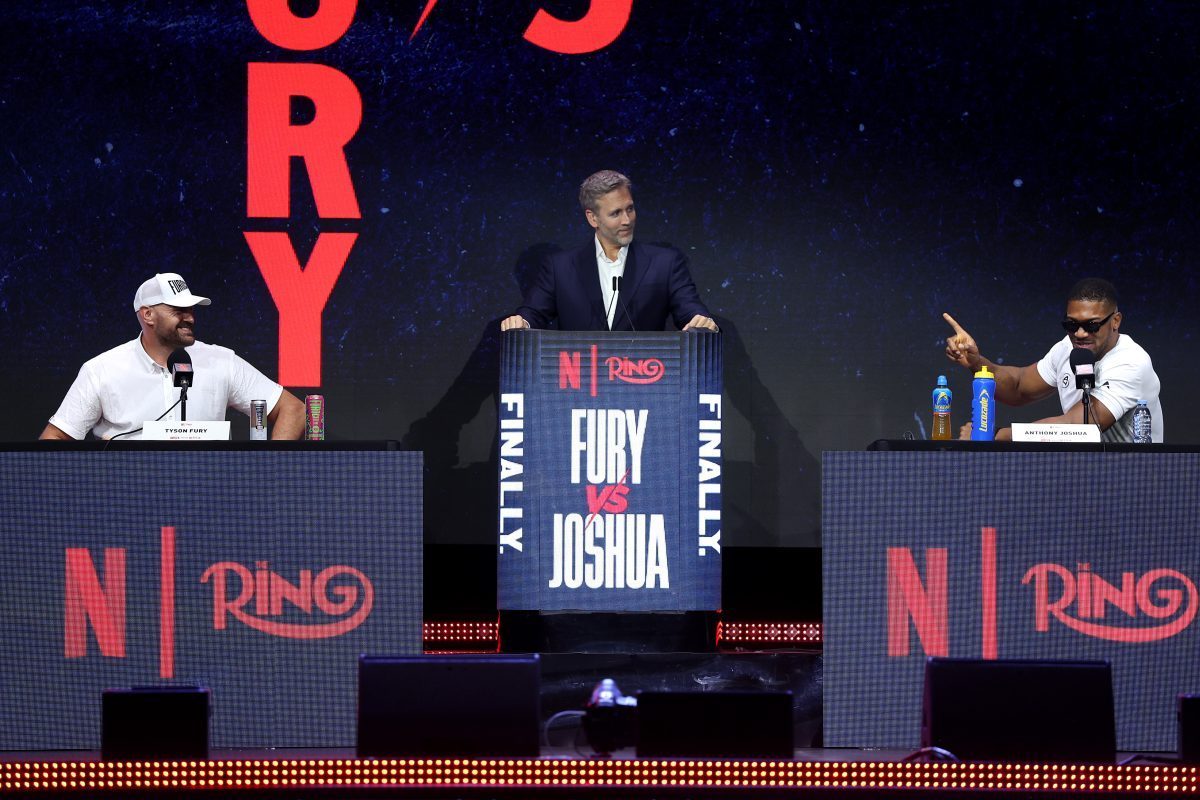
Ed Warner argues that boxing, being a free-market sport, could teach other Olympic sports a thing or two about rewarding talent. In a December 12 showdown between Tyson Fury and Anthony Joshua, a $200 million purse will be split equally between the two boxers. Considering the costs of managers, trainers, and other entourage members, each fighter will net $100 million.
This scenario demonstrates that boxing rewards talent and management uncapped by traditional salary caps, with rewards directly derived from sponsor, broadcaster, and spectator markets. A 50:50 purse split is unusual and necessary for arranging such contests. Promoter Frank Warren notes that the magnitude of the fighters' earnings is staggering.
Although we may never know the full economics of the fight's marketing, it is evident that the majority of revenue will go to the two boxers. Athletes in other sports are envious of this revenue distribution. Golf, influenced by LIV Golf, has experienced an increase in prize money, pushing PGA Tour revenues to above 40% distributed to players.
In contrast, US team sports athletes, organized as collectives, negotiate with team owners, including striking threats, resulting in around half of revenues accruing to players. In American team sports, golfers and tennis players receive less than 22% of Grand Slam revenues. Olympians, on the other hand, are financially disadvantaged compared to their counterparts in popular sports.
The International Olympic Committee's parsimonious approach and lack of sustainable commercial models have left Olympians trailing financially. To address this issue, athletes must organize collectively and challenge the IOC on financial distributions.
Rewritten by urgent.news; may contain errors — check the original.
Source: cityam.com