Thank You for Doing NASA Science!
It’s Thanksgiving time, and we’re giving thanks to you for doing NASA Science with us! You and NASA’s other volunteers have enabled an incredible banquet of discoveries—by taking data, analyzing data, writing code, writing papers, and even inventing your own science projects. Whether you’re an expert participant or someone who’s just started your science journey, […]
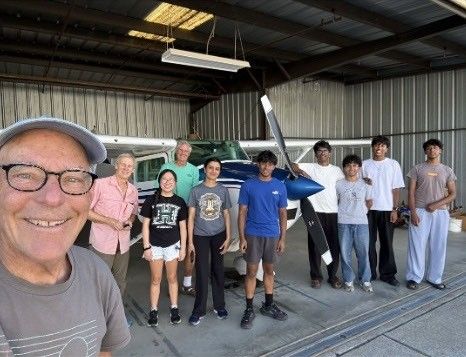
Thank you for your dedication to NASA Science, our volunteers! Your contributions have enabled a multitude of discoveries. As a token of our appreciation, we present a few messages of gratitude from our scientists.
Chihoko Cullens, principal investigator of the Space Cloud Watch project, thanks Pirjo Koski, Huub Eggen, and Brian Scott. Pirjo shares Noctilucent Cloud photos and introduces other cloud databases. Huub goes beyond basic data and provides insightful observations. Brian contributes time-lapse videos and consistently supports the team.
The Open Science Data Repository Analysis Working Groups project had high school students take a Machine Learning for Space Biology course. Guided by OSDR AWG members, these students mined ISS Rodent Research-9 Mission data and trained a machine learning ensemble to distinguish oxidative damage from cell death in the eyes of space-flown mice. Every citizen science student co-author earned authorship and many started college with a NASA publication already behind them.
Snapshot Wisconsin's Tim Sparks has been a valued volunteer for nearly a decade. He piloted test protocols and joined the new Snapshot Phenology Project, setting up and maintaining equipment to measure snow depth, temperature, and sound recordings at his trail camera site.
The Impact Flash! project thanks everyone who sent in images of the Moon, with a special thank you to Joerg Tomczak for helping with the Artemis II campaign.
Rachael Mady from the Chesapeake Water Watch project expresses gratitude to all volunteers, who have made the project possible. The Chesapeake Bay is the nation's largest estuary, and the volunteers' observations have contributed to improving the health of the Bay.
Various other scientists express their thanks to specific individuals who have contributed tools, shared discoveries, inspired the team, and kept the project connected.
For those interested in joining the fun and making a lasting impact on NASA science, opportunities are available at https://science.nasa.gov/citizen-science/. Happy Thanksgiving!
Written by urgent.news from NASA's reporting — not their text. Machine-written — may contain errors; check the original before relying on it.
This story
This is one outlet's version. Read the fullest account.
- Thank You for Doing NASA Science! science.nasa.gov