‘Just Ridiculous’: A Famed Philosopher Takes on AI Consciousness
Thomas Nagel has done landmark work on consciousness in nonhumans; this week, he won the million-dollar Berggruen Prize for his contributions to the field. And he has a lot of thoughts on AI.
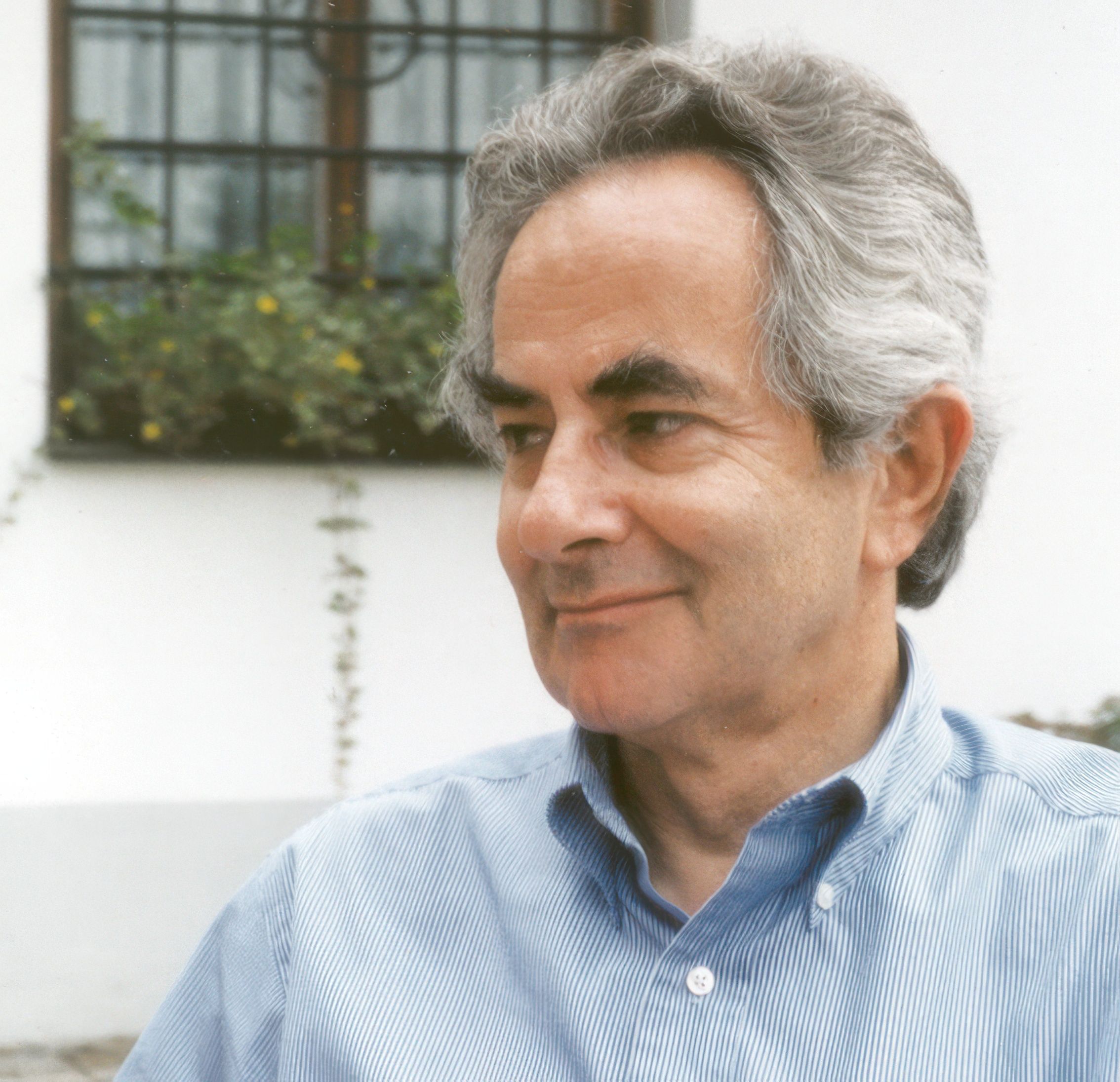
Philosopher Thomas Nagel has expressed strong skepticism regarding the notion that artificial intelligence could achieve consciousness. In an interview, the 89-year-old university professor emeritus at NYU discussed how the emergence of large language models has affected his views on this subject. Nagel firmly believes that the physical substrate is crucial to consciousness, rejecting the functionalist perspective that suggests consciousness can emerge from any system capable of processing information.
He argues that while consciousness may exist elsewhere in the universe, it would likely require an organism with a nervous system akin to our own. Nagel contends that the subjective nature of consciousness makes it impossible to infer that AI systems, which primarily generate language, possess genuine mental states. He also criticizes the commercial incentives driving companies to promote the idea of sentient AI, suggesting that this trend is misguided and potentially dangerous.
Despite his skepticism, Nagel has acknowledged interacting with an AI model, such as Claude, as if it were conscious. While he does not believe AI systems are conscious, he acknowledges the difficulty many people face in maintaining the distinction between the simulated consciousness of AI and genuine mental states.
Written by urgent.news from Wired Business's reporting — not their text. Machine-written — may contain errors; check the original before relying on it.
This story
This is one outlet's version. Read the fullest account.