Incentivi e mercato unico per far decollare l’economia circolare
Raddoppiare il tasso di circolarità entro il 2030. Obiettivo ambizioso quello che si pone l’Europa, target che si punta a raggiungere introducendo nuove regole attraverso il Circular Economy Act, proposta...
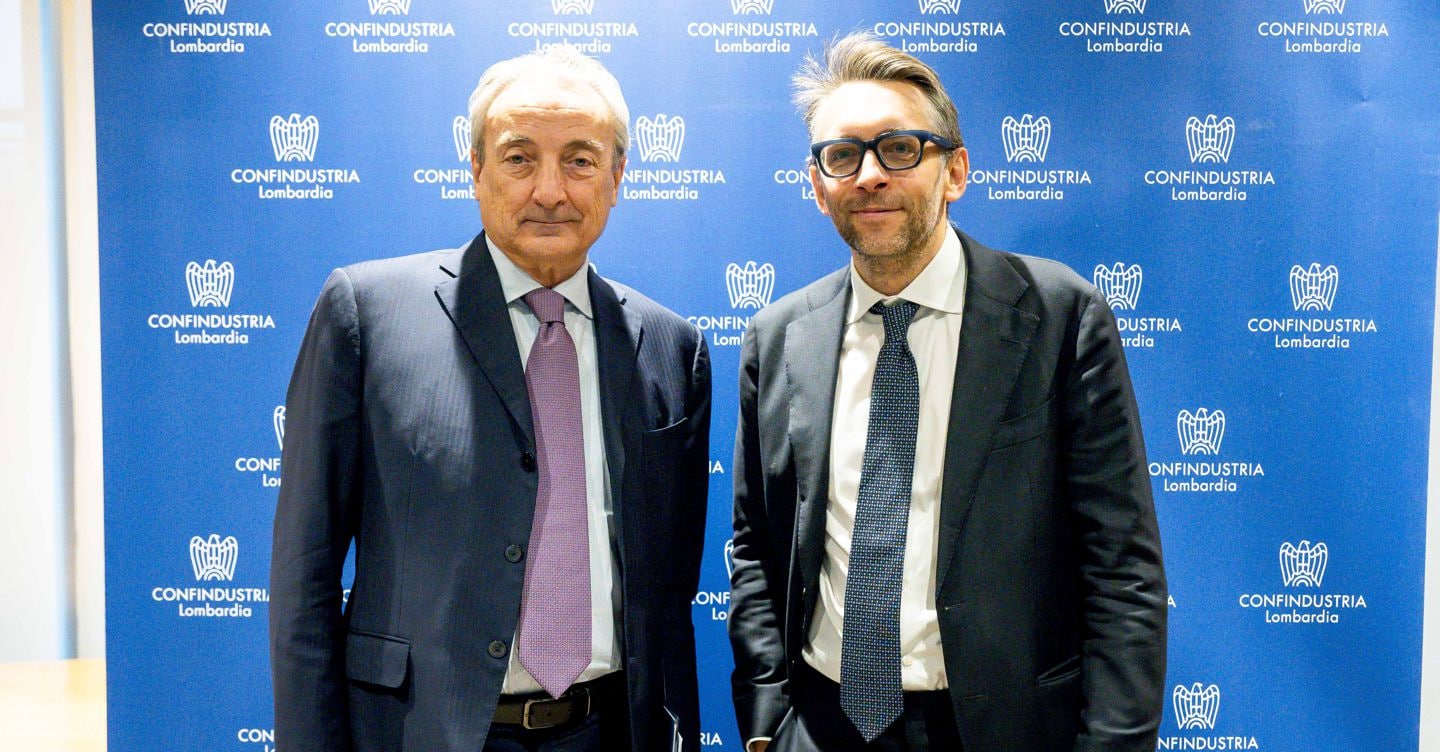
The European Union aims to double its circularity rate by 2030, a goal that will be addressed through the Circular Economy Act proposed by the Commission and presented in December. To prepare for this event, Confindustria Lombardia and the think tank Ecco have developed a document on the matter, presenting the requests from businesses and stakeholders to the legislators.
Italy, which relies on imports for 47% of the raw materials it transforms, more than double the European average, faces particular challenges in achieving this objective.
Among the proposed measures is the creation of a single European market for recovered materials, establishing a stable and predictable demand that can incentivize investments in the sector. Due to the higher costs of secondary raw materials compared to virgin ones, companies need a cost rebalance for recycled materials, as well as incentives for their use, including in public tenders.
Giuseppe Pasini, president of Confindustria Lombardia, explains that the circular economy represents a fundamental pillar for industrial competitiveness and the strategic autonomy of Europe, provided it is based on pragmatism, technology neutrality, and economic sustainability for businesses. However, Italy's leadership in this area is threatened by structural weaknesses, high energy costs, and regulatory asymmetries that penalize more virtuous economies.
The "Recommendations of Italian Enterprises" paper, resulting from a series of meetings initiated by Pierfrancesco Maran, president of the European Parliament's Environment, Climate and Food Safety Committee, covers key sectors such as steel, public tenders, batteries, recycling, and bioeconomy. Maran comments that this work is crucial, representing the correct approach to directing, not chasing, post-European norms.
The circular economy is one of the major opportunities to strengthen Europe's strategic autonomy and competitiveness, and for Italy, it is a decisive challenge. The meetings with Confindustria Lombardia and Ecco have allowed for the collection of concrete proposals. The Circular Economy Act can mark a quality leap, not only recycling more but building a true European market where recovered materials become a lever for innovation, investment, and growth.
Written by urgent.news from Il Sole 24 Ore's reporting — not their text. Machine-written — may contain errors; check the original before relying on it.