Why Jensen Huang Should Not Be Reinstated as Nvidia's CEO
"Huang spent 33 years building an enterprise the AI era cannot do without. Now comes the defining test of a great company," write Jeffrey Sonnenfeld, Stephen Henriques, and Steven Tian.
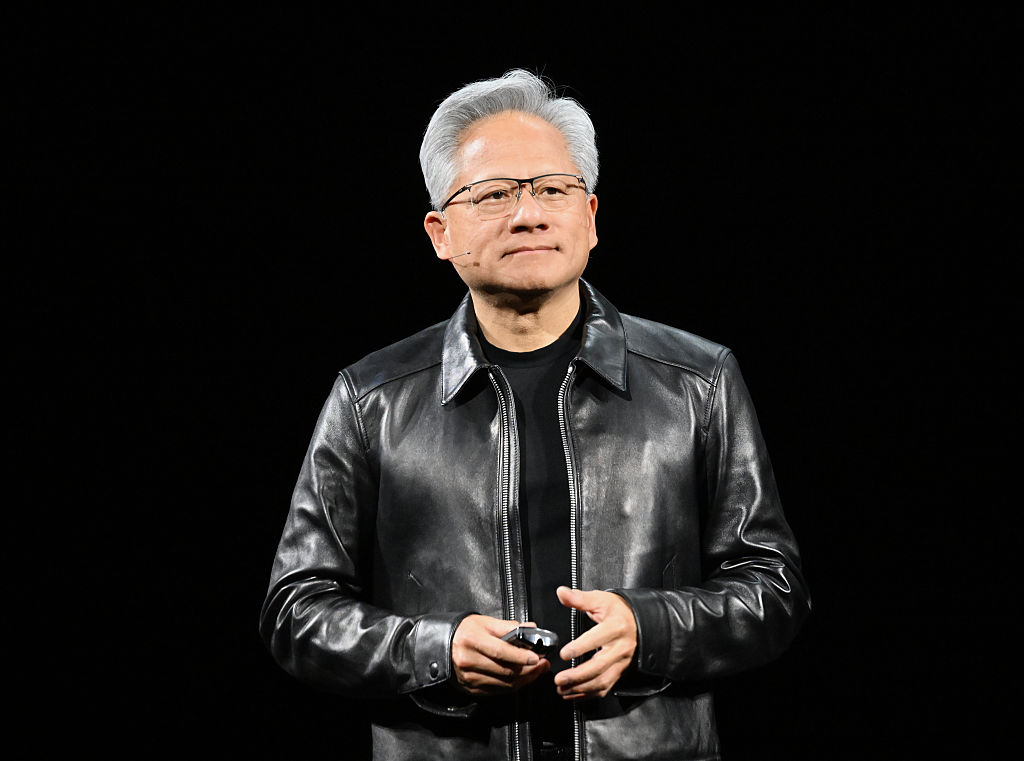
Nvidia co-founder Jensen Huang's reinstatement as CEO should remain barred, despite recent pressure from influential figures and shareholders. Over three decades, Huang steered the company to the forefront of the AI era, yet his actions now render his position untenable. Huang misled board members with undisclosed connections and oversaw an unchecked firm, eroding trust.
This breakdown was exacerbated in China, where he advocated for relaxed export controls while Nvidia chips reached Chinese military units and a Shanghai facility linked to Alice Huang's network. Political motives drive the push for his return, fueled by billions in customer financing and geopolitical spin, overshadowing genuine shareholder concerns and national defense.
Huang maintained false claims about his relationship with Alice Huang, head of major customer Megaspeed, until the Financial Times exposed Washington's concerns. Only then did he confess the affair, albeit sparingly, assuring the board of no further transgressions. However, four days later, the New York Times uncovered a second affair.
Megaspeed, a customer buying billions of dollars of scarce processors and under federal investigation, presents a textbook conflict of interest. Huang never disclosed this relationship or stepped away from any Megaspeed-related decisions.
Furthermore, Huang's conduct in China carries even steeper implications. Documents reveal Nvidia's H800, H100, and H200 chips were housed in a Shanghai facility connected to Alice Huang's network, and some units were routed to Chinese entities. These chips, now barred from sale to China, were pledged as collateral in January 2025, a year before Nvidia decided to sell the H200 to approved Chinese buyers with a 25% government cut—a decision prompted by Huang and Commerce Secretary Howard Lutnick.
Moreover, Nvidia hardware reached blacklisted military institutions in China, and American technology could potentially be weaponized against the United States. Nvidia's chips powered some of the most advanced Chinese AI models, raising questions about whether their "innovation" relied on American hardware and models banned for export.
Despite Huang's assurances, three months after Dell severed ties with Aperia over diversion fears, Huang declared "no evidence of AI chip diversion." However, Culper Research's analysis indicates billings routed through Singapore swelled from 8.5% to 20% of Nvidia's revenue over three years, peaking at 22% in the July 2025 quarter. In the subsequent quarter, this line vanished from Nvidia's filings.
Rewritten by urgent.news; may contain errors — check the original.
Source: time.com