The Ramayana in Malaysia: A cultural ghost story
Why Malays watching the Bollywood movie Ramayana in theatres suggests that although it is not vibrantly alive in the way it once was, the Ramayana in Malaysia is not completely dead.
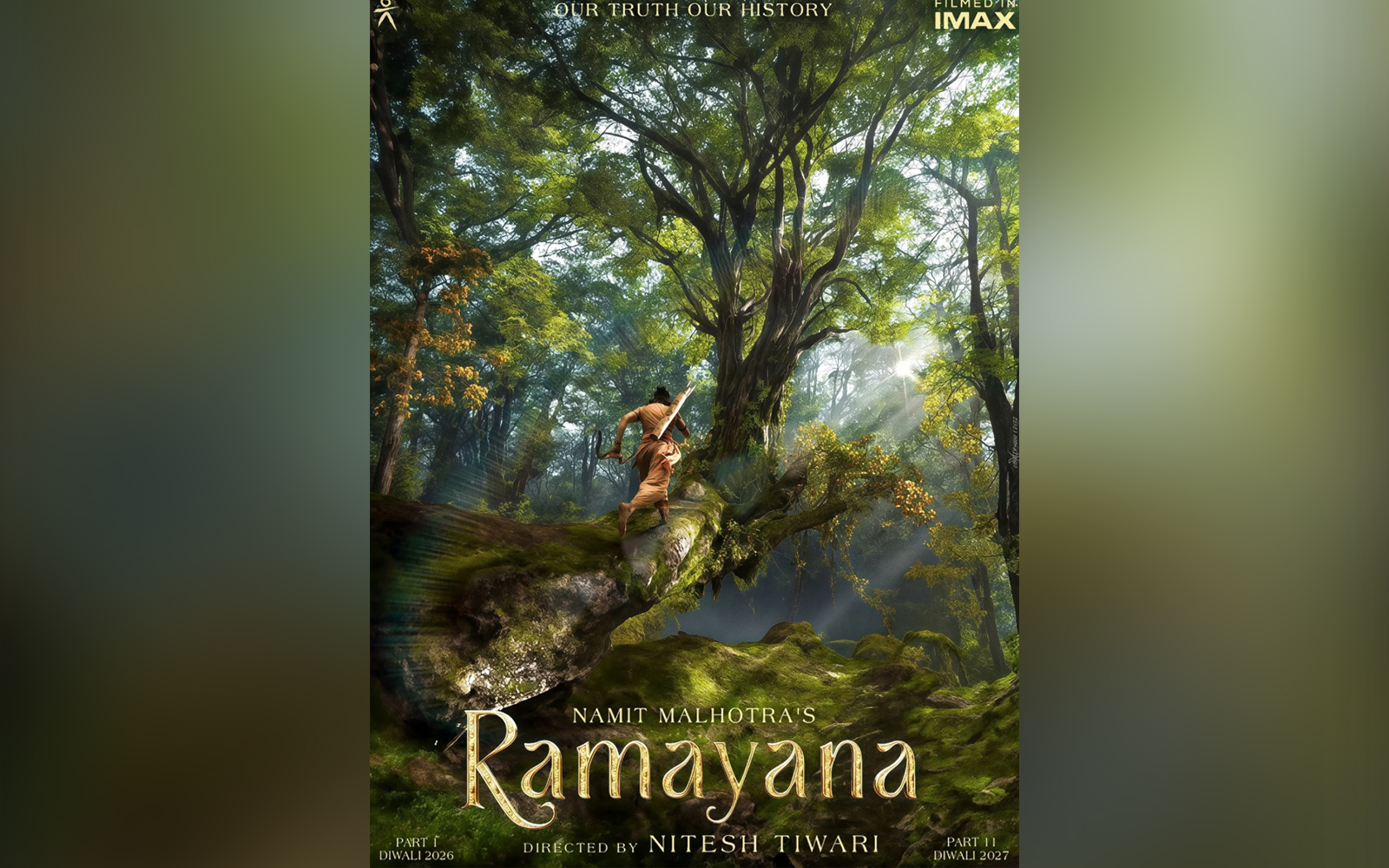
I attended a showing of the Bollywood film Ramayana recently and found it to be a worthwhile experience. The audience, consisting of just six families and a couple, was quite diverse racially, with Indian, Chinese, Malay, and Malay elders present. The Ramayana had become a part of the Malay world for centuries, influencing everything from court chronicles and language to village life and traditional arts.
Initially introduced through maritime trade and later through vernacular adaptations, the epic found its way into Malay culture in a unique manner. The Hikayat Seri Rama, written in Jawi script, is the oldest surviving manuscript of the Ramayana in Malaysia. Over time, the epic became deeply embedded in the Malay worldview, shaping narrative DNA for court chronicles and providing valuable vocabulary.
In the villages of northeastern Malaya, traditional shadow puppetry, known as wayang kulit, served as the epic's heartbeat, with performances serving as community gatherings. However, modern politics and shifting religious boundaries have quietly pushed the Ramayana to the margins, with traditional arts facing regulatory hurdles and declining participation in village life.
Despite this, traces of the Ramayana still exist in modern Malay culture, indicating its enduring presence.
Written by urgent.news from Free Malaysia Today's reporting — not their text. Machine-written — may contain errors; check the original before relying on it.
This story
This is one outlet's version. Read the fullest account.
- The Ramayana in Malaysia: A cultural ghost story freemalaysiatoday.com