The Ramayana in Malaysia: A cultural ghost story
Why Malays watching the Bollywood movie Ramayana in theatres suggests that although it is not vibrantly alive in the way it once was, the Ramayana in Malaysia is not completely dead.
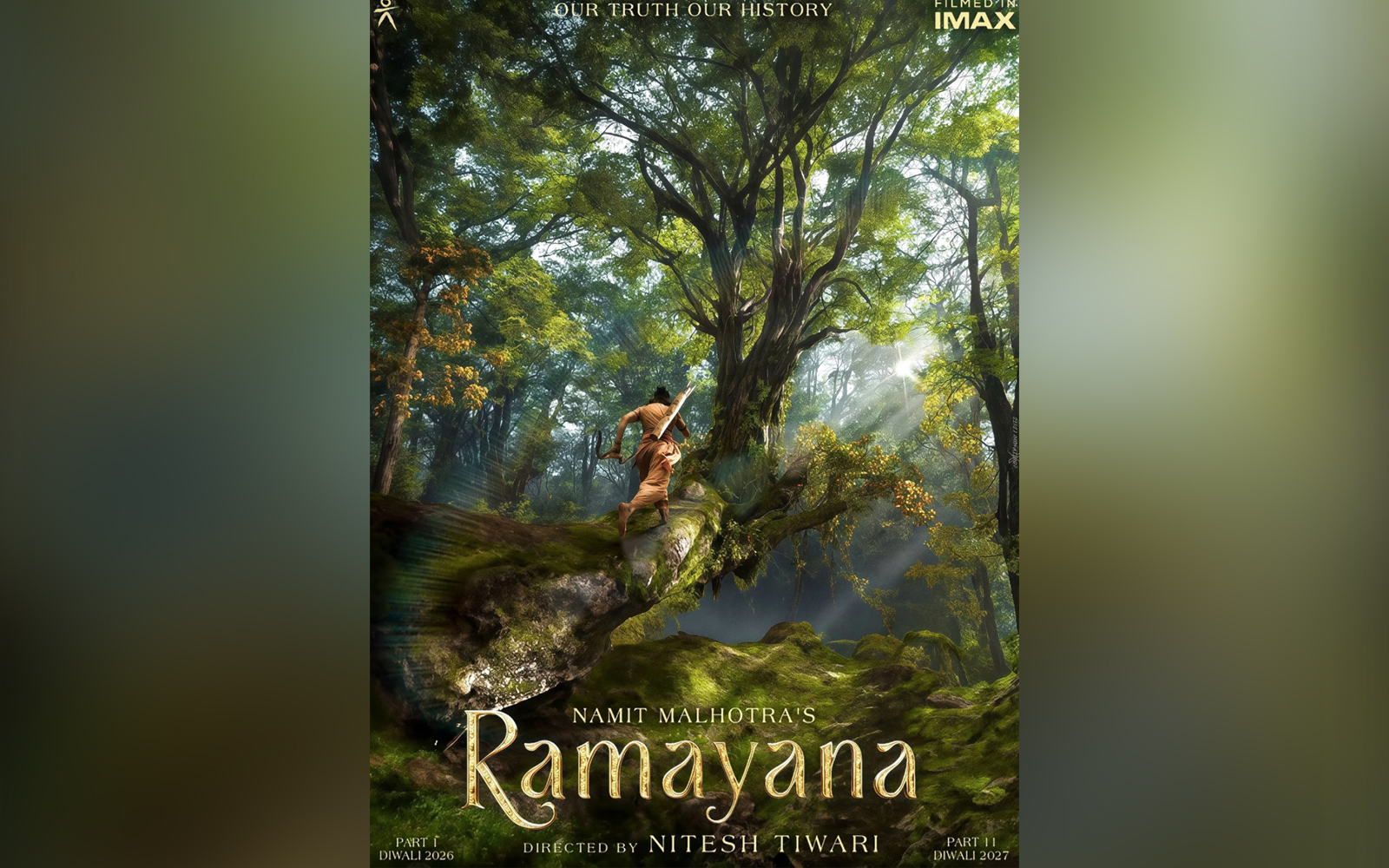
The Ramayana, an ancient Indian epic, holds a significant place in Malaysian cultural heritage. Its journey to Malaysia began in two waves: the first through maritime trade during the first millennium CE and the second with the vernacular transformation centuries later. These waves brought the epic into the Malay world, weaving it into the fabric of village life, court chronicles, and traditional performances.
The Hikayat Seri Rama, a vernacular version written in Jawi script, was one of the earliest Malay adaptations of the Ramayana. This text, along with others, was brought to England by a trading sea-captain and eventually found its way to Oxford’s Bodleian Library.
The Ramayana was not merely a foreign import but was lovingly adopted by Malays and integrated into their worldview. It served as a foundational narrative for classic court chronicles like the Sejarah Melayu and the Hikayat Hang Tuah, while also contributing valuable Sanskrit vocabulary to the Malay language.
In traditional villages, particularly in northeastern Malaya, the Ramayana found its heartbeat through performances of wayang kulit, a form of traditional shadow puppetry. These performances were a communal experience, with local folklore, humor, and Thai-Kelantanese aesthetics blending with the grand plots of the epic.
However, the golden era of the Ramayana in Malaysia has faded. Decades of regulatory constraints, particularly from the 1980s onwards, have recast traditional folk arts through a narrower ideological lens. The number of active Dalang (puppet masters) has plummeted from around 300 in 1969 to just 11 troupes in the 1999 census. The Entertainment Enactment of 1998 banned wayang kulit performances for containing un-Islamic elements, although the ban was lifted in 2019 with strict conditions.
Today, the Ramayana lingers in modern life through regional identity, digital preservation, and occasional pop-culture references. While the living village tradition has faded, the epic's influence continues to shape Malaysian culture in subtle yet profound ways.
Written by urgent.news from Free Malaysia Today's reporting — not their text. Machine-written — may contain errors; check the original before relying on it.
Other reports of this story
- The Ramayana in Malaysia: A cultural ghost story freemalaysiatoday.com