Reflect Orbital wants to launch thousands of sunlight-beaming mirrors to space — and the 1st will go up next year
Reflect Orbital is moving forward with its ambitious plan to place thousands of mirrors in Earth orbit and sell redirected sunlight after dark.
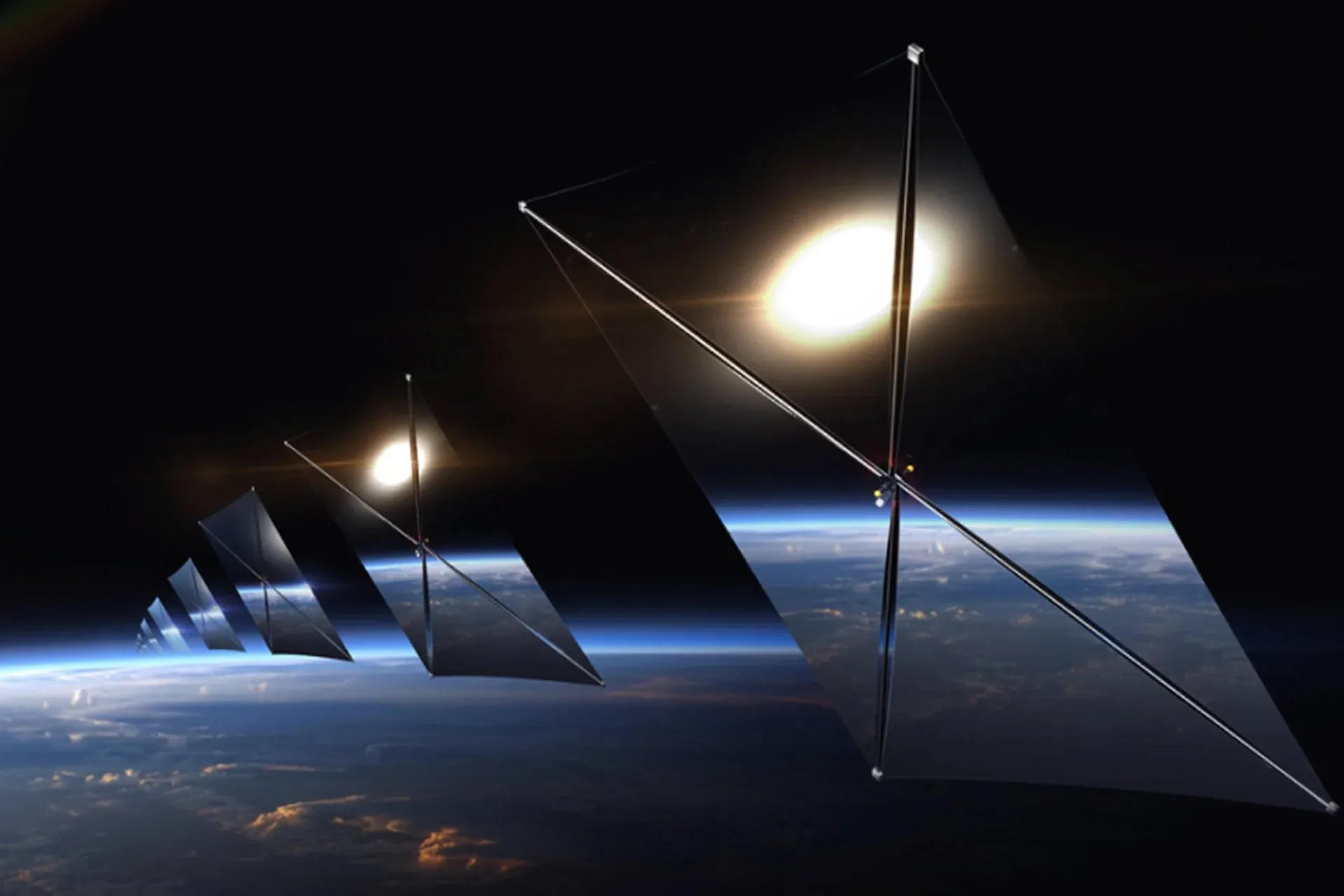
Reflect Orbital, a California-based startup, is advancing its plan to launch thousands of sunlight-beaming mirrors into Earth orbit to provide solar power around the clock. The company secured $73.5 million in new funding on Tuesday, bringing its total raised capital to over $100 million. The U.S. government has given the green light for the company to test the concept in space, with its first test satellite poised to launch in Q2 2027.
In preparation for its launch, Reflect Orbital recently conducted a ground-based test in California, utilizing spotlights to simulate the illumination its satellites would provide. This test, aimed at supporting applications such as search and rescue operations and solar farms, ran from 7 p.m. to midnight. The company plans to sell sunlight after dark, extending the operational hours and output of solar farms globally.
Reflect Orbital is also purchasing two launches from Skyroot Aerospace, an Indian private space company, to deploy its spacecraft. This move ensures a reliable schedule and capacity for the company's planned missions. The company has a license from the U.S. Federal Communications Commission (FCC) for one satellite, which will test the technology and its regulatory aspects, providing valuable data for future satellite designs.
The ultimate goal for Reflect Orbital is to have at least 50,000 satellite mirrors in orbit by 2035, although this plan has faced criticism from some in the astronomy community due to potential light pollution concerns.
Written by urgent.news from Space.com's reporting — not their text. Machine-written — may contain errors; check the original before relying on it.