Q&A: Why building math muscles remains important in the AI era
Assistant Professor John Urschel explains why learning the fundamental skills of mathematics is still essential despite the evolution of AI tools.
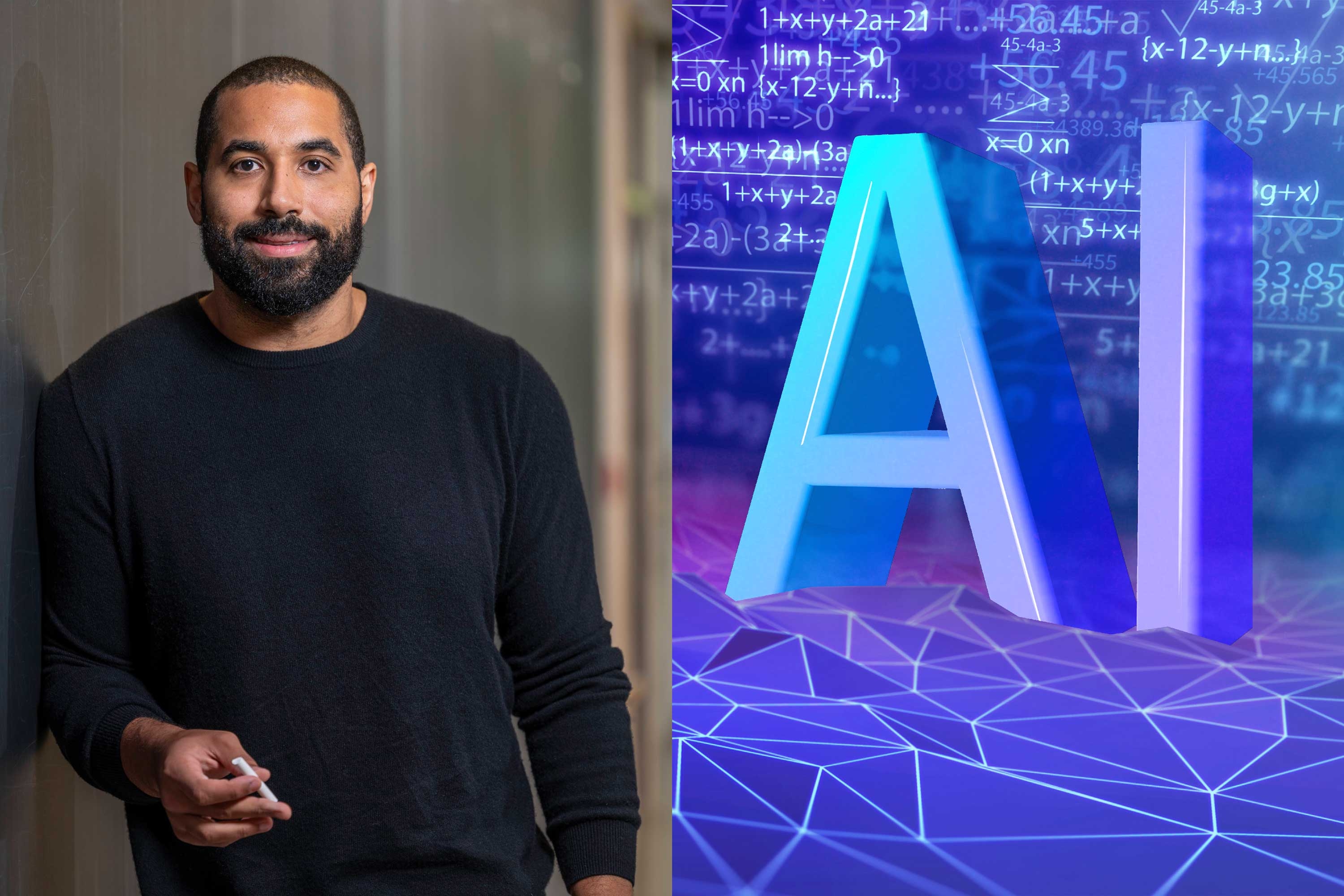
John Urschel, a former Baltimore Ravens lineman and MIT mathematics professor, emphasizes the importance of developing critical thinking skills in an AI-driven world. In the classroom, Urschel aims to help students hone their problem-solving abilities and foster their quantitative thinking. He published two papers on arXiv, utilizing both human insight and AI tools to solve complex mathematical problems that had puzzled experts for years.
Urschel's fascination with mathematical puzzles began in his youth, and he believes this love for problem-solving is central to his approach to teaching mathematics. He wants his students to develop a strong foundation in quantitative thinking and problem-solving techniques that they can apply across various disciplines. While AI can assist in solving mathematical problems, Urschel stresses that the joy of problem-solving is most rewarding when achieved independently, without the aid of AI.
He believes that cultivating an independent sense of curiosity and understanding is crucial in the age of AI, as it allows students to internalize and communicate knowledge effectively.
Despite the benefits of AI in education, Urschel acknowledges that there is a double-edged nature to modern technology. While AI offers unparalleled access to vast amounts of knowledge and faster learning, it also poses the risk of hindering students' ability to think critically and develop problem-solving skills. Urschel maintains that building these skills remains essential, even as AI continues to transform the educational landscape.
Written by urgent.news from MIT News AI's reporting — not their text. Machine-written — may contain errors; check the original before relying on it.