Technical hurdles complicate efforts to curb AI cheating
Korea is on high alert as cases of cheating using smart glasses and other artificial intelligence (AI)-powered devices unnerve students ahead of this year’s College Scholastic Ability Test (CSAT) on Thursday. However, technical hurdles are complicating efforts to prevent such devices from being used during the exam. The government is considering whether to disable public Wi-Fi services at all…
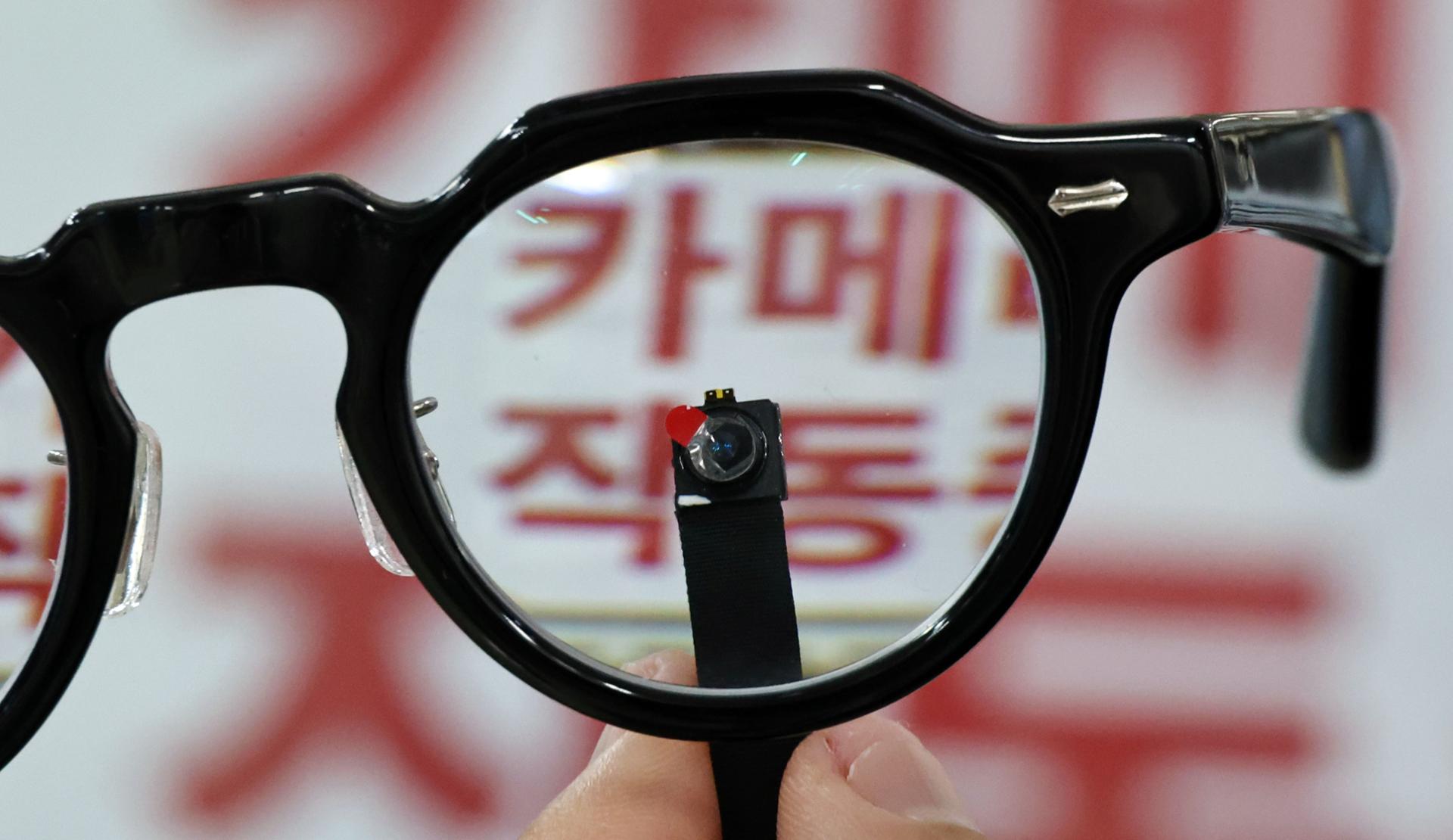
Korea is on high alert as cheating cases using smart glasses and AI-powered devices concern students ahead of the upcoming College Scholastic Ability Test (CSAT) on Thursday. However, technical obstacles are posing challenges to prevent such devices from being employed during the exam.
The government is contemplating to disable public Wi-Fi services at all test sites during the exam, yet uncertainties persist regarding the efficacy of this approach. Most smart glasses available commercially necessitate a distinct internet connection for accessing AI capabilities. As long as a connected smartphone maintains access to a mobile network, the glasses can continue utilizing AI functions without relying on Wi-Fi.
Miniaturized cameras, which have gained attention following the top scorer of the nation's tax accountant licensing exam admitting to cheating using one connected to generative AI, can also establish a connection with smartphones through Bluetooth or tethering links. Consequently, disabling Wi-Fi networks at test sites might prove ineffective.
Despite uncertainties about its effectiveness, the government remains committed to addressing the issue of AI cheating.
Written by urgent.news from The Korea Times's reporting — not their text. Machine-written — may contain errors; check the original before relying on it.