FEMA has a cord-cutting problem
On Tuesday, countless TV viewers will find their favorite shows interrupted for a one-minute test of the Federal Emergency Management Agency’s Emergency Alert System (EAS). The test will cut into live broadcasts and cable reruns alike, and also be heard on radio stations across the country. However, anyone getting their TV fix from Netflix, Disney+, or any other streaming service likely won’t…
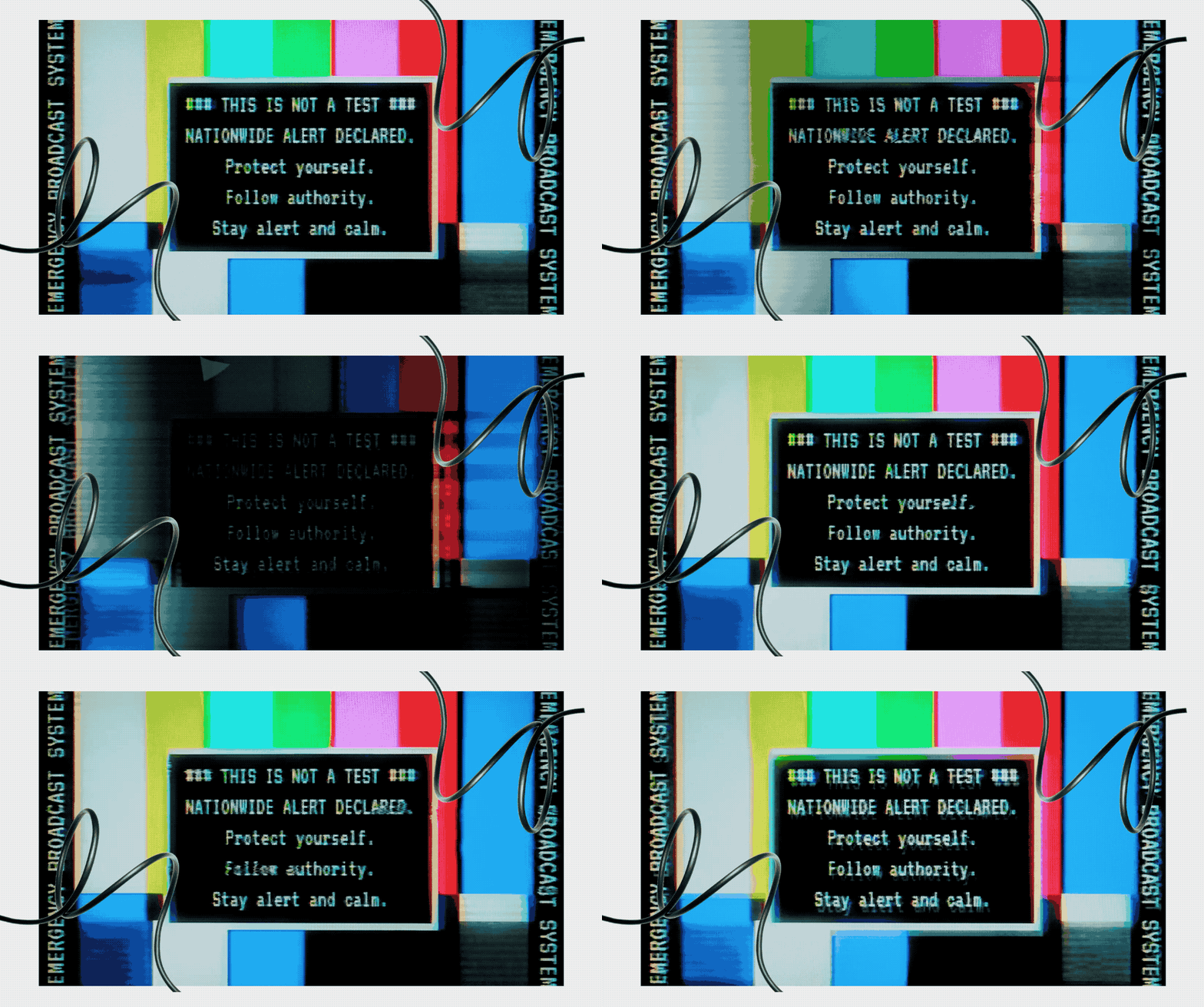
On Tuesday, TV viewers will be temporarily interrupted for a one-minute test of the Federal Emergency Management Agency’s Emergency Alert System (EAS). However, the test is unlikely to affect those who primarily stream their entertainment, such as Netflix or Disney+. According to recent Nielsen data, half of American TV viewers are now consuming content through digital platforms like YouTube and Amazon Prime.
This raises concerns about the effectiveness of emergency alerts in reaching modern consumers. Experts argue that emergency alert systems need to adapt to the changing media landscape to ensure they reach people where they spend their time. Federal emergency alerts have been around since the 1950s, with the most recent updates including mobile alerts in 2012.
Yet, regulators and emergency management officials have struggled to keep up with the rapid changes in media consumption habits. Some virtual pay TV operators, such as YouTube TV, Fubo, and Hulu + Live TV, do not participate in the EAS, meaning their subscribers may miss out on emergency alerts. While these streaming services could technically receive emergency alerts via antenna using the upcoming ATSC 3.0 broadcast standard, there are no regulations in place mandating this capability.
Instead, advocates suggest investing in community infrastructure and strengthening neighbor-to-neighbor communication to enhance emergency preparedness.
Rewritten by urgent.news; may contain errors — check the original.
Source: fastcompany.com