Ebola exposes Covid’s unlearnt lessons
The world learnt painful lessons from the Covid-19 pandemic. It showed what scientific co-operation could achieve by developing vaccines at unprecedented speed, and improving genomic sequencing and diagnostics. Yet the latest Ebola epidemic in the Democratic Republic of the Congo suggests that turning those advances into public-health protection remains unfinished business. Six months after the…
The world has learned valuable lessons from the Covid-19 pandemic, particularly in scientific collaboration for swift vaccine development, genomic sequencing, and diagnostics. However, the current Ebola outbreak in the Democratic Republic of the Congo indicates that translating these advances into effective public health protection is still an ongoing challenge.
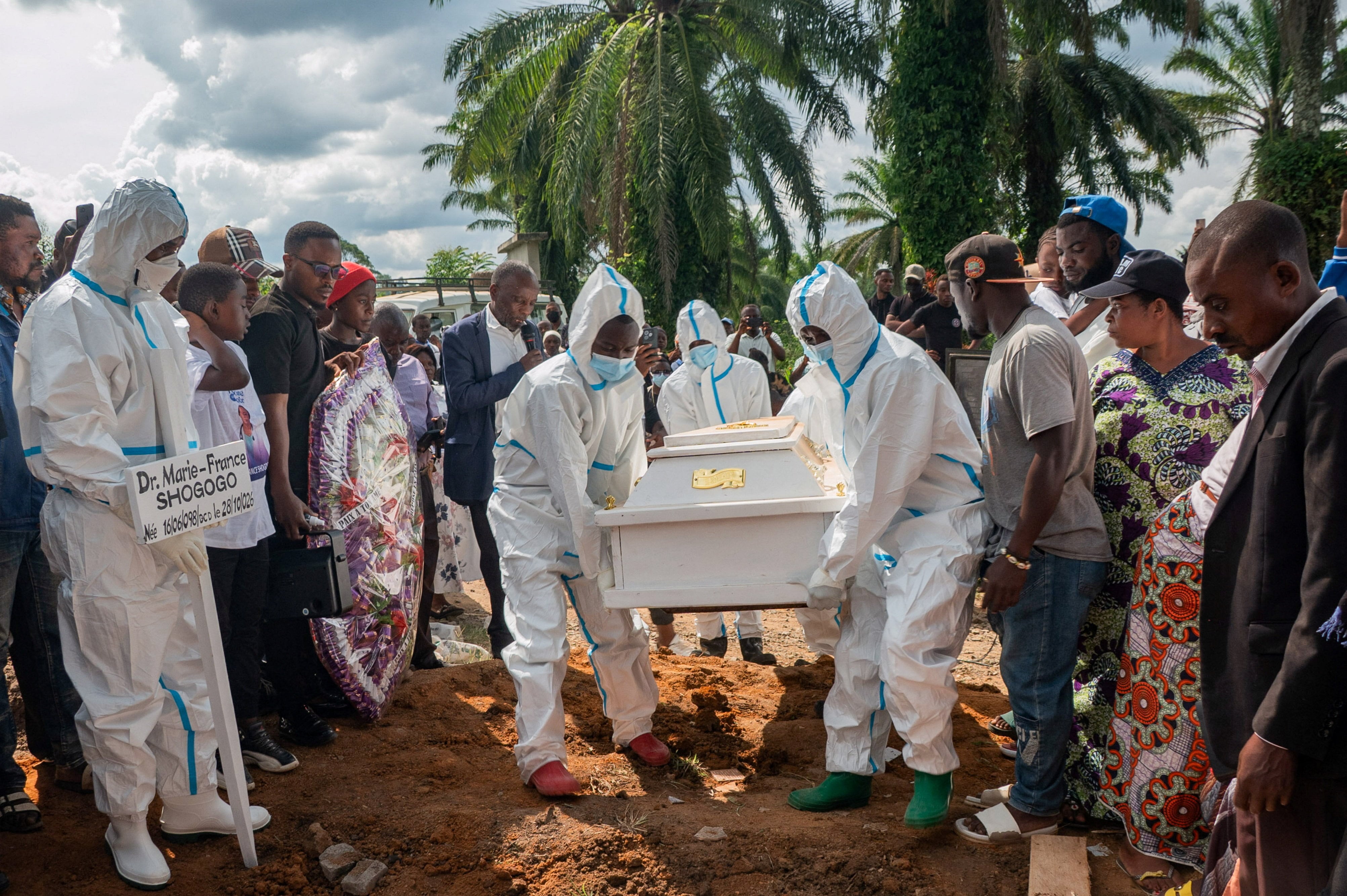
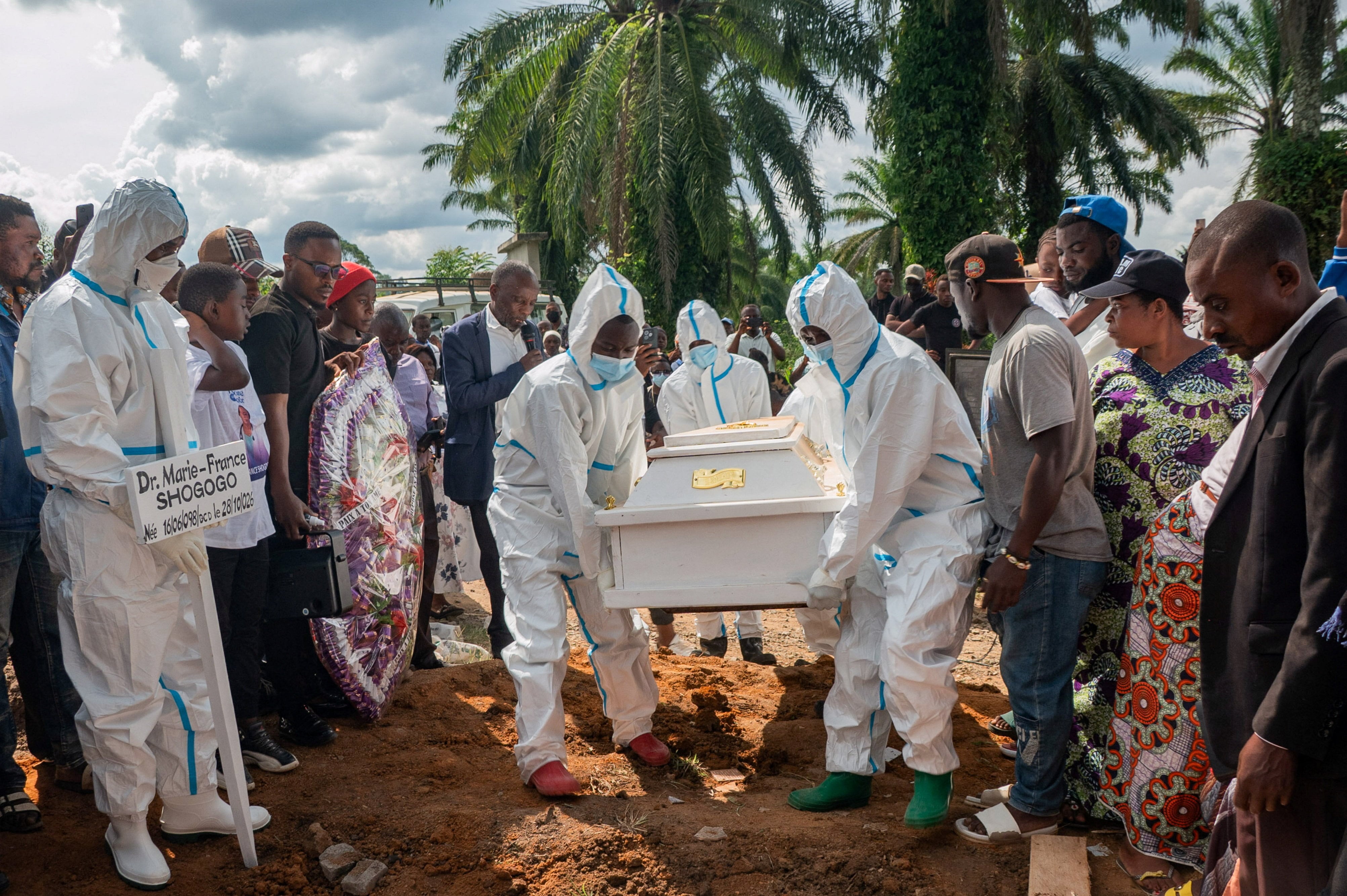
Six months after the outbreak declaration, the World Health Organization reports the epidemic is not under control, with many cases arising without clear connections to previous infections, highlighting the failure of contact tracing efforts. This situation results from various issues, including unpaid health workers, fuel shortages for surveillance teams, equipment scarcity, and insufficient support for those treating suspected cases.
Over 11,000 individuals have been infected, with nearly half succumbing to the virus, making it the deadliest outbreak in the country's history. These failures point to local response weaknesses, primarily fragmented coordination and inadequate oversight. Allocations of hundreds of millions of dollars for the response remain unaccounted for, necessitating further investigation.
Factors such as conflict, porous borders, and distrust further complicate the situation. Meanwhile, the coronavirus continues to spread with a new variant, although experts have not found compelling evidence that it causes more severe disease than prior strains. The International Panel for Pandemic Preparedness and Response stresses that outbreaks can become emergencies when warning signs are overlooked, community health care is neglected, and investments wane between crises.
The Pandemic Agreement, adopted by WHO member states in May 2021, aimed to rectify these inadequacies through stronger international collaboration and equitable access to vaccines, diagnostics, and treatments. However, the agreement cannot proceed until its pathogen-sharing annex is adopted, anticipated no sooner than May 2022, due to disagreements over equitable benefits for developing countries receiving pathogen samples.
While international collaboration alone cannot resolve local challenges in the Congo, it can foster cooperation among nations if supported by resources and political commitment. As confirmed cases of the virus have surfaced in Kenya and Nigeria, it underscores that infectious diseases transcend national borders, and weaknesses in one country's health system can pose threats to others.
Ultimately, the measure of the world's progress from the lessons learned during Covid-19 will not solely depend on the speed of vaccine development—though that is crucial—but rather on its ability to detect, contain, and prevent the next outbreak before it escalates into a pandemic.
Written by urgent.news from The National Business's reporting — not their text. Machine-written — may contain errors; check the original before relying on it.
This story
This is one outlet's version. Read the fullest account.
- Ebola exposes Covid’s unlearnt lessons thenationalnews.com