Ebola exposes Covid’s unlearnt lessons
The world learnt painful lessons from the Covid-19 pandemic. It showed what scientific co-operation could achieve by developing vaccines at unprecedented speed, and improving genomic sequencing and diagnostics. Yet the latest Ebola epidemic in the Democratic Republic of the Congo suggests that turning those advances into public-health protection remains unfinished business. Six months after the…
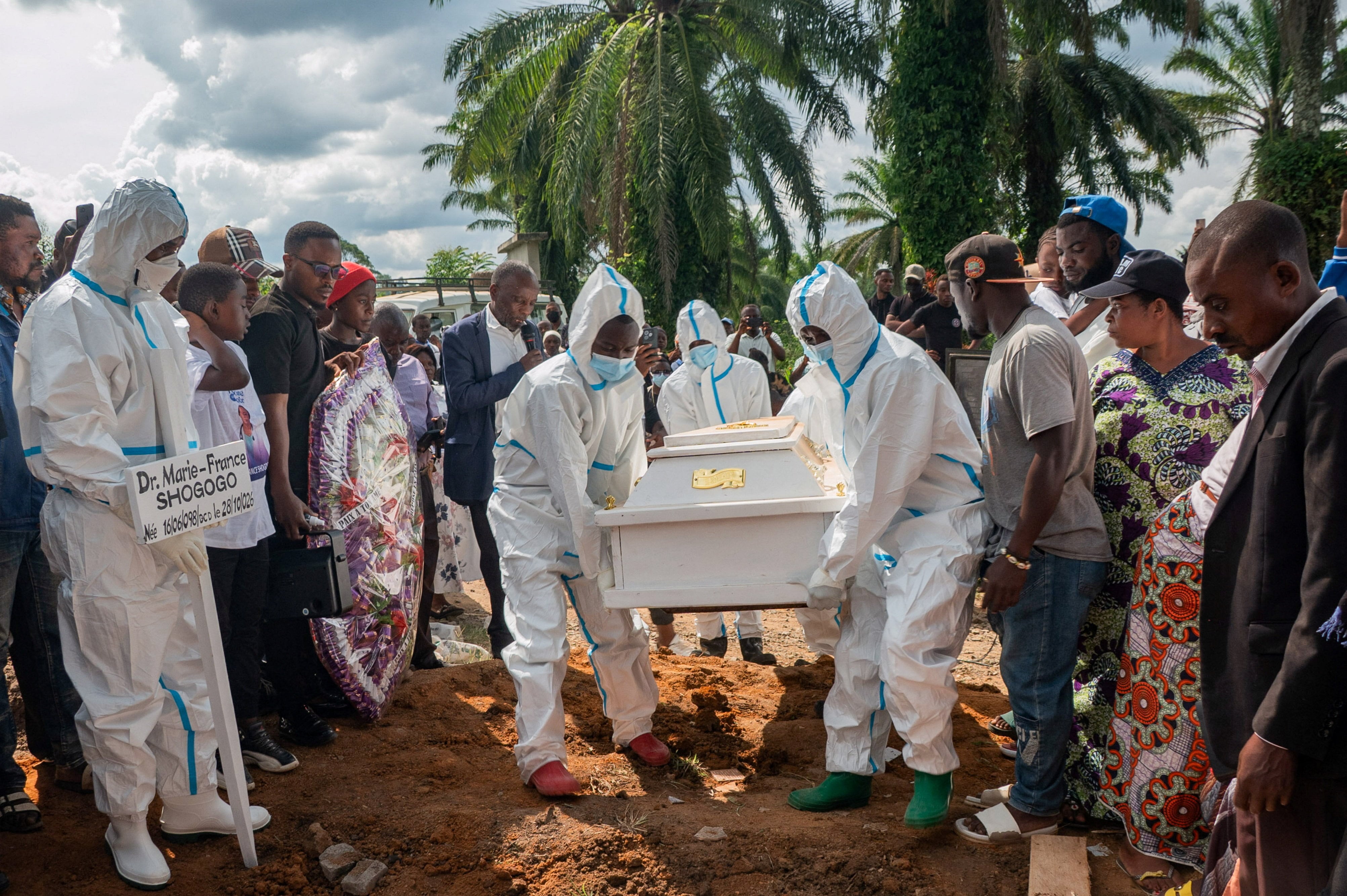
The recent Ebola epidemic in the Democratic Republic of the Congo has revealed the unfinished business of turning scientific advancements into effective public health protection, despite the lessons learned from the Covid-19 pandemic. Six months into the outbreak, Doctors Without Borders reports that the disease is not under control, with many cases showing no apparent links to previous infections, indicating a breakdown in contact tracing efforts.
Several issues contribute to this, including unpaid health workers, teams lacking fuel for surveillance, shortages of protective equipment, and insufficient support for those treating suspected cases. Over 11,000 people have been infected, with nearly half of them succumbing to the virus, making it the deadliest outbreak in the country's history.
These failures suggest weaknesses at the local level, primarily due to fragmented coordination and poor oversight. Despite significant funding, billions of dollars intended for the response remain unaccounted for, necessitating further investigation. Factors such as conflict, porous borders, and mistrust further complicate the situation.
The ongoing Covid-19 pandemic, with its new variant, serves as a reminder that the virus continues to evolve, necessitating continuous surveillance to detect changes and protect vulnerable populations. Experts caution against complacency, emphasizing that the virus's mutation poses a risk to those who remain susceptible. As long as the virus persists, monitoring and detection are crucial.
The International Panel for Pandemic Preparedness and Response emphasizes that outbreaks become emergencies when warning signs are overlooked, community health care is neglected, and investment wanes between crises. A recent report highlights that the Pandemic Agreement, aimed at enhancing international cooperation and equitable access to vaccines, diagnostics, and treatments, is yet to come into effect due to disagreements over pathogen-sharing agreements.
Wealthier nations favor access to samples for developing lucrative medicines, while poorer countries demand guarantees that resulting vaccines and treatments will be accessible. The agreement faces a delay until next May as it awaits the adoption of its pathogen-sharing annex. While international collaboration is vital, it cannot alone address local challenges, as seen in the Ebola outbreak in Congo.
However, it can facilitate collective action if supported by resources and political commitment. The true measure of the lessons learned from Covid-19 will not be the speed of vaccine development but rather the ability to detect, contain, and prevent the next outbreak before it escalates into a pandemic.
Written by urgent.news from The National UAE's reporting — not their text. Machine-written — may contain errors; check the original before relying on it.
Other reports of this story
- Ebola exposes Covid’s unlearnt lessons thenationalnews.com