Cop31 negotiators unveil draft deal as fossil fuel divisions persist
Negotiators at the Cop31 talks in Turkey on Monday published an 18-page draft deal as part of their efforts to narrow the gaps between dozens of countries over the use of fossil fuels and providing money to help poorer countries tackle the effects of climate change.
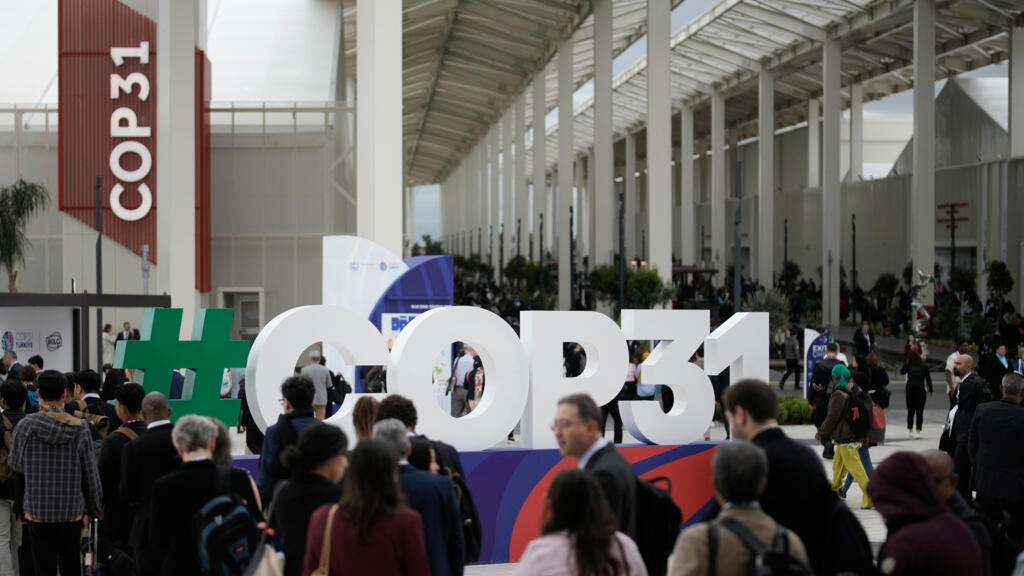
Finance ministers from around the globe convened at COP31 in Antalya, Turkey, to address the economic impact of energy and climate change. The 2026 United Nations climate talks are focused on the tangible effects of climate change, such as severe storms and heatwaves, alongside the ongoing global energy crisis. A recent UN report revealed that global temperatures are projected to surpass the 1.5-degree Celsius threshold, which countries aimed to prevent a decade ago, due to escalating climate risks.
The Middle East conflict has led to volatility in oil and gas prices and supply, exacerbating economic instability as energy and food prices soar. Nations heavily dependent on imported fossil fuels for energy have suffered the most. Countries actively promoting renewable energy have comparatively fared better during the crisis. For instance, Pakistan's rapid expansion of rooftop solar power over the past six years has helped the country avoid more than $12 billion in fossil fuel imports, even before the U.S. and Israel's war with Iran began in February 2026. Forecasts suggest solar energy could save Pakistan an additional $6 billion by the year's end.
On a global scale, countries are collaborating to promote the adoption of clean energy and assist poorer nations in adapting to climate change and expanding renewable energy sources. International climate negotiations and discussions under the U.N.'s Global Climate Action Agenda are focused on accelerating clean energy use and providing resources to vulnerable countries.
Leaders are increasingly concerned about the economic burdens and social consequences of fossil fuels. After two years of pressure from the Trump administration to halt climate change efforts, a rising sense of urgency among world leaders is evident.
One proposed solution is to gradually increase the share of electricity in total energy consumption. Co-presidents of COP31, representing Turkey and Australia, have set a target of 35% of all energy use coming from electricity by 2035, including for transportation and industry. This could result in $400 billion in annual savings for energy-importing countries, according to the International Energy Agency.
The electrification approach could slash emissions across transportation, buildings, and industry by up to 55% by 2035. However, the source of this electrification is crucial. To stay within the 1.5-degree Celsius limit, at least 78% of the world's electricity must be generated from renewable sources.
Electrification offers both climate and energy security benefits if it is powered by clean energy rather than oil, gas, and coal. However, achieving this goal will require addressing several challenges, including the cost of clean energy infrastructure and implementing policies to encourage the transition. Beyond formal negotiations, countries are exploring various initiatives to provide technical assistance to one another as they develop power grids capable of handling the variability of solar and wind power and provide financial support to nations in need.
The growing dissatisfaction of voters with the costs and environmental impacts of fossil fuels has also fostered political shifts. Recent elections in Brazil and the United States have seen leaders elected who favor clean, affordable energy solutions, signaling a growing global trend toward prioritizing sustainable energy systems.
Rewritten by urgent.news; may contain errors — check the original.
This story
This is one outlet's version. Read the fullest account.
- How the US elections and Iran war are influencing the UN’s COP31 climate talks – and discussions around fossil fuels theconversation.com
- UN climate chief urges speed as COP31 confronts fossil fuel divide freemalaysiatoday.com
- UN climate chief urges speed as COP31 confronts fossil fuel divide al-monitor.com
- COP31 is once again shying away from a fossil fuel exit but one European country is taking the leap euronews.com