UN climate chief urges speed as COP31 confronts fossil fuel divide
The annual UN climate conference faces new challenges this year as a slew of crises, from war to inflation, push global warming down the list of priorities for world governments.
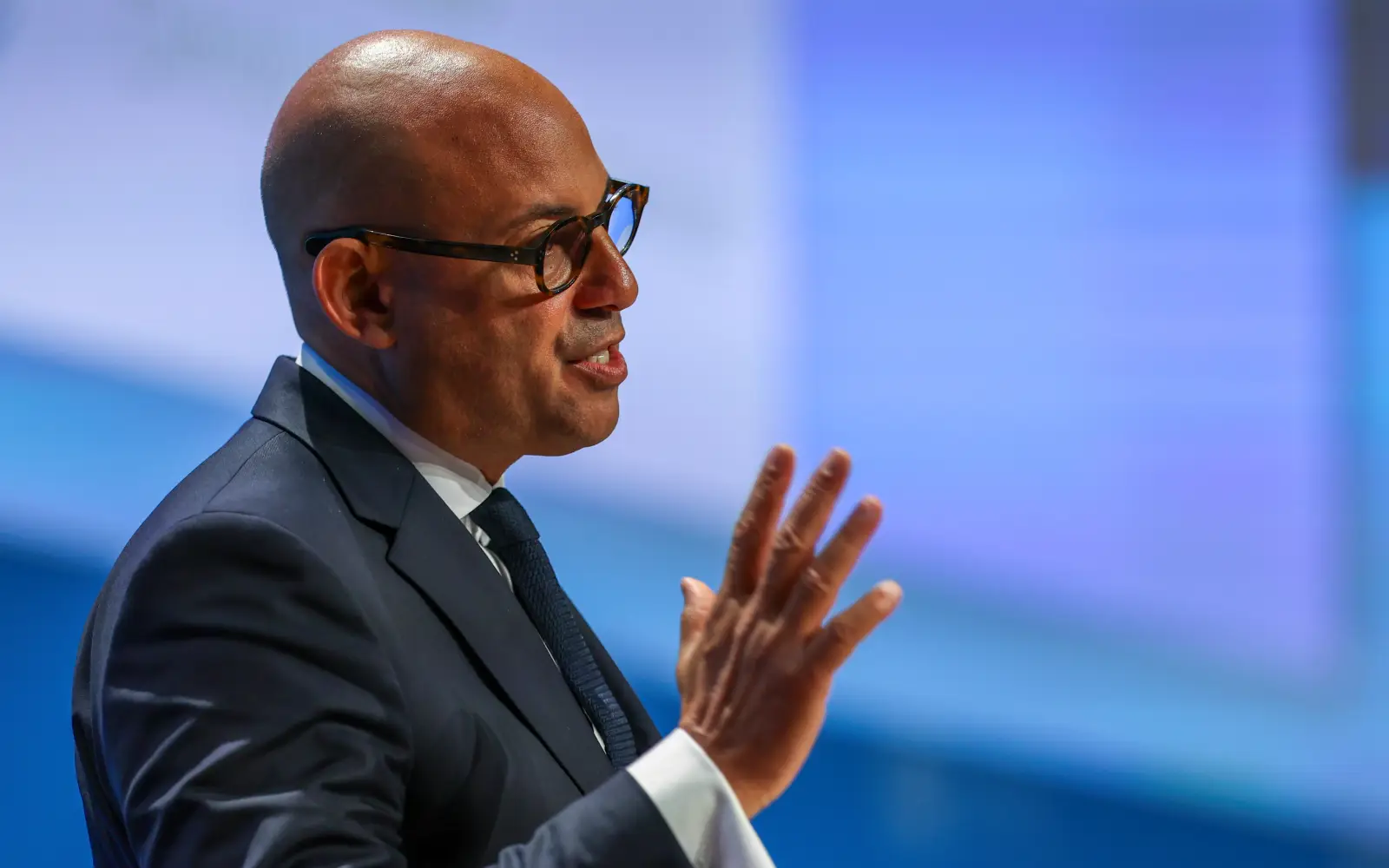
UN climate chief Simon Stiell implored delegates at the COP31 conference in Turkey to expedite negotiations and avert delays as the summit entered its second and final week. The annual UN climate conference confronts fresh difficulties this year, as global warming is relegated to a lower priority by wars, inflation, and other crises worldwide.
Each nation possesses its perspective and its voice, and reaching consensus on every word is arduous yet crucial work, Stiell conveyed. Compromise from all parties is indispensable for collective success.
During the second week of the summit, Stiell urged parties to advance rapidly to the most challenging issues and refrain from tactical delays. Major fossil fuel producers and consumers at the talks are resisting any agreement that would prescribe stringent new targets or a transition away from oil, gas, and coal, presenting a challenge for summit host Turkey and lead negotiator Australia to forge an ambitious deal that climate advocates deem necessary to curb global warming.
A UN report released last month revealed that the world is already on track to surpass the 1.5°C (2.7°F) warming threshold, a limit scientists assert would stave off the worst consequences of climate change. Turkey, the host of COP31, is attempting to position a proposal to broaden global electrification at the heart of any eventual agreement, asserting that the plan will hasten emissions reductions by expediting the shift away from fossil fuel-powered vehicles, boilers, furnaces, and other equipment.
However, the proposal does not necessitate that the additional electricity generation originate from renewable sources, disappointing observers and delegations that desire countries to outline a more explicit pathway away from fossil fuels.
Notable oil producers like Saudi Arabia and Russia have historically opposed language limiting fossil fuels, while major developing economies such as India have balked at measures they deem could curtail their development and energy choices, a divergence that has undermined past deal outcomes. The world’s largest oil consumer, the United States, has boycotted the talks for the second consecutive year under President Donald Trump, who has dismissed global warming as a hoax and advocated for continued reliance on fossil fuels.
When queried about the progress in the negotiations, Stiell remarked, "All I can say at this point is that engagement has been constructive. We are aware of where those inherent tensions reside."
Written by urgent.news from Free Malaysia Today's reporting — not their text. Machine-written — may contain errors; check the original before relying on it.