China’s grip on Top500 remains uncontested as US chases AI-HPC fusion
In the age of AI, the top spot on the bi-annual ranking is whoever willing to run HPL instead of LLMs
The latest Top500 list of supercomputers has been released, but there has been no significant change. China continues to dominate with the most powerful supercomputer on the biannual ranking, while the United States is significantly lagging behind. The Chinese LineShine supercomputer tops the list with a staggering 2.2 exaFLOPS, measured by the High Performance Linpack (HPL) benchmark, which is roughly 22% ahead of the United States' most powerful machine, El Capitan at the Lawrence Livermore National Laboratory.
However, LineShine may not be the most efficient, as it consumes 42.2 megawatts, resulting in a higher power bill. The top spot is secure, and US export controls have prevented the National Supercomputing Centre in Shenzhen (NSCS) from accessing American GPUs. Most of the 45,360 CPUs in LineShine, each equipped with 304 Arm v9.2 cores, were used to achieve this feat.
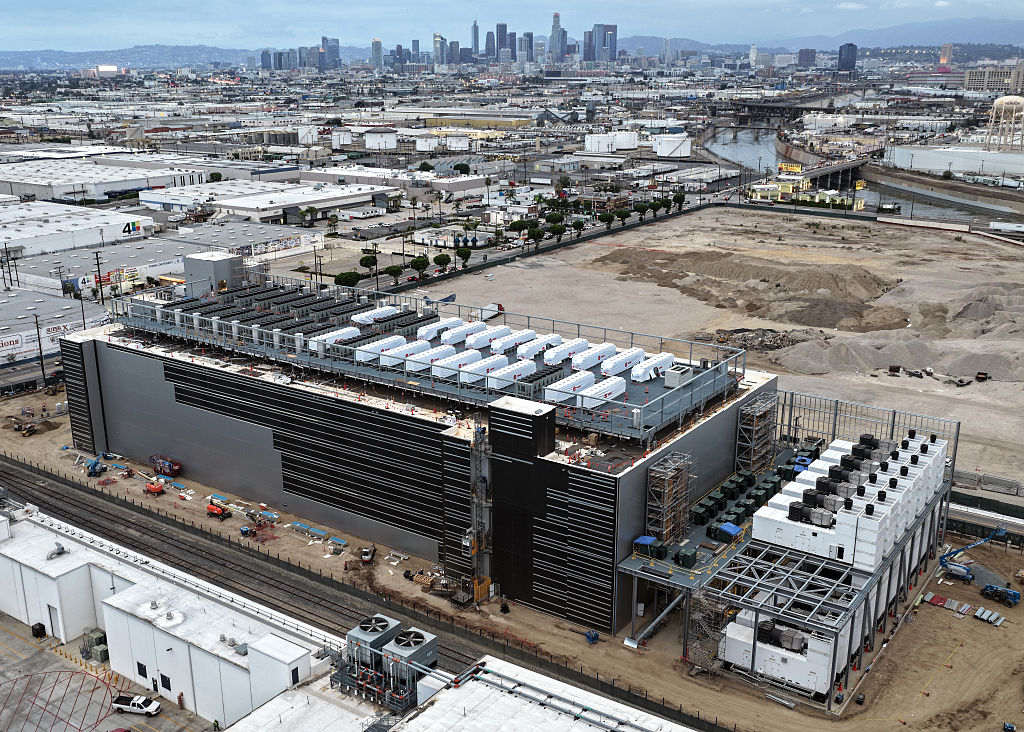
The United States is unlikely to reclaim the number one spot anytime soon, but not for a lack of trying. The Department of Energy's Genesis Mission aims to deploy at least nine new supercomputers, most of which will be smaller or AI-focused systems, with few truly large ones. The Oak Ridge National Laboratory's Lux supercomputer, built in collaboration with HPE and AMD, delivers 220 petaFLOPS of double-precision grunt in HPL, but it will have to settle for number 14 in this fall's Top500 ranking.
The upcoming Discovery system at ORNL, powered by AMD Venice CPUs and Instinct MI430X GPUs, is expected to deliver between 3x to 5x the performance of Frontier, giving it a Rpeak between 5.1 and 8.5 exaFLOPS at FP64. Despite China's impressive scale, they have proven that power is not the sole determinant of top rankings.
Written by urgent.news from The Register's reporting — not their text. Machine-written — may contain errors; check the original before relying on it.