Over 400 American AI Data Centers Use As Much Electricity As Wisconsin, Michigan, or Indiana
Scientists quantify the energy used and emissions released by hyperscale data centers.
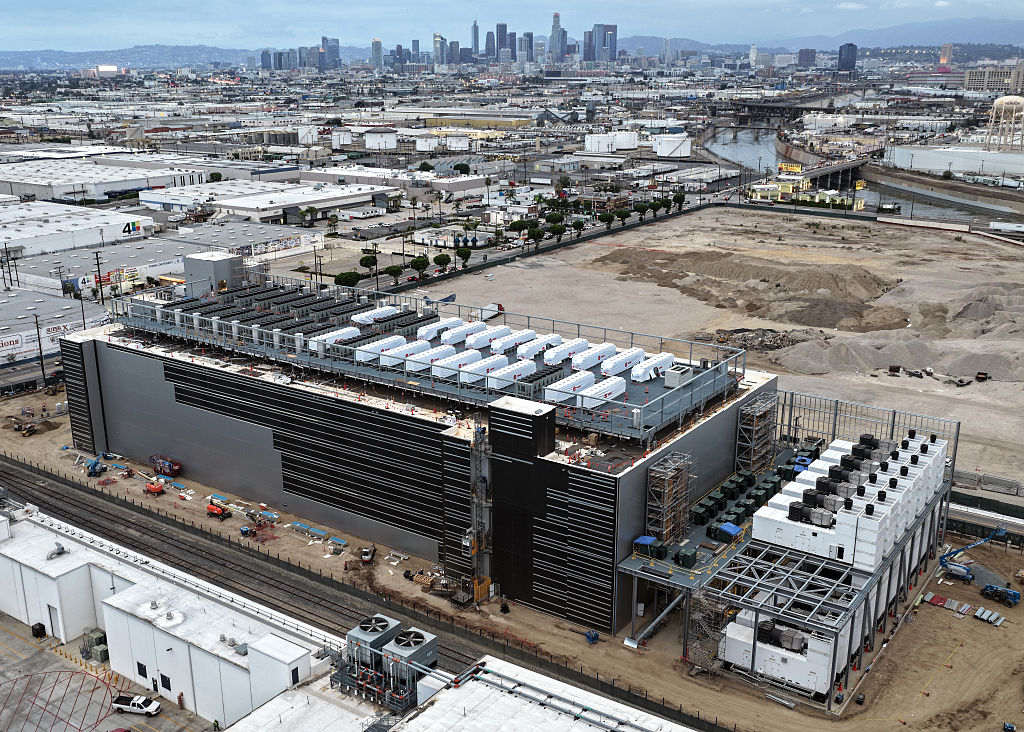
A new study published in Nature Sustainability reveals that America's hyperscale data centers, which are vital for AI model training and operation, consume as much electricity as some entire U.S. states, including Wisconsin, Michigan, and Indiana. Between 2019 and 2024, the global number of data centers doubled to over 1,100, with more than half located in the United States. Synergy projects that U.S. data center capacity will double again in the next three years due to the rise of hyperscale centers.
The research, led by Francesca Dominici from the Harvard Data Science Initiative, provides the first facility-level estimates of electricity use and carbon dioxide emissions from hyperscale data centers since the AI boom. Using satellite imagery, the team identified 403 hyperscale data centers across the U.S. and estimated their annual electricity consumption between May 2024 and April 2025 under various scenarios.
The findings show that these facilities use between 68 and 99 terawatt-hours (TWh) of electricity annually, equivalent to the consumption of Indiana, Michigan, and Tennessee combined. In the lower estimate, the data centers consume electricity similar to what Wisconsin and Minnesota households use annually.
Fossil fuels, particularly natural gas and coal, power over half of the data centers' electricity. The cumulative carbon dioxide emissions from these facilities amount to approximately 25.7 million metric tons, comparable to Denmark's annual emissions. Notably, four states - Virginia, Oregon, Ohio, and Iowa - account for half of the electricity consumption of all studied data centers.
While Virginia, Iowa, and Ohio have the highest emissions, Oregon emits significantly less due to its cleaner energy grid. The study emphasizes that geographic location influences environmental impacts, with data centers in Wyoming producing seven times more carbon dioxide per unit of electricity compared to those in Oregon.
Written by urgent.news from Time's reporting — not their text. Machine-written — may contain errors; check the original before relying on it.