Archaeologists uncover a witness to the Neolithic revolution
Radiocarbon dating and isotope analysis of an immaculately preserved skeleton from Mesolithic Denmark indicate that the individual lived through the introduction of agriculture and adapted his diet to the change, providing a unique "eyewitness account" of one of humanity's most significant technological revolutions.

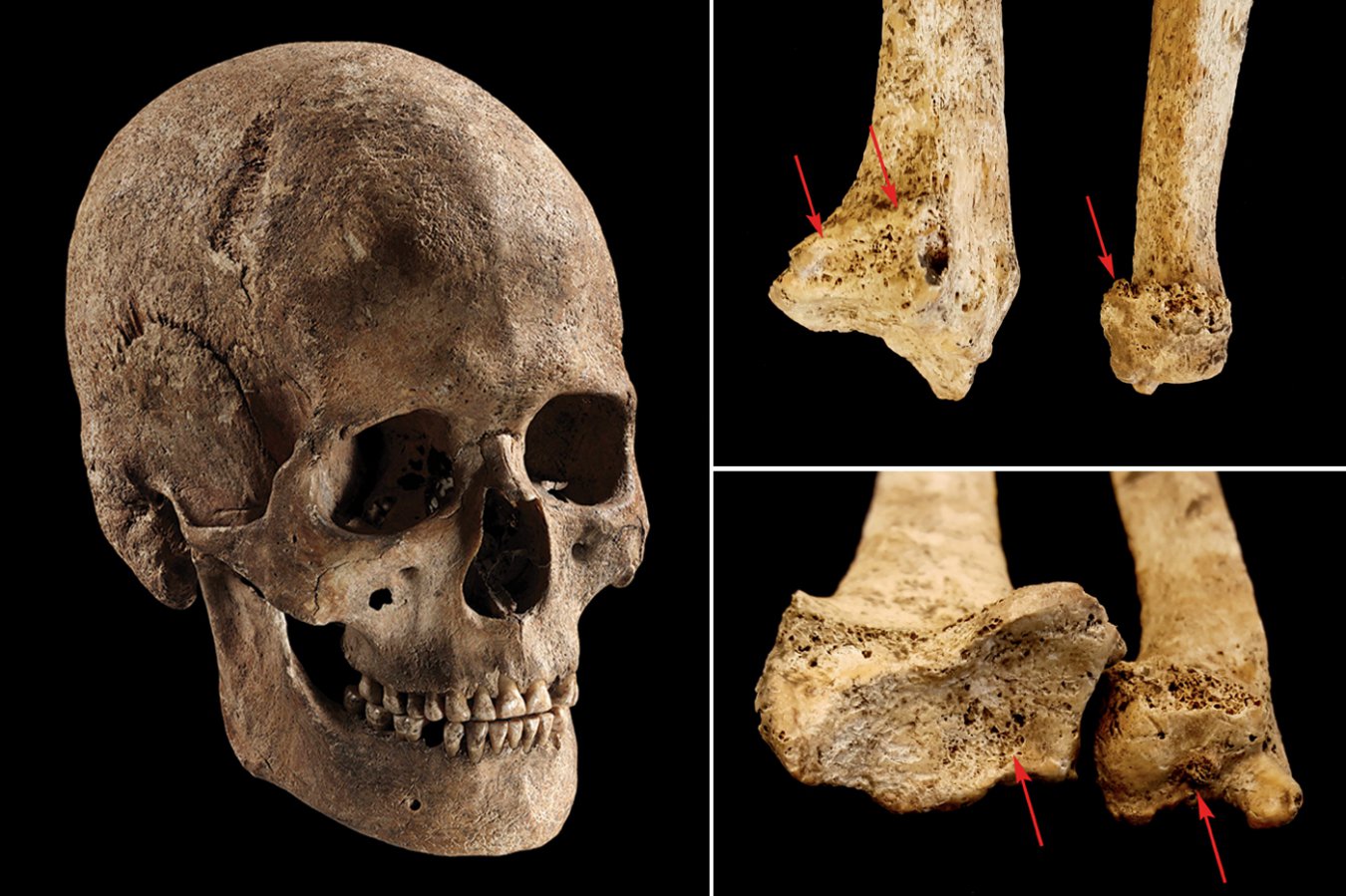
Archaeologists have uncovered a rare witness to the Neolithic revolution in Denmark, with the discovery of a well-preserved skeleton nicknamed "Rødhals Man." The individual lived during the period of significant technological change when Neolithic farmers arrived on the island, bringing agriculture and altering the lifestyle of indigenous foragers.
Analysis of Rødhals Man's diet, ancestry, and burial site reveals that he was a direct observer and potential participant in this major shift in human history. By consuming more terrestrial resources as he grew older, Rødhals Man adapted to the changing environment and the presence of incoming farmers, marking one of the first generations to live alongside the new way of life.
The findings offer valuable insights into the choices, opportunities, and challenges faced by Mesolithic hunter-gatherers during this critical period of human evolution.
Brief written by urgent.news from Phys.org's own syndicated text. Machine-written — may contain errors; check the original before relying on it.