Warming seas slash Ulleung's squid catch by 99% in 25 years
The squid catch around Ulleung Island has plummeted amid rising sea temperatures caused by climate change, highlighting how warming waters are reshaping Korea’s marine ecosystem and the coastal communities that depend on it. According to Ulleung County on Sunday, the local catch fell from 11,315 tons in 2000 to 1,852 tons in 2015 and 1,172 tons in 2020, before plunging to 141 tons in 2025. The…
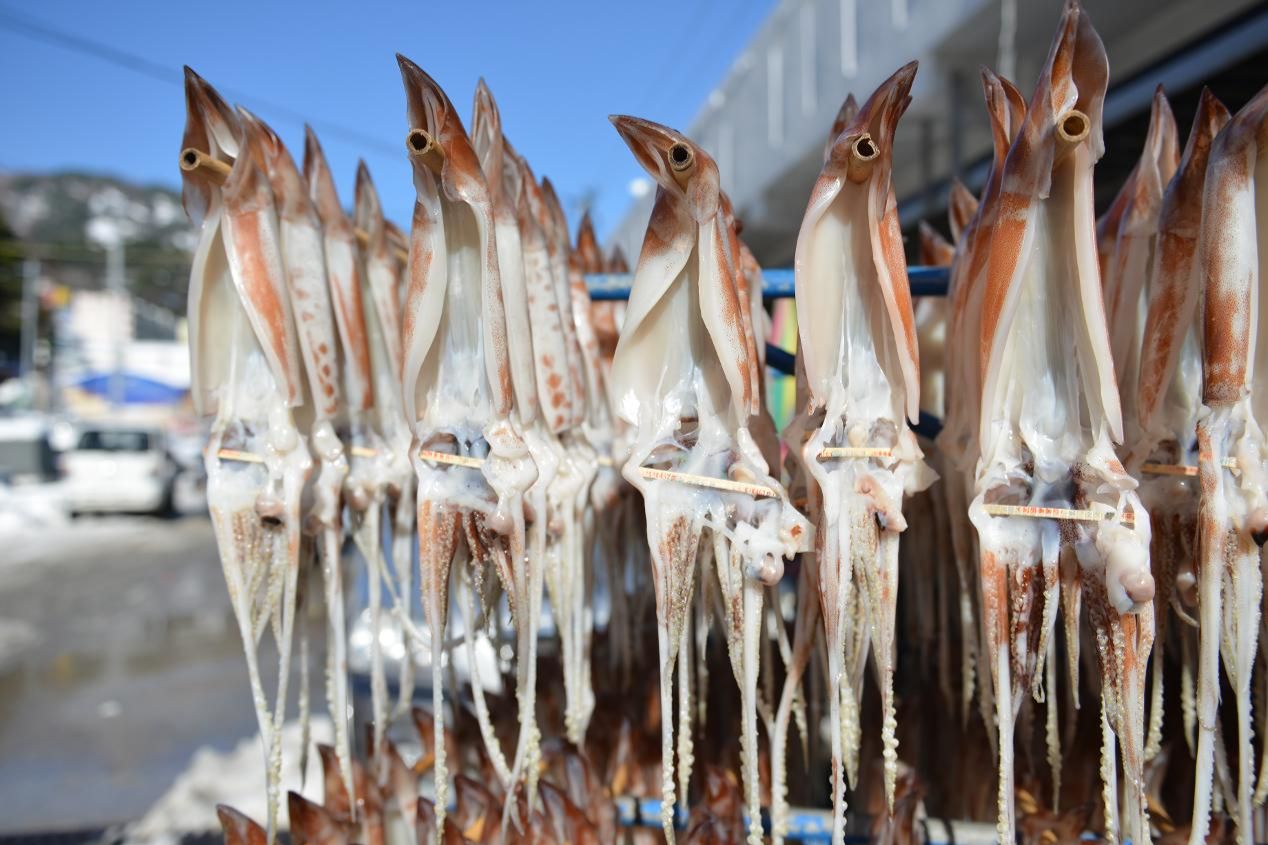
The once abundant squid catch around Ulleung Island has plummeted by 99 percent over the past 25 years, according to Ulleung County. In 2000, the local catch reached 11,315 tons, but by 2015, it had dropped to 1,852 tons and further declined to 1,172 tons in 2020. The most recent data shows a mere 141 tons caught in 2025, representing just 1.2 percent of the 2000 catch.
The decline continues into 2025, with only 54 tons caught from January to September this year. Squid, a signature seafood of Ulleung Island in North Gyeongsang Province, has long been a cornerstone of its economy. The dramatic decline can be attributed to rising sea temperatures, which have altered the marine food chain, pushing squid out of Korean waters.
Scientists at the National Institute of Fisheries Science (NIFS) suggest that squid, which would typically thrive off Korea's coast, have been forced to migrate north towards Russia and other regions due to the warming waters of the southern East Sea. The average sea surface temperature around the Korean Peninsula has been on the rise, contributing to this significant shift in the marine ecosystem and its impact on coastal communities.
Written by urgent.news from The Korea Times's reporting — not their text. Machine-written — may contain errors; check the original before relying on it.
This story
This is one outlet's version. Read the fullest account.
- Warming seas slash Ulleung's squid catch by 99% in 25 years koreatimes.co.kr