The shock absorber: Why volatility reinforces the case for hard assets
Geopolitical tensions, inflation worries, and uncertainty over U.S. interest rates are boosting the case for investing in commodities, according to UBS. The bank sees opportunities in oil, gold, and copper as market volatility highlights the diversification benefits these hard assets provide compared to equities and bonds. UBS specifically points to uncertainty surrounding the Iran conflict and Federal Reserve policy as investors reevaluate geopolitical risks and interest-rate expectations.
Brent crude oil recently dropped to $89.19 per barrel, its lowest level in two months, following positive signals from Washington about potential talks with Tehran. However, prices bounced back to $94.70 after Iran rejected the negotiations and further tanker attacks occurred in the Strait of Hormuz. UBS forecasts Brent to climb to $110 by year-end, driven by limited supply and ongoing shipping disruptions.
Global visible oil inventories at the end of September were 7.8 billion barrels, nearly 500 million barrels below pre-war February levels. High freight costs and a shortage of tankers are also contributing to higher crude prices. Gold stands as another attractive defensive asset, bolstered by central bank purchases and investment demand.
Central bank buying surged 42% year-over-year to 321 metric tons in the third quarter, according to World Gold Council data. Global gold holdings surpassed 4,250 metric tons after exchange-traded fund inflows of 211 metric tons pushed the figure up.
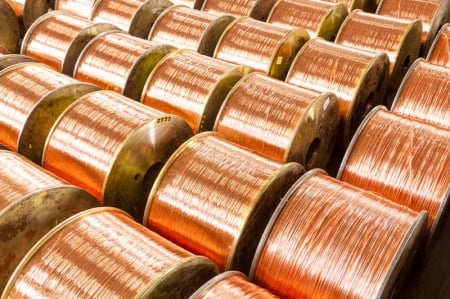
UBS recommends that underallocated investors consider increasing their gold exposure during price declines beneath $4,000. Copper remains the preferred industrial metal, with demand for electricity, artificial intelligence infrastructure, and limited mining output driving up its value. UBS favors diversified exposure across energy, precious metals, industrial metals, and agriculture, allowing portfolios to adapt to changing market conditions.
Written by urgent.news from Investing.com's reporting — not their text. Machine-written — may contain errors; check the original before relying on it.