MP slams Finance Ministry’s move to allocate Egyptian state lands to reduce public debt
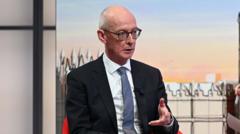
A member of the Egyptian Parliament’s Economic Affairs Committee and economist Mohamed Fouad on Saturday criticized the practice of allocating state-owned land for the purpose of reducing public debt. Speaking with TV host Amr Adib on the “al-Hekaya,” (The Story) show, the MP remarked: “The issue isn’t just whether the land is being sold or … The post MP slams Finance Ministry’s move to allocate…
Egyptian Member of Parliament Mohamed Fouad has expressed strong criticism towards the Finance Ministry's decision to allocate state-owned land in a bid to alleviate public debt. Speaking on the "al-Hekaya" show, Fouad highlighted that the critical factor is not merely the sale of the land, but the economic consequences of this action. He questioned whether this move is merely a temporary solution or if it effectively tackles the root of the problem.
The allocation in question involves 112 million square meters of Red Sea land, a region previously targeted in the Ras Shuqair land allocation. Fouad pointed out that this similarity to the Ras Shuqair case suggests a lack of clear objectives regarding the outcomes of these previous endeavors. In June 2025, the Presidential decree allocated 174 million square meters of land in the Ras Shuqair area for the Finance Ministry with the aim of reducing public debt and facilitating the issuance of sovereign "Sukuk" (Islamic bonds).
However, he noted that 17 months have passed since this allocation with no operational plan or framework in place to guide its utilization.
Fouad questioned the current status of the previously allocated land in Ras Shuqair, along with the plans for its use and the economic returns anticipated from these projects. He demanded accountability from the government and the relevant minister regarding how these lands are managed, developed, and the projected economic benefits.
Fouad is also seeking detailed information about the funds generated from these lands and the intended recipients of the revenue, especially given that some of the land has not yet become operational. He raised the question of whether these repayments for sovereign "Sukuk" bonds would be funded solely by investment returns from the land or by the state's general public coffers.
Fouad emphasized that his objection is not to the use of state assets or the nature of the financial transactions but to the necessity of determining the economic returns that these land allocations will generate. He specifically pointed to previous deals on the Red Sea coast, such as Ras el-Hekma and Alam al-Roum, and other similar arrangements, urging for a shift towards operationalizing assets and creating revenue-generating projects to reduce the state's financial obligations in the long run.
Written by urgent.news from Egypt Independent's reporting — not their text. Machine-written — may contain errors; check the original before relying on it.