Kedah padi water crisis exposes decades-old irrigation weaknesses, say experts [WATCH]
KUALA LUMPUR: Recurring water shortages in Malaysia’s main rice-growing region expose longstanding weaknesses in its irrigation system, with experts warning that El Niño alone cannot explain the crisis.
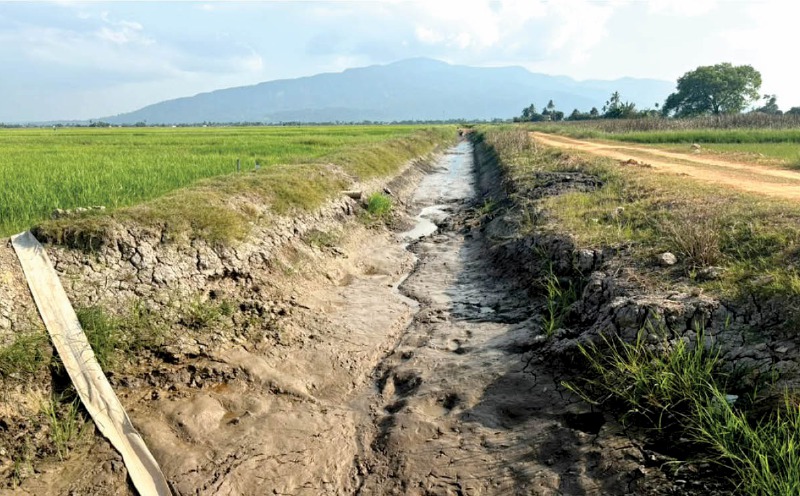
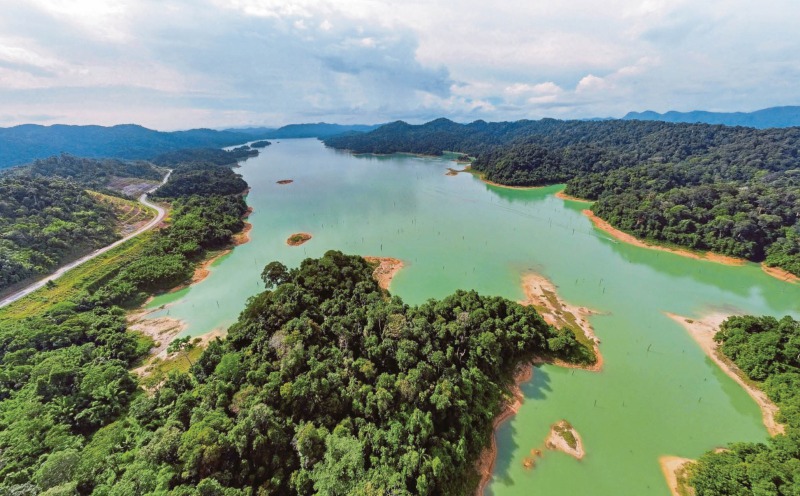
Kedah, Malaysia's primary rice-producing area, is experiencing severe water shortages, exposing deep-rooted issues within its irrigation infrastructure, according to experts. These challenges cannot be attributed solely to El Niño, which is expected to develop between June and August and will further exacerbate the situation. Chong Kai Lin, a water resources expert from Universiti Utara Malaysia (UUM), noted that reservoir storage at Pedu Dam had decreased significantly prior to the anticipated El Niño.
As of March, the storage level stood at 39.89 percent, despite La Niña conditions in February, typically associated with increased rainfall.
Chong pointed out that historical data reveals recurring shortages, with Pedu Dam's storage falling to 33.84 percent in October 2016 and 33.21 percent in August 2024. She emphasized that declining rainfall is just one factor, as the reservoir levels are also influenced by water releases, irrigation demand, evaporation, and other losses. Between June 18 and September 17 alone, storage dropped by approximately 67 million cubic meters to 36.99 percent.
Chong called for a comprehensive audit to monitor inflows, releases, and losses, cautioning against relying on cloud seeding due to the uncertainty of rainfall reaching targeted dam catchments. Dr Bakri Mat, a food security expert from UUM, attributed the crisis to decades of escalating irrigation demand, particularly following the widespread adoption of double cropping.
This expansion has placed significant strain on the system, with reservoirs often reaching full capacity before 1975, even as double cropping expanded beyond 90 percent of the Muda irrigation area.
Dr Bakri highlighted that while the combination of rising demand and erratic rainfall due to phenomena like El Niño highlights the vulnerabilities of the irrigation system, the authorities must take a holistic approach by examining the entire water chain, from reservoirs to farm drainage and field-level management. He suggested recycling surplus water between padi fields, enhancing canal management, and employing digital monitoring systems to mitigate reliance on reservoir supplies.
Dr Bakri warned that persistent planting disruptions could force smallholders to reduce cultivation or abandon fields, threatening rice production and potentially undermining Malaysia's rice self-sufficiency, food price stability, and national food security.
Written by urgent.news from New Straits Times's reporting — not their text. Machine-written — may contain errors; check the original before relying on it.