It’s Getting Too Dry for Even Cactuses to Survive
As droughts worsen due to climate change, new research shows that hundreds of cactus species could lose the majority of their habitats by 2100.
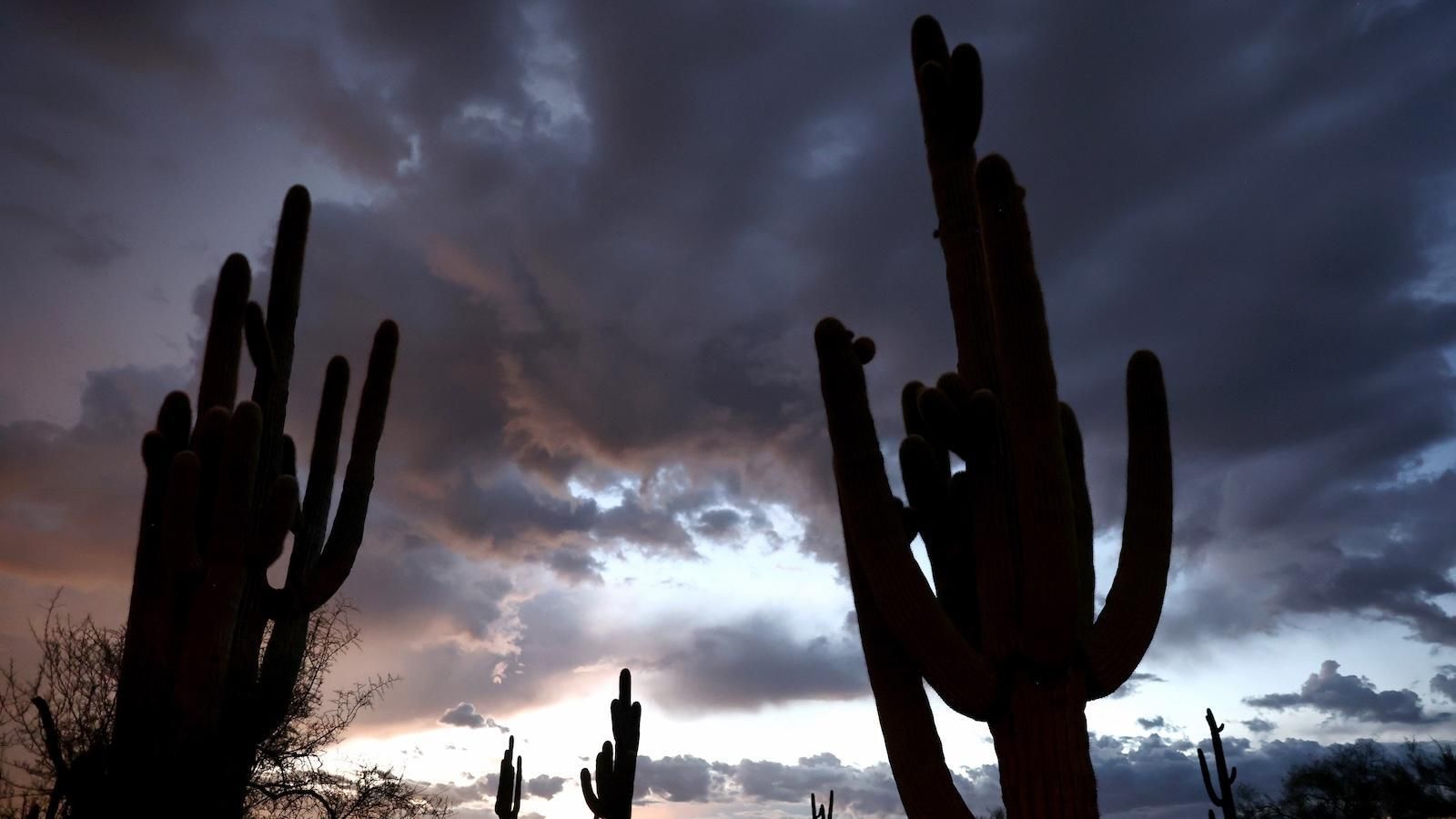
Recent research published in Nature reveals that cacti are facing a dire threat due to worsening drought conditions, habitat loss, and poaching. A study led by Michiel Pillet, a conservation ecologist at the University of South Florida, models the impact of rising temperatures and extreme dry spells on nearly 1,000 cactus species. The findings show that a majority of these species will lose their habitat by 2100, with over a quarter of them potentially losing 80% or more of their habitat by that time.
Pillet, who describes cacti as "amazing" but not fundamentally different from other plants, emphasizes that these desert dwellers need water just like any other organism. In the deserts of the southwestern United States, for instance, cacti rely on seasonal monsoon rains, with July or August typically being the wettest months. Their survival depends on their ability to retain rainwater through waxy skin, an adaptation evolved under specific conditions. However, when faced with extreme droughts and altered water availability, their resilience wanes.
The researchers turned to citizen science platform iNaturalist, which recorded 650,000 observations of cacti in the wild. This data provided valuable insights into how species might be faring under changing climate conditions. Rather than simply projecting these threats forward, the study delved into the temporally complex effects of drought on cacti.
Contrary to the perception of these plants as extremely drought-adapted, researchers found that cacti suffer from sublethal effects of drought, such as reduced growth, increased mortality, or impaired flowering. This means that even without outright death, cacti may experience reduced reproductive success, leading to shrinking populations.
In the Sonoran Desert, the iconic saguaro cactus, for example, is reproducing less frequently during prolonged droughts as it fails to flower. This fragile ecosystem, while appearing tough on the surface, is highly sensitive to disturbances and degradation. It may take multiple decades for such ecosystems to recover, if at all. Now, drought is compounded with other stressors, like habitat loss and poaching, pushing cactus species towards extinction.
Moreover, rising sea levels pose a threat as they can lead to the local extinction of species like the Key Largo tree cactus in Florida, which thrives in specific water regimes. High nighttime temperatures hinder cacti's ability to respiration and avoid water loss, while excessive watering can lead to rot. However, some cactus species might persist by relocating to areas with climates more favorable to their adaptations.
This migration could be observed in the Arctic, where some plants are moving northward in search of more suitable conditions.
The purpose of this research is to inform conservation efforts. While governments cannot prevent droughts, they can aid cacti populations by relocating them to botanical gardens and, in some cases, reintroducing them to the wild once conditions become more favorable. Governments must also protect the lands where cacti are threatened, ensuring their survival in an increasingly hostile climate.
Written by urgent.news from Wired Science's reporting — not their text. Machine-written — may contain errors; check the original before relying on it.