El Niño: West African governments urged to prepare for food and health threats
West African governments have been urged to strengthen preparations for the potential impacts of the 2026–2027 El Niño event, amid concerns that changing rainfall patterns and rising temperatures could put food production, water supplies and public health under pressure. Climate and public-health specialists say delayed rainfall and prolonged dry spells could disrupt farming activities,…
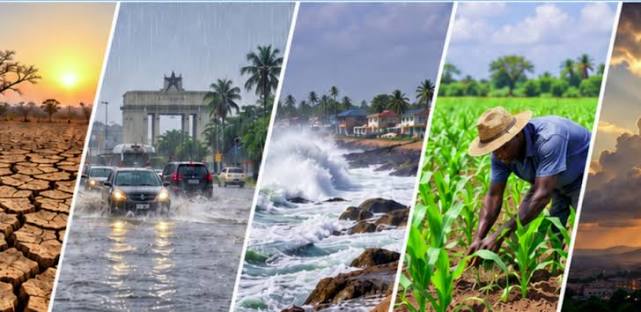
Governments in West Africa have been urged to prepare for the potential impacts of the 2026-2027 El Niño event, which could pose significant threats to food production, water supplies, and public health. Climate and health experts warn that delayed rainfall and prolonged dry spells could disrupt farming activities, particularly for farmers relying on rain-fed agriculture and lacking access to irrigation.
Dr Caleb Mensah, a climate scientist, noted that the time between the first and second rainfall events could extend to two or three weeks, potentially affecting crop establishment. Farmers may struggle to achieve normal production levels if rainfall is insufficient or delayed due to high temperatures. Access to drought-resistant seeds remains a concern, as agricultural research institutions have developed varieties but limited access could hinder farmers' ability to benefit from them.
Dr Mensah also raised concerns about agricultural pests thriving under high-temperature and low-water conditions. The El Niño event could also affect water resources and electricity generation, with lower rainfall impacting hydrological systems and hydroelectric power production, particularly in Ghana. Health specialists warn that the event could place additional demands on already vulnerable health systems, posing potential health concerns such as heat-related illnesses, malnutrition, waterborne diseases, and injuries from floods and landslides.
The WHO has classified the event as a high-level emergency, urging countries to take appropriate preparedness measures such as strengthening food reserves, improving food storage, and ensuring essential health services remain operational. Meningitis surveillance is also highlighted as a priority in countries within Africa's meningitis belt.
Written by urgent.news from Adom Online's reporting — not their text. Machine-written — may contain errors; check the original before relying on it.
This story
This is one outlet's version. Read the fullest account.