El Niño: West African governments urged to prepare for food and health threats
Experts warn that delayed rainfall, prolonged dry spells and rising temperatures could threaten harvests, water supplies and public health across the region in 2026–2027.
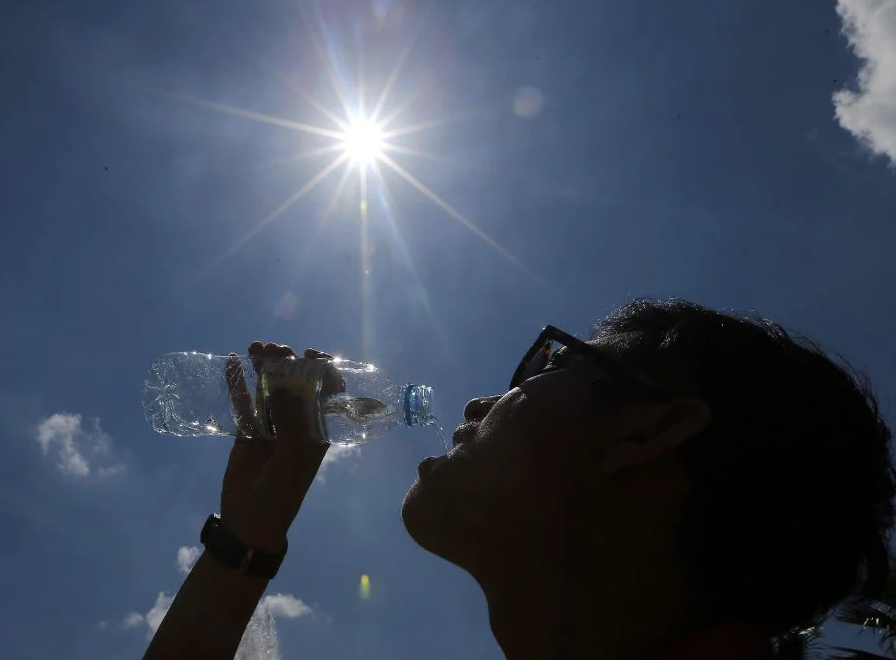
Governments in West Africa are being urged to bolster preparations for the forthcoming El Niño event, which is expected to impact food production, water supplies and public health. Climate experts warn that delayed rainfall and prolonged dry spells could disrupt farming activities, particularly for rain-fed agriculture-dependent farmers with limited irrigation access.
Dr Caleb Mensah, a climate scientist, highlighted that extended intervals between rainfall events could hinder crop establishment and reduce yields. Farmers may struggle to achieve normal production levels if rainfall is insufficient and temperatures remain high. Access to drought-resistant seeds also remains a concern, as the CSIR has developed such varieties but questions persist about farmers' ability to obtain them.
Agricultural experts stress the need for appropriate pest control measures due to the potential proliferation of termites, army ants and other insects under high-temperature, low-water conditions. The reduced rainfall could also affect water resources and electricity generation, as lower inflows into water systems may impact hydroelectricity production in countries like Ghana.
Health specialists warn that El Niño could exacerbate existing health vulnerabilities, with potential concerns including heat-related illnesses, malnutrition, waterborne diseases, and vector-borne diseases. Floods and landslides could lead to injuries, fatalities, damage to health facilities, and disruptions to healthcare access.
The World Health Organization (WHO) has classified the event as the highest level of emergency preparedness, urging countries to bolster early-warning systems, food reserves, and emergency health preparedness. Health experts also emphasize the importance of effective meningitis surveillance and prompt medical attention for symptoms, particularly in countries within Africa's meningitis belt.
Written by urgent.news from MyJoyOnline Ghana's reporting — not their text. Machine-written — may contain errors; check the original before relying on it.