Windows Media Center made the PC a DVR before streaming took over
And you can still go back to those days if you want
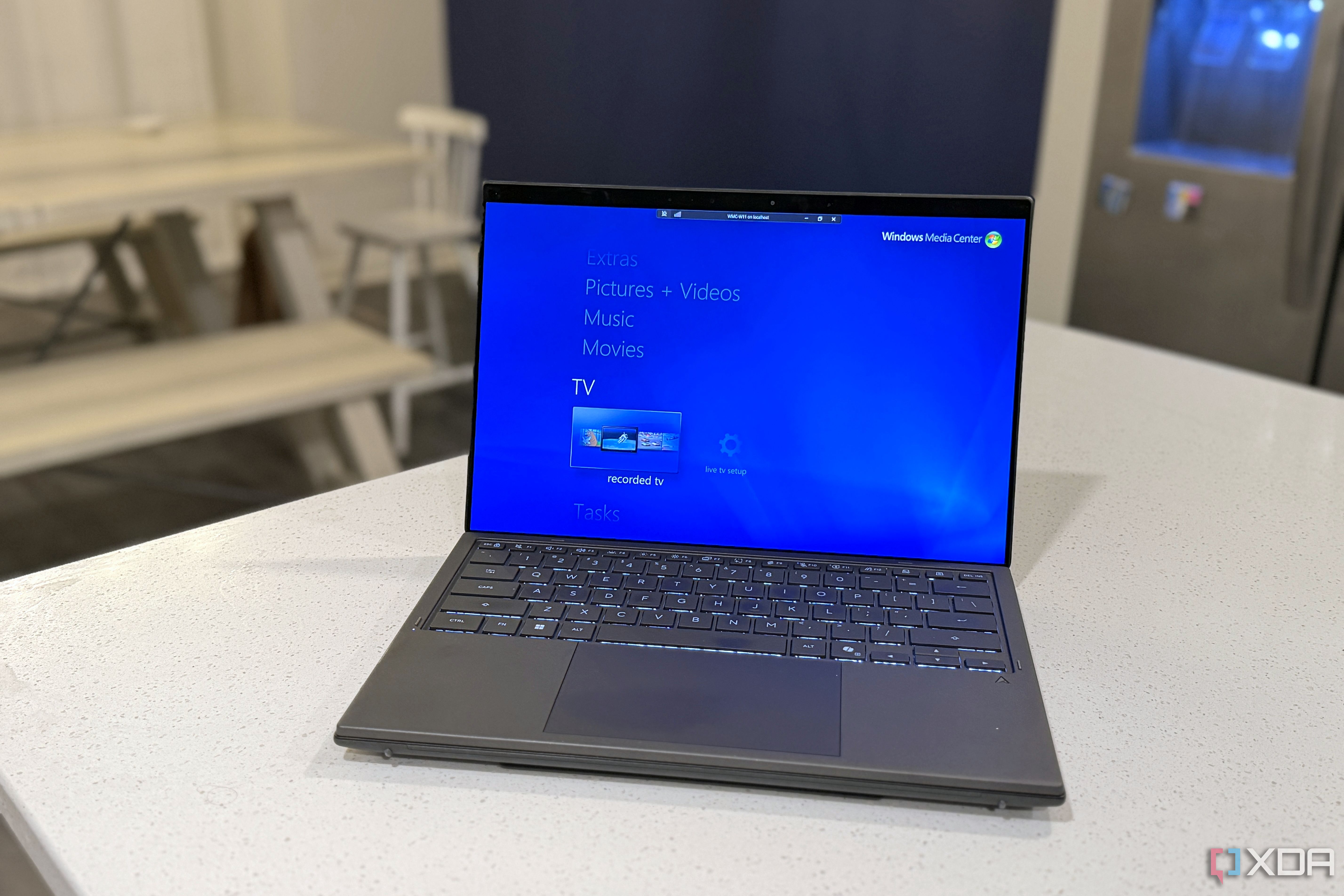
Microsoft developed Windows Media Center as a means to transform personal computers into digital video recorders (DVRs) even before streaming took over as the primary media consumption method. This was evident as early as the XP era, where it was initially sold as a standalone operating system for Media Center PCs, aiming to enable users to interact with their PCs in their living rooms.
Later, Windows Vista and Windows 7 included it by default, while Windows 8 later made it an optional paid add-on. The core appeal of Windows Media Center lay in its ability to provide a unified dashboard for self-hosted media and over-the-air (OTA) TV broadcasts without the need for a cable subscription. This was achieved through free TV guide data, which allowed users to pre-record their favorite shows without needing to set up a VCR.
While the only affordable way to get free guide data nowadays is via an HDHomeRun device, Windows Media Center once stood as a viable alternative to TiVo, which was expensive in both hardware and guide data subscriptions. Windows Media Center facilitated the creation of a personal media library, incorporating content from OTA programming and cable cards.
However, this was not a straightforward process and involved significant technical hurdles. Despite the emergence of modern self-hosting solutions such as Plex, XBMC, or Jellyfin, they do not offer the same level of cohesion and user-friendliness as Windows Media Center. First introduced in 2005, Windows Media Center offered the unique advantage of streaming DVR recordings to an Xbox 360, a feature that preceded the launch of whole-house DVR services offered by major cable providers.
This was a significant step ahead of its time, even though it faced challenges such as cable card support and third-party device availability. In 2011, Microsoft discontinued Windows Media Center as a standalone product due to declining usage. It was integrated into Windows 8 as a paid add-on and eventually removed from Windows 10.
The discontinuation of Windows Media Center was largely due to its declining user base and the rise of on-demand streaming services, which diminished the need for traditional DVR functionalities. In addition, the guide data source transitioned from Zap2it to Rovi in 2011, causing significant accuracy issues, and the service was ultimately shut down in early 2020.
Modern users who wish to utilize Windows Media Center must rely on community projects and third-party guide data services, which can be cumbersome and costly. Despite these challenges, for those who value the convenience of a single dashboard for managing all their media, Windows Media Center remains a compelling option, albeit one that requires additional effort and resources to maintain.
Written by urgent.news from XDA Developers's reporting — not their text. Machine-written — may contain errors; check the original before relying on it.