No Pilots. Few Air Traffic Controllers. What Could Go Wrong?
Normally, aviation is slow to embrace new technology—but AI has come for the skies.
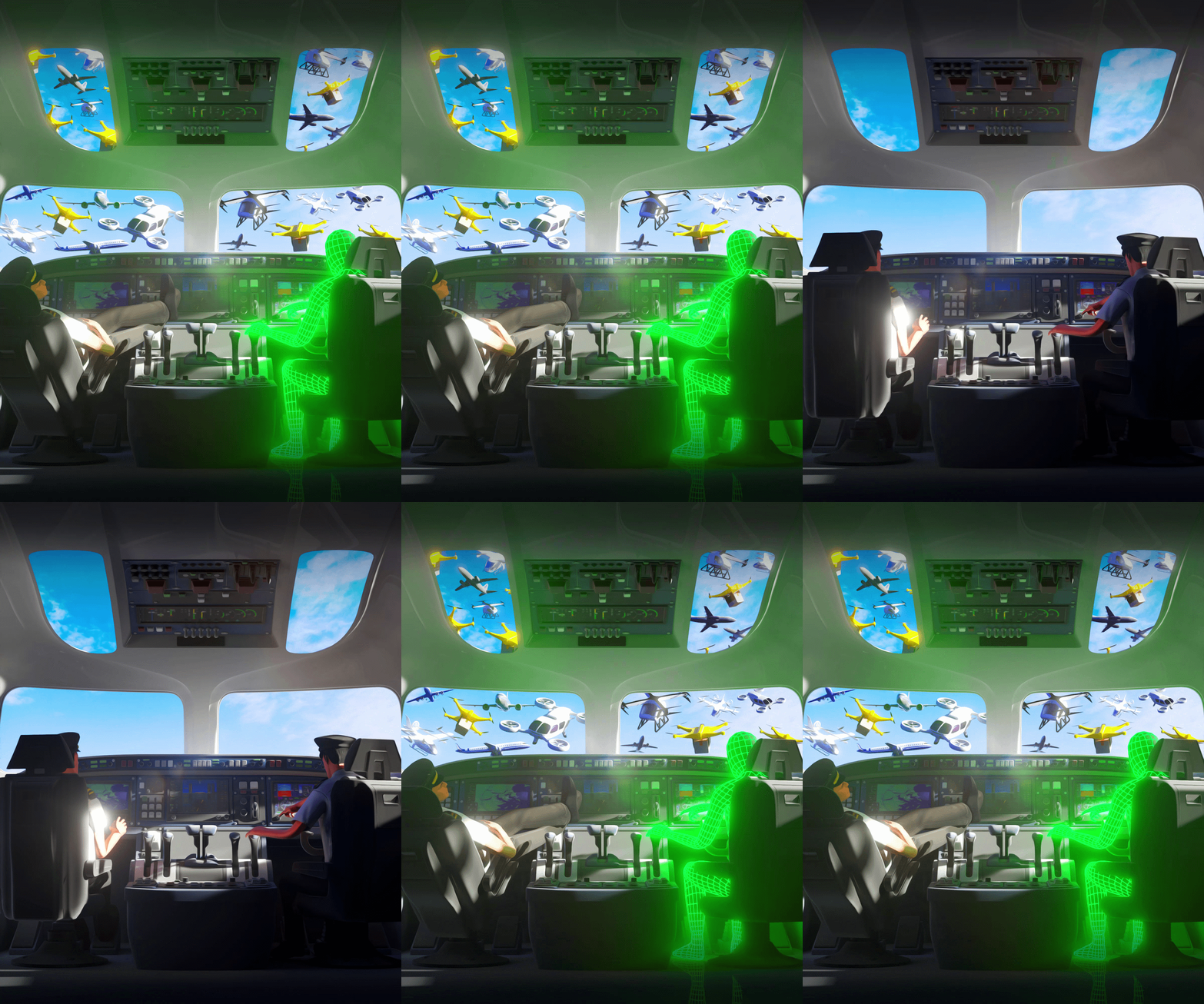
The AI aviation revolution has taken hold, with companies like Joby Aviation demonstrating a single-engine turboprop plane, the Cessna Caravan, completing a 3,200-mile, pilotless journey across the United States in September. This test flight, which involved navigating busy airspace and avoiding storms, marked a significant milestone in aviation history.
Yet, despite the advancements, some remain skeptical of relying on this technology, citing concerns over reliability and safety. The federal government's NextGen project, mandated in 2007, aimed to modernize the air travel system, including the introduction of ADS-B in 2007 for real-time aircraft tracking. This digital transformation opened the door to drone delivery services, with Google's Project Wing delivering goods in Australia in 2018 and Amazon and Walmart planning extensive drone delivery networks in the United States.
Nevertheless, significant challenges remain, such as designing an airspace for autonomous vehicles, training staff, and developing economic models for the new industry. Despite these hurdles, AI continues to push the boundaries of aviation, with Amazon and Walmart expanding drone delivery services and companies like Joby Aviation pursuing electric vertical takeoff and landing aircraft.
The future of air travel may be increasingly unmanned, but the question remains: Are we ready to embrace this new era of autonomous skies?
Written by urgent.news from Wired Business's reporting — not their text. Machine-written — may contain errors; check the original before relying on it.
This story
This is one outlet's version. Read the fullest account.