No Pilots. Few Air Traffic Controllers. What Could Go Wrong?
Normally, aviation is slow to embrace new technology—but AI has come for the skies.
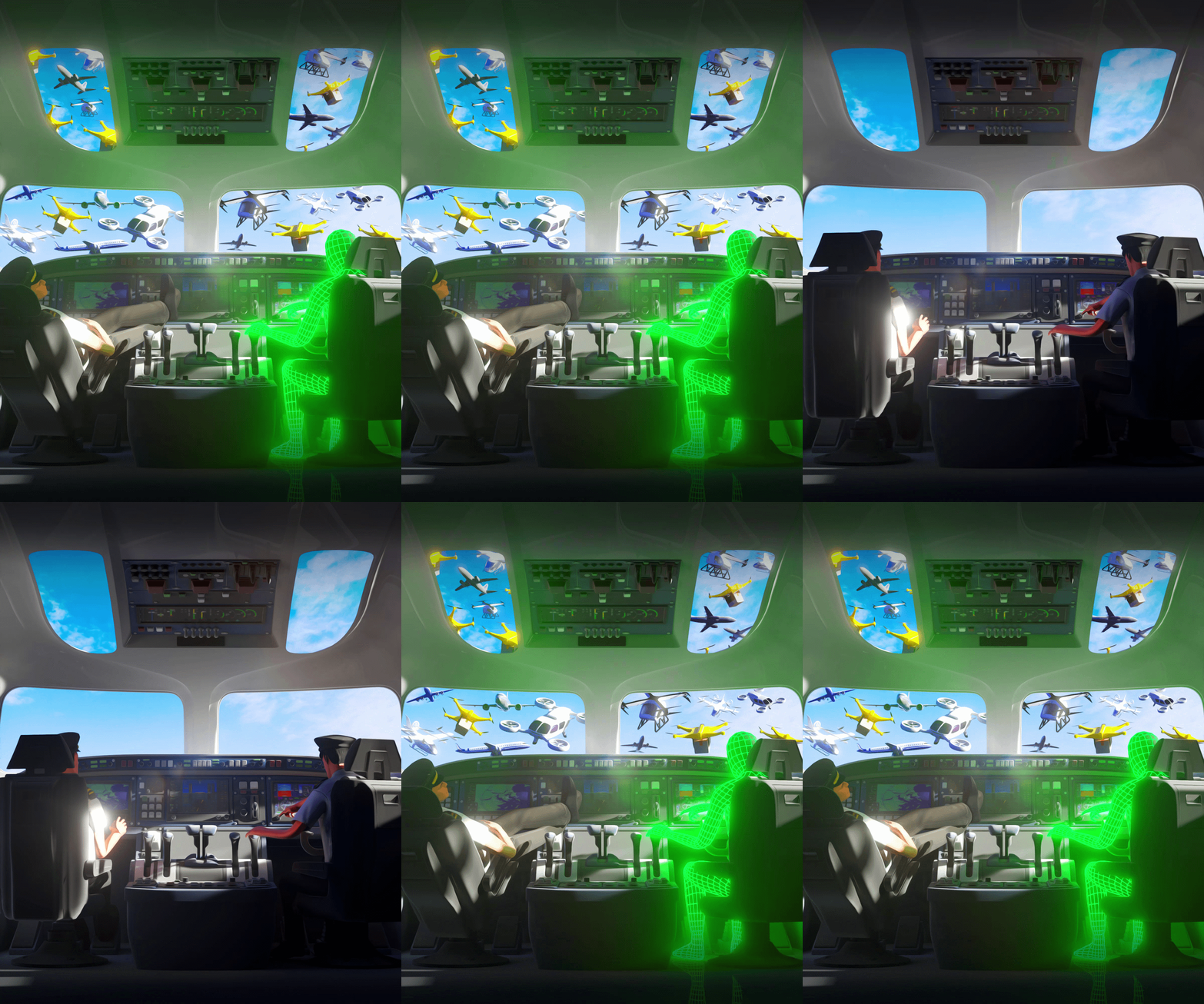
Joby Aviation recently demonstrated a remarkable feat in aviation: a pilotless Cessna Caravan flight from California to North Carolina. This 3,200-mile journey, which included stops in Phoenix and South Carolina, showcased the growing reliance on AI in the air travel industry. A safety pilot was on board, but never needed to intervene. The experiment marked a significant milestone in aviation as the industry has traditionally been cautious with new technology.
AI is rapidly transforming aviation, a shift that could reshape air travel economics and redefine how people and goods move in the sky. However, concerns linger over the reliability and safety of this new technology. Retired FAA employees warn of potential disasters, likening the introduction of AI systems to "opening Pandora's box."
The Next Generation Air Transportation System (NextGen), mandated by the federal government in 2007, aimed to modernize the air travel system by 2020. This included requiring aircraft to be equipped with ADS-B, a system that constantly transmits radio signals about location and intended routes. This technological progress paved the way for drone delivery services, with companies like Amazon and Walmart exploring the concept.
Project Wing, a drone delivery initiative by Google, was launched in 2014, delivering goods to homes in Canberra, Australia. The service expanded to Virginia in 2015.
Simultaneously, startups were developing electric vertical takeoff and landing aircraft (eVTOLs), or electric air taxis. These compact drones, capable of carrying a few passengers over short distances, have seen over 600 designs in development. Joby Aviation unveiled its S4 model in 2020, promising to carry four passengers 100 miles at speeds up to 200 mph. However, the path to commercial launch has been fraught with delays.
In Europe, AI's integration into aviation faces resistance. In 2017, Airbus and Dassault requested EASA, Europe's equivalent of the FAA, to allow single-pilot airliners. The idea of removing an independent safety professional from the cockpit was met with strong opposition from airline pilots, who feared reduced safety measures. EASA ultimately abandoned the plan.
Nonetheless, AI continues to advance. In 2023, the FAA began issuing waivers for delivery-drone flights beyond visual range, potentially making such rule permanent by the end of the year. Major players like Amazon and Walmart plan to expand their drone delivery services nationwide. Amazon aims to reach 500 locations by year-end, and Walmart intends to deploy drones at 270 store sites by 2027. The ultimate vision could see hundreds of thousands of drones delivering goods to millions of Americans.
Even eVTOL companies like Joby Aviation are making strides. In April, Joby executed the first eVTOL point-to-point flight within New York City, traveling from JFK Airport to Manhattan heliports. While progress may be slower than expected, the future of AI in aviation appears promising, with the potential to revolutionize air travel and transportation.
Written by urgent.news from Wired's reporting — not their text. Machine-written — may contain errors; check the original before relying on it.