VisionQuest’s identity crisis is also the MCU’s
The end of VisionQuest marks a (mostly) welcome breather from a sloppily executed TV experiment.
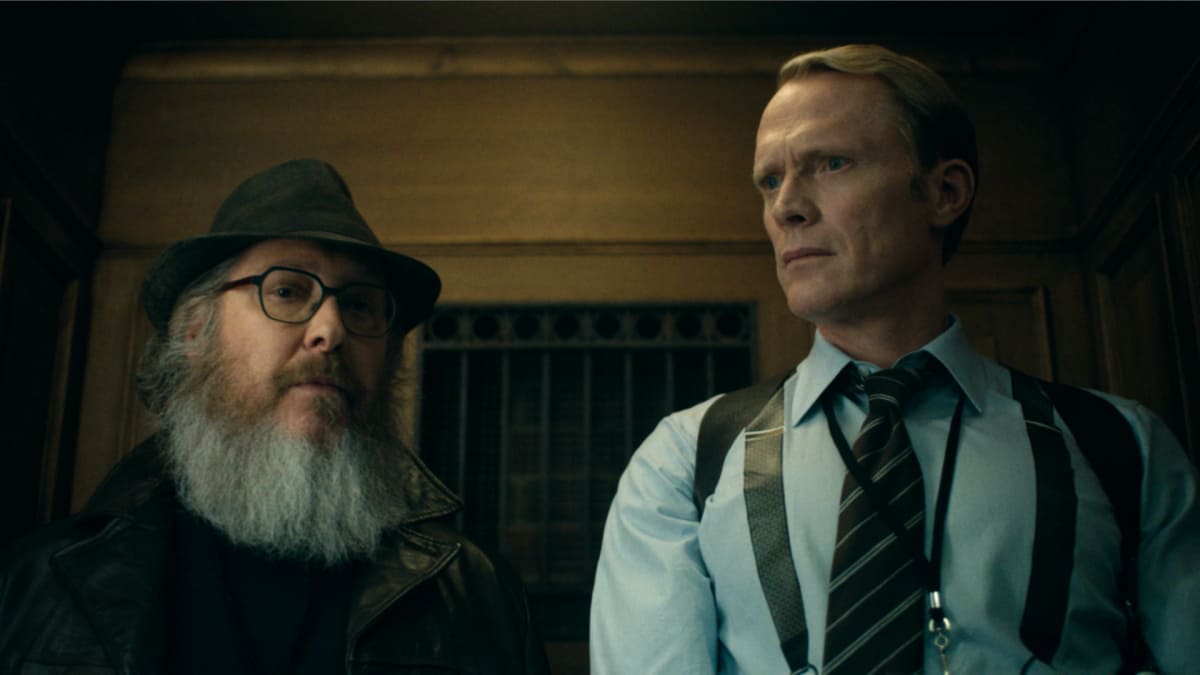
In the series VisionQuest, the synthezoid Vision grapples with the question of his identity, having taken on various forms over the course of the eight episodes. This internal struggle reflects the Marvel Cinematic Universe (MCU) as a whole, which has experienced its own identity crisis over the nearly two decades since its launch with Iron Man in 2008.
The MCU has expanded exponentially, with 14 live-action shows released across five years, attempting to bolster the success of its blockbuster movies. Unfortunately, the sheer volume of content proved to be overwhelming for both the audience and the creators.
The first season of WandaVision introduced a unique experiment in character-driven shows, inspired by genres that Marvel had not explored on the big screen. However, the novelty quickly faded, with most shows failing to maintain audience interest due to the sheer number of projects and the difficulty in keeping track of the interconnected universe of shows and movies.
The limited success of WandaVision led to the spin-offs Agatha All Along and Vision Quest. VisionQuest, the final installment of the trilogy, seeks to provide a brief respite from the live-action dramas until the anticipated release of Avengers: Doomsday in 2028.
While the show delves into the complicated Maximoff family, the extensive backstories of AI characters throughout the MCU's history weigh the series down. Despite the lead performances of Paul Bettany and James Spader bringing new layers to their characters, the show ultimately suffers from a lack of focus. It attempts to be a standalone family drama, an emotional tale of coping with loss, and a techno-thriller, all at once.
The show's attempts at wit and visual aesthetics, reminiscent of WandaVision, are overshadowed by its struggle to maintain a clear identity.
Ultimately, VisionQuest's inability to forge its own distinct identity exemplifies the MCU's broader crisis. The series fails to make room for the development of new characters, such as Tommy, known as Speed, and leaves audiences uncertain about the fate of beloved characters like the Maximoff twins. This disconnection between the old and new guard highlights the MCU's struggle to balance continuity and innovation.
The show's failure to address these issues serves as a strategic misstep, underscoring how difficult it is for any of the shows to stand on their own. Ultimately, the overpromising and underdelivering of these shows have left a lasting impact on the franchise, with the lack of vision being the primary culprit.
Rewritten by urgent.news; may contain errors — check the original.
Source: avclub.com