Think you have good eyesight? Try counting the stars in the Pleiades tonight
Every November, I give myself a completely unscientific eyesight test using one of my favorite sights in the night sky — the Pleiades. How many stars can you see?
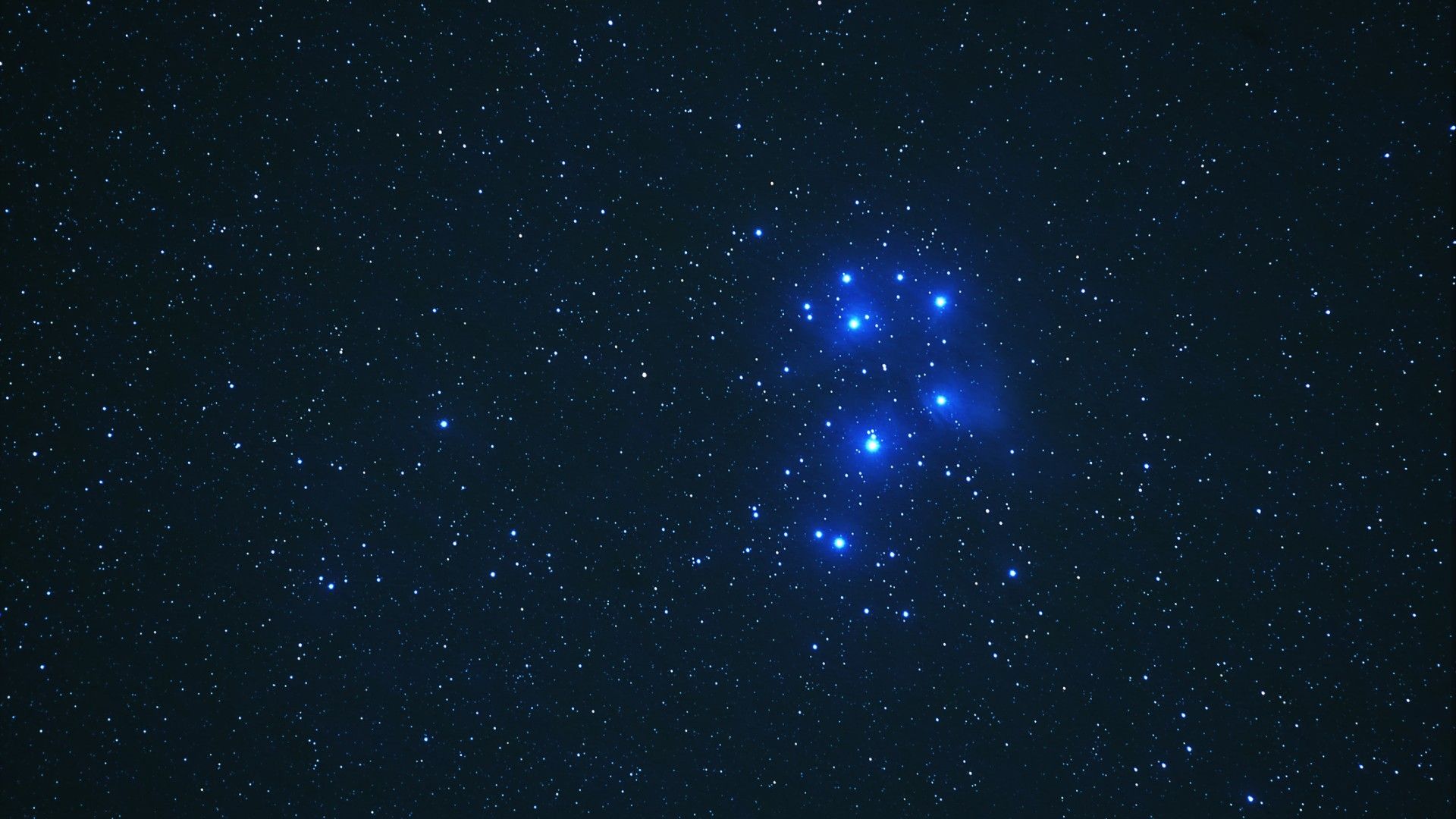
Every autumn, the author conducts an eyesight test involving the Pleiades, also known as Messier 45 or the Seven Sisters. This open star cluster is an open cluster in Taurus and consists of some of the youngest stars visible to the naked eye, just 100 million years old. The Pleiades are best seen in November when they rise in the east in the early evening and become higher in the sky throughout the night.
To perform the test, the observer should look for a tiny, compact group of stars east after dark. If familiar with Orion, the Pleiades will be above and to the right of it from mid-northern latitudes. Nearby, there are also the orange Aldebaran and the broader V-shaped Hyades cluster.
The Pleiades can change in visibility depending on the time spent outside. Under decent sky conditions, a naked-eye result under darker skies is usually six stars, while those with sharp eyesight may see more. In total, the cluster contains about 1,000 stars, but the number an individual can distinguish depends on their eyesight, sky brightness, atmospheric conditions, and how well their eyes have adapted to darkness.
Experienced stargazers recommend using the averted vision technique to increase the number of stars that can be seen. The observer can also use binoculars, which reveal a field filled with stars and change the character of the Pleiades.
Written by urgent.news from Space.com's reporting — not their text. Machine-written — may contain errors; check the original before relying on it.