八成研究人员称在野外工作期间遭遇过有害互动
一项最新调查显示,野外工作期间发生有害互动的情况十分普遍,而许多此类事件并未被正式上报。一项新调查为此指明了改进的方向。
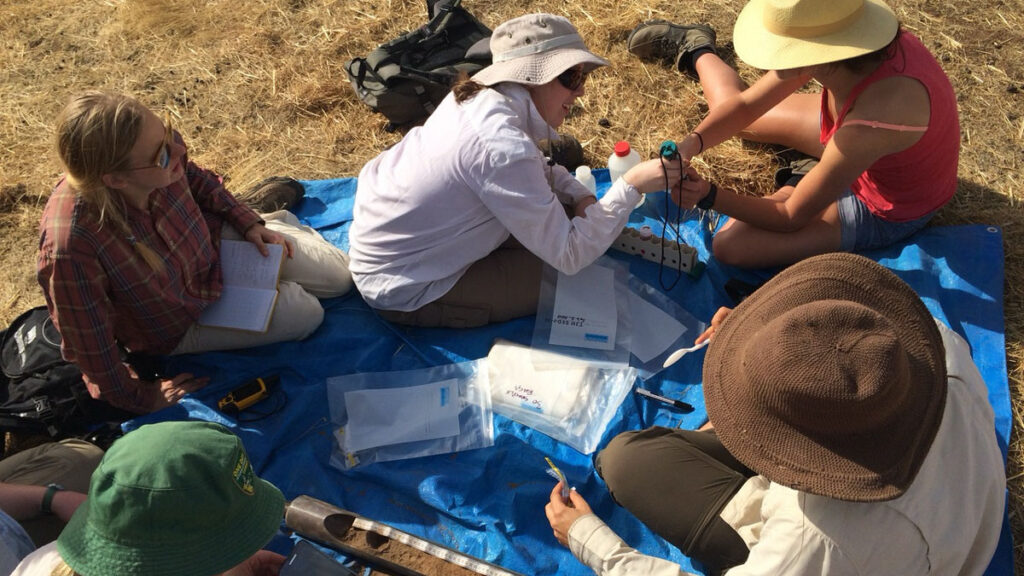
Eighty percent of researchers polled say they have experienced harmful interactions while conducting fieldwork in the field. Fieldwork is a crucial component of Earth science research, allowing scientists and students to observe, interact with, and collect data on Earth's natural processes, often directly in remote areas under harsh conditions.
The close living arrangements required for fieldwork can lead to boundary crossing and safety threats. Factors such as unequal power structures, limited access to remote locations, and long hours can increase the likelihood of harmful behaviors. The National Science Foundation (NSF) has established fieldwork safety guidelines, yet many Earth scientists report encountering various problematic behaviors, including bullying, discrimination, and sexual harassment.
A survey of 289 AGU members aimed to assess the frequency of harmful fieldwork interactions, the most significant types of impact, and why such incidents are often not reported. Participants were asked about their experiences of or witnessing harmful behaviors, which included aggressive and hostile actions, social harassment, impeded work, inappropriate sexual behavior, stereotypes, and privacy violations.
Specific instances were provided, such as personal experiences versus witnessing, relationship between perpetrator and victim, career stage, remoteness of the location, and whether the incident was reported. The results showed that 80% of respondents reported experiencing at least one harmful interaction during fieldwork, with an average of five incidents reported per participant.
While the survey highlighted harmful behaviors based on identity, such as inappropriate sexual behavior and stereotypes or biases, participants consistently identified workplace-related behaviors—such as gatekeeping, intentional destruction, and belittling others' work—as having the most significant negative impact. Women and non-binary researchers reported a higher incidence of issues related to devalued work, bullying, unwelcome sexual harassment, and privacy violations.
Career stage was also a factor influencing the experiences of participants, with early-career researchers more likely to encounter poor sleeping conditions or forced drinking. In remote fieldwork locations, more harmful behaviors such as forced participation in unsafe activities and bullying were reported. Seventy-five percent of the most severe cases were not reported, highlighting the need for improved safety and inclusion training, strict enforcement of behavioral codes, and the establishment of independent reporting channels to ensure Earth science fieldwork is safe, equitable, and ethical for all participants.
Written by urgent.news from Eos's reporting — not their text. Machine-written — may contain errors; check the original before relying on it.