Crystals Indicate Early Earth Was a “Sponge” for Oxygen
A new study suggests that oxygen from cyanobacteria changed Earth’s chemistry as far back as 3.4 billion years ago—far predating the Great Oxidation Event.
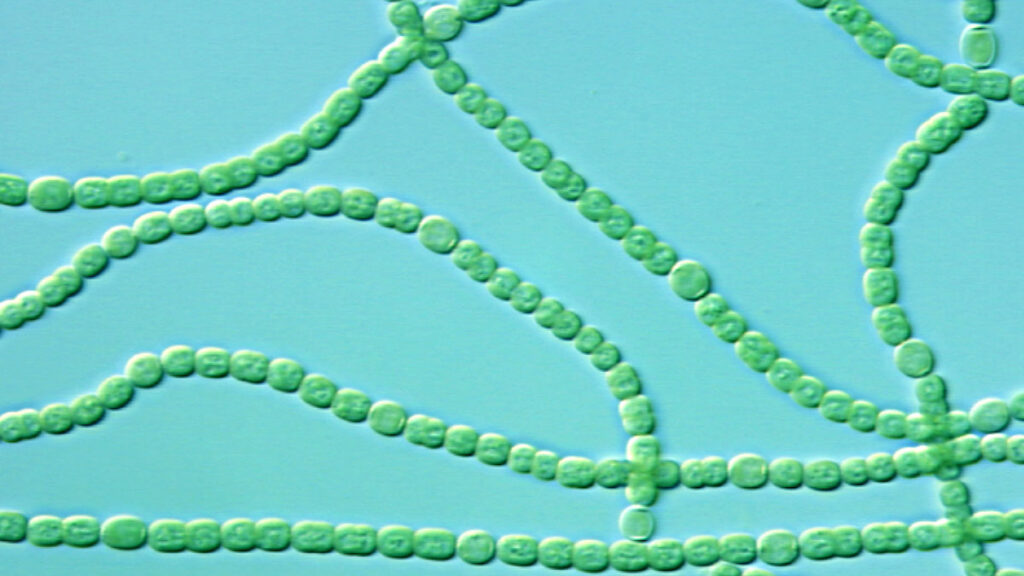
Scientists have discovered that ancient Earth acted like a geological sponge, absorbing oxygen produced by early bacteria for over a billion years before the Great Oxidation Event (GOE) around 2.3 billion years ago. This finding, published in Nature Geoscience, provides new insights into how oxygen levels on our planet evolved. Long before the GOE, which transformed Earth's oxygen-free atmosphere into a life-sustaining environment, bacteria were already generating small amounts of gaseous oxygen.
These oxygen traces were absorbed by geological processes in Earth's mantle, a significant discovery that challenges previous assumptions. University of Portsmouth geologist Hugo Moreira, who led the study, explained that while early Earth's mantle contained existing oxygen, the additional oxygen from cyanobacteria's photosynthesis had a profound impact.
The initial presence of oxygen in the atmosphere, though minimal, was crucial because oxygen was scarce in the environment. As surface rocks were subducted, similar to modern geological processes, the absorbed oxygen increased within the mantle. Moreira emphasized that examining apatite inclusions within zircon crystals in sanukitoid rocks offers a glimpse into Earth's oxygen evolution.
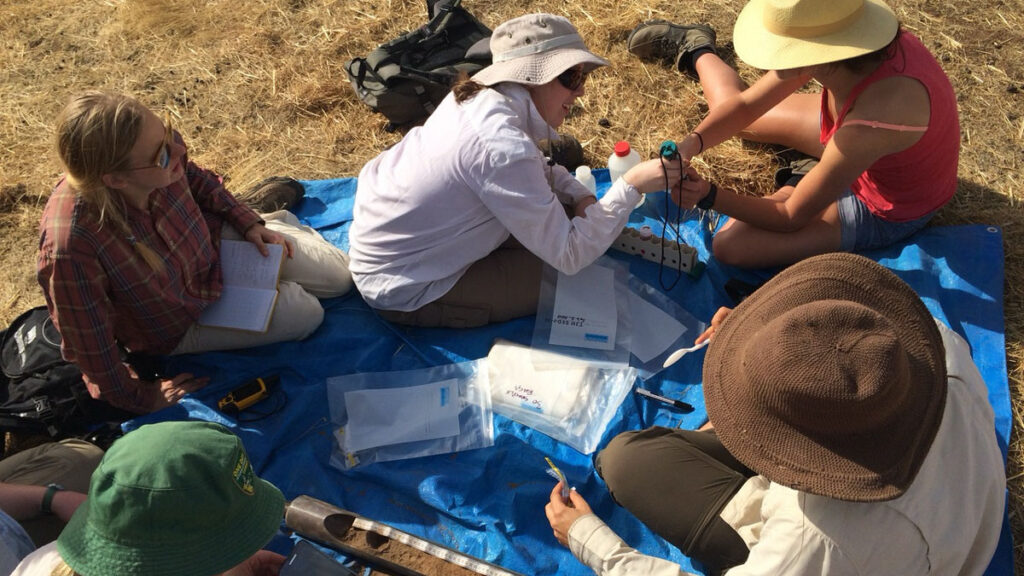
These zircon crystals, found in cratons, act as time capsules, allowing scientists to determine when the rocks formed. The study focused on subarc regions of the mantle, areas that were once beneath active volcanoes, as they would have been most influenced by surface oxidation. By analyzing these subarc regions, the researchers found a significant increase in mantle oxygen activity between 3.4 billion and 3 billion years ago, much earlier than previously thought.
Although the study's sample size of 14 rock samples and 72 zircon crystals is relatively small, it provides compelling evidence of early atmospheric oxygen absorption. Geologist Richard Palin from the University of Oxford praised the study's innovative approach, though he noted the limited sample size. Despite this limitation, the findings suggest that Earth's mantle began reacting to oxygen from cyanobacteria much earlier than once believed, highlighting the planet's complex geological history.
Written by urgent.news from Eos's reporting — not their text. Machine-written — may contain errors; check the original before relying on it.